
🔔 Subscribe to ShipUniverse Weekly →
Navigating the vast expanse of oceans, cargo ships are marvels of engineering and coordination. But like any extensive machinery, they are susceptible to wear and tear, technological obsolescence, and operational inefficiencies. Recognizing the early warning signs can prevent minor issues from evolving into major problems, ensuring safety, optimizing performance, and prolonging a ship’s lifespan. From structural challenges to outdated navigation systems, from interior wear to crew feedback, there are 10 key signs that indicate when it might be time for a crucial ship refit.
1. Structural Integrity Issues:
What is it?
The structural integrity of a ship refers to the strength and stability of its physical construction, primarily the hull and superstructure. Over time, constant exposure to saltwater, weather, and load stresses can degrade this integrity.
Signs of a Problem:
- Visible Rust: Rust isn’t just an aesthetic issue. When steel rusts, it loses strength, which compromises the ship’s durability.
- Corrosion: This is a natural process where metal deteriorates due to chemical reactions with the environment. It can lead to holes and weak points in a ship’s structure.
- Deformation: This refers to any noticeable changes in the shape or alignment of the ship’s structures. For instance, if a part of the ship’s hull appears bent or buckled, it’s a clear sign of damage.
Why is it Important?
If left unchecked, structural issues can lead to catastrophic failures, jeopardizing the safety of the crew, the cargo, and the environment.
2. Repeated Equipment Failures:
What is it?
Ships rely on various equipment for navigation, propulsion, cargo handling, and life support. Over time, this equipment can wear out or become outdated.
Signs of a Problem:
- Frequent Breakdowns: If a particular piece of machinery consistently malfunctions or requires repairs, it might be beyond its useful life.
- Ineffective Repairs: Sometimes, even after fixing a piece of equipment, the problems persist or new issues arise. This can indicate deeper, systemic problems.
Why is it Important?
Equipment failures can halt operations, delay shipments, and even pose safety risks. Consistently malfunctioning equipment is not just a financial drain but also a significant operational hazard.
3. Decreased Fuel Efficiency:
What is it?
Fuel efficiency is a measure of how effectively a ship can convert fuel into motion. The less efficient a ship is, the more fuel it consumes for the same distance or work.
Signs of a Problem:
- Increased Fuel Consumption: If a ship starts using more fuel for the same routes and cargo loads, it’s a sign of decreased efficiency.
- Slower Speeds: If engines aren’t converting fuel effectively, the ship might not reach its expected speeds.
Why is it Important?
Fuel is a significant expense for shipping operations. Decreased efficiency means increased operational costs. Furthermore, inefficient combustion can lead to higher emissions, which can be harmful to the environment and may violate international regulations.
Potential Solutions:
- Engine Overhaul: Engines can lose efficiency with wear and tear. A thorough inspection and possible overhaul can restore their performance.
- Hull Maintenance: The hull’s condition can affect drag in the water. Cleaning or adding a protective coating can reduce resistance, improving fuel efficiency.
4. Obsolete Navigation and Communication Systems:
What is it?
Navigation and communication systems guide a ship’s journey and ensure it remains in touch with other vessels and port authorities. As technology advances, older systems can become outdated, making them less effective and potentially unreliable.
Signs of a Problem:
- System Failures: Frequent malfunctions or difficulty in obtaining clear signals.
- Incompatibility: Newer systems on other ships or at ports may not interface well with older systems.
- Lack of Features: Modern systems come with features like real-time weather updates, collision avoidance, and satellite communication which may not be present in older models.
Why is it Important?
Reliable navigation and communication are critical for safe voyages. Outdated systems can lead to navigation errors, missed communications, or even collisions.
Potential Solutions:
- Upgrade Systems: Incorporate the latest navigation and communication technologies to ensure accurate and efficient operations.
- Regular Training: Ensure the crew is trained on any new systems, so they can make the most of modern features and maintain safety.
5. Safety Compliance:
What is it?
Shipping is governed by international and local regulations that dictate safety and operational standards. These standards can evolve over time based on new research, technologies, or after maritime incidents.
Signs of a Problem:
- Regular Inspections: Regular safety inspections might highlight areas where the ship doesn’t meet the latest standards.
- Incidents Onboard: Any accidents or near-misses can indicate potential non-compliance with safety standards.
Why is it Important?
Non-compliance can lead to penalties, delays, or even the detention of the ship. More crucially, it can put the crew, cargo, and environment at risk.
Potential Solutions:
- Regular Audits: Regularly audit the ship against the latest standards to ensure full compliance.
- Retrofitting: Make necessary modifications to the ship’s equipment or structure to meet the updated safety requirements.
6. Interior Wear and Tear:
What is it?
Just like any living space, the interiors of a ship – cabins, communal areas, and workspaces – can show signs of aging or damage over time.
Signs of a Problem:
- Visible Damage: Broken fixtures, torn upholstery, or damaged equipment.
- Complaints from Crew: If crew members raise concerns about living conditions or facilities.
Why is it Important?
A ship’s interior isn’t just about comfort; it’s about crew morale, health, and efficiency. Poor living conditions can affect the crew’s wellbeing and performance, leading to potential safety and operational issues.
Potential Solutions:
- Regular Maintenance: Routine checks and repairs of interior spaces can prevent minor issues from becoming significant problems.
- Refurbishment: In cases of severe wear and tear, consider a complete interior refit to modernize and improve living and working conditions.
7. Inefficient Cargo Handling Systems:
What is it?
Cargo handling systems are the tools and equipment used to load, secure, and unload cargo from a ship. As technology progresses and operational demands change, older systems can become outdated and inefficient.
Signs of a Problem:
- Slower Operations: If loading and unloading are taking longer than usual or longer than industry averages.
- Frequent Breakdowns: Malfunctions or required repairs during cargo operations.
- Difficulty Adapting: Challenges in handling newer or diverse types of cargo due to outdated equipment.
Why is it Important?
Efficient cargo handling ensures timely deliveries, maximizes port turnaround times, and directly impacts profitability. Delays can also strain relationships with port authorities and clients.
Potential Solutions:
- Equipment Upgrades: Investing in modern cargo handling equipment that can accommodate various cargo types and operate faster.
- Crew Training: Ensuring the crew is well-trained on the latest equipment can boost efficiency.
8. Poor Seaworthiness:
What is it?
Seaworthiness refers to a ship’s ability to safely navigate and withstand the conditions of the sea.
Signs of a Problem:
- Handling Difficulties: If the ship struggles to maintain its course in rough waters or during typical operations.
- Water Leaks: Frequent occurrences of water ingress, even in mild conditions.
- Listing or Tilting: The ship leans to one side when it shouldn’t, potentially indicating balance or ballast issues.
Why is it Important?
A ship’s primary function is to navigate waters safely. If its seaworthiness is compromised, it poses a significant risk to the crew, cargo, and environment.
Potential Solutions:
- Hull Inspections: Regularly inspecting the hull for damage or weak points.
- Stability Tests: Periodic tests to ensure the ship maintains balance under various conditions.
- Watertight Integrity Checks: Ensuring that all doors, hatches, and seals are functioning correctly.
9. Vibration and Noise:
What is it?
All ships will have some level of noise and vibration, but excessive or unusual patterns can indicate underlying problems.
Signs of a Problem:
- Unusual Sounds: Sounds that are not typical during operations, like grinding, banging, or high-pitched whines.
- Strong Vibrations: Especially if these vibrations are new or have increased over time.
Why is it Important?
Excessive noise and vibration can indicate mechanical issues, which, if left unaddressed, could lead to significant equipment failure. They can also impact the crew’s well-being and performance.
Potential Solutions:
- Machinery Inspection: Regularly inspect and maintain the ship’s machinery, including the propulsion system.
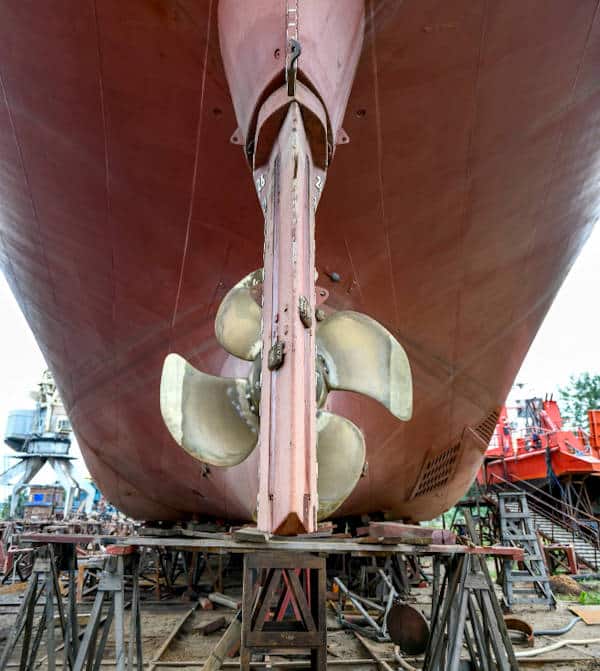
- Propeller Checks: Ensure the propeller is free from damage and correctly aligned.
- Structural Assessment: Examine the ship’s structure for any anomalies or damage that might be causing or amplifying vibrations.
10. Feedback from Crew
What is it?
The crew on a ship isn’t just responsible for its operation; they’re the eyes and ears on the ground, so to speak. Their hands-on experience and daily interactions with the ship’s systems give them a unique perspective on its condition and performance.
Signs of a Problem:
- Consistent Complaints: If the crew repeatedly raises issues about equipment malfunctions, accommodations, or ship handling, it’s not just a matter of morale—it’s an indicator of underlying issues.
- Performance Issues: A drop in operational efficiency, increased errors, or accidents can often be traced back to system problems or the need for better equipment, which the crew might have previously highlighted.
Why is it Important?
Ignoring feedback from the crew can lead to escalating problems, reduced operational efficiency, and even potential safety risks. Their firsthand experience offers actionable insights into areas that might need immediate attention or upgrades.
Potential Solutions:
- Open Communication Channels: Ensure there’s a system in place for the crew to provide feedback without repercussions. This encourages honest communication.
- Regular Review Meetings: Organize routine meetings where the crew can discuss any challenges they’re facing or areas of concern.
By staying vigilant about these warning signs and addressing them proactively, shipping companies can ensure their vessels remain seaworthy, efficient, and ready to meet the challenges of the open sea.