
SHIPUNIVERSE
Maritime Intelligence, Tools & Live Industry Radars

One place for live maritime intelligence, practical decision tools, industry events and focused reporting.

17Live Radars 300Maritime Tools
24/7Intelligence Focus
GlobalIndustry Coverage
RADARS
TOOLS
All Tools
Latest 20
Open to load latest items…
NEWS
All News
Latest 20
Open to load latest items…
REPORTS
All Reports
Latest 20
Open to load latest items…
TECH
All Tech
Latest 20
Open to load latest items…
CRUISE
All Cruise
Latest 20
Open to load latest items…
NAVAL
All Naval
Latest 20
Open to load latest items…
SHIPUNIVERSE REPORTING

Reports, news and industry coverage

Full analysis in the ShipUniverse intelligence layout.

← Back to latest posts ShipUniverse / NEWS

G7 Launches 14-Port Container Security Network. Customs Data Reveals a 68% Insider Problem

🔔 Subscribe to ShipUniverse Weekly →

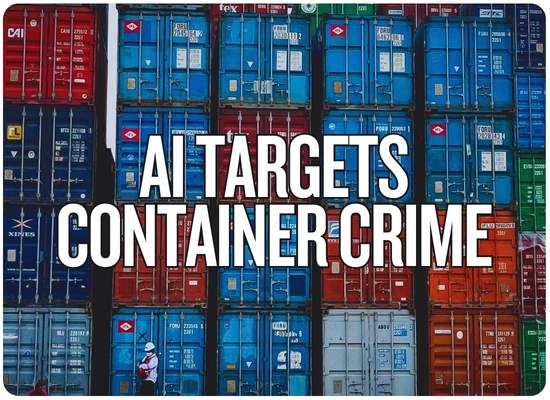
France formally launched the G7+ Ports Network to Combat Drug Trafficking on November 9, 2026, connecting 14 major seaports to strengthen intelligence sharing, customs cooperation and the detection of illicit shipments moving through commercial maritime supply chains. The network's first meeting took place in Marseille alongside the November 9–10 G7 foreign ministers' meeting in Paris. The initiative involves G7 members and partner countries Brazil and South Korea, with participation from INTERPOL, the World Customs Organization (WCO), the International Maritime Organization (IMO) and the United Nations Office on Drugs and Crime (UNODC). French Foreign Minister Jean-Noël Barrot also outlined plans to use artificial intelligence to help track suspicious cargoes across participating ports.

ShipUniverse | International Port Security | November 10, 2026

14 Ports, Nine Participating Countries, One New Security Network

The G7+ initiative connects port authorities, customs administrations and international enforcement organizations to strengthen maritime cargo intelligence.

14Ports in the announced network
9G7 nations plus Brazil and South Korea
8Ports identified by name in reporting reviewed
6Remaining port names not verified

Eight Named Ports in the Public Record

The 14-port total is confirmed. The locations below appear in published November 9–10 reporting. A complete signed membership roster and individual operating arrangements have not been verified for every port.

European Participants Identified
MarseilleFrance
Network's inaugural meeting
Port identified
Le HavreFrance
Major French container gateway
Port identified
DunkirkFrance
North Sea commercial port
Port identified
HamburgGermany
North European container hub
Port identified
GenoaItaly
Mediterranean container gateway
Port identified
London GatewayUnited Kingdom
Thames estuary container terminal
Named in Brazilian reporting
Asia-Pacific and North American Participants Identified
BusanSouth Korea
International transshipment hub
Port identified
HoustonUnited States
Major Gulf Coast container port
Port identified
6 UnverifiedIndividual port names
Public reports identify eight locations, but they do not establish the complete 14-port membership list. No additional Canadian, Japanese or Brazilian terminal should be labeled a member without direct confirmation.

From G7 Commitment to First Meeting

June 17, 2026G7 leaders approve creation of a ports network, with Brazil and South Korea supporting the declaration.
November 9, 2026France launches the network and holds the first meeting in Marseille.
Implementation PhaseSpecific shared systems, data rules, operating protocols and performance reporting remain to be established publicly.

Four International Organizations Involved

WCOWorld Customs Organization
IMOInternational Maritime Organization
UNODCUnited Nations Office on Drugs and Crime
INTERPOLInternational police cooperation
What the launch does not establish: It is not evidence that all 14 ports already use a common AI platform, that all containers face a new inspection mandate, or that new customs documentation requirements have taken legal effect. The initiative's initial emphasis is cooperation, information exchange and improved security practices.
Sources: French Ministry for Europe and Foreign Affairs, June 17 and November 9, 2026; Reuters, November 9; PortNews, November 10; Folha de S.Paulo, November 9. London Gateway is additionally named in Folha's report. The eight named ports are sourced from those reports, not from a single verified official membership register.
ShipUniverse | Port Security Intelligence

The 68% Insider Finding Behind the New G7 Port Network

The security challenge includes who can access cargo, systems and facilities, not only which containers are selected for inspection.

WCO Historical Seizure Analysis 68% Of assessed detection incidents involved a supply-chain internal conspirator. This relates to examined 2023–2024 drug seizures, not all cargo shipments.
2,600+Global drug seizures analyzed
1,347 tDrugs involved in the study
2023–24Underlying detection period
July 2025WCO publication date

Four Layers That Must Work Together

This is a ShipUniverse framework for examining how the new international network could connect existing maritime security controls. It is not an announced G7 technical architecture.

01 / DATACargo IntelligenceAuthorized information exchange across ports, customs and carriers.
02 / SYSTEMSTechnologyExisting screening tools and potential future AI-assisted analysis.
03 / ACCESSPersonnel IntegrityWorker protections, credential governance and controlled system privileges.
04 / ACTIONVerificationLawful inspections, escalation, audit trails and timely cargo release.
Why this matters: A system that improves the selection of containers for inspection still depends on trustworthy data, secure access and effective controls throughout the handling chain. AI does not eliminate the need for human oversight or worker protection.

Six Questions the Founding Announcement Does Not Yet Answer

The G7 has announced the network. Detailed operational requirements and funding allocations have not been publicly established by the launch materials reviewed.

↔ Both horizontal scrollbars move together.
Implementation IssueWhat Has Been AnnouncedWhat Still Needs ConfirmationImplication for Maritime Stakeholders
MembershipFourteen major ports are participating across the G7 and partner countries.The complete list, designated lead agencies and terminal-level coverage.Carriers cannot assume every terminal in a participating country has joined the scheme.
Shared IntelligenceThe network will encourage customs and port authorities to share information.Legal permissions, approved data fields, retention rules and secure exchange mechanisms.Shipping lines may eventually face more coordinated information requests, but no new universal data format has been announced.
Artificial IntelligenceFrench officials described AI as a tool for tracking suspect cargo.Products selected, pilot sites, testing criteria, human-review process and operational rollout dates.Technology suppliers may find opportunities, but a deployed 14-port AI platform cannot be claimed.
Workforce & AccessThe G7's founding declaration calls for stronger security and private-sector cooperation.Port-worker safeguards, access-control changes, accountability and anti-corruption procedures.Employment, privacy and security protections will be central to any future controls.
Inspection CapacityImproved detection of suspicious containers is an objective.Inspection resources, hold/release protocols, service-level targets and reimbursement arrangements.Additional examinations could affect dwell time if screening capacity does not keep pace.
Funding & ResultsCooperation and best-practice sharing are commitments from the June declaration.G7+ budget, procurement notices, measurable targets and public reporting frequency.Security investment opportunities remain prospective; claimed results require measured evidence.

Three Existing Programs That Matter

European Union | 2024European Ports Alliance

Existing public-private port-security cooperation, including €200 million announced for modern customs inspection equipment.

WCO + IAPH | 2025Updated Port Guidelines

Already call for stronger customs-port-carrier collaboration, secure data exchange and harmonized reporting.

European Commission | 2026EU Ports Strategy

Proposes further action on third-country port assessments and port-worker background screening.

Regulatory distinction: The November 9 network launch is not itself a new international treaty, a new ISPS Code amendment or a blanket inspection regulation. Existing national law and customs requirements remain relevant. Future obligations would need an identifiable legal or regulatory basis.
Sources: WCO global seizure analysis, July 17, 2025; G7 leaders' declaration, June 17, 2026; European Ports Alliance announcement, January 24, 2024; updated WCO-IAPH guidelines, September 10, 2025; European Commission EU Ports Strategy, March 4, 2026.
ShipUniverse Interactive Tool | Container Port Operations

Can Your Port Handle More Security Examinations Without Building a Backlog?

Compare baseline customs-examination throughput with a higher-capacity scenario. Test referral volumes, examination capacity, hold duration and direct operating costs.

Model the Inspection Workflow

All defaults are hypothetical terminal planning assumptions. No G7 inspection rate or required new staffing level has been published.

6,000
50020,000
1.00%
0%5%
30 days

Operating Cost Assumptions

Container Examination Capacity Comparison
Reduction in End-of-Period Inspection Backlog
450

Fewer containers waiting in the expanded-capacity scenario than in the existing-capacity scenario at the end of the planning period.

Average Daily Examination Referrals60
Expanded Daily Examination Capacity60
Baseline Backlog at Period End450
Expanded Backlog at Period End0
Baseline Examinations Completed1,350
Expanded Examinations Completed1,800
Baseline Container-Days Awaiting Examination6,975
Expanded Container-Days Awaiting Examination0
Holding Cost Avoided During Period$383,625
Added Capacity Staffing / Availability Cost$67,500
Additional Exams Completed During Period450
Net Difference in Modeled Period Costs$253,125
With these inputs, additional examination capacity prevents the modeled backlog from accumulating. The comparison covers the selected period, not all future clearance costs.

Inspection Backlog Over the Selected Period

Calculated one day at a time. Each scenario starts with the same backlog and receives the same daily referrals.

Current capacity Expanded capacity
500 0 Day 0 Day 30
A container-day is one container waiting through one modeled day's close. The tool does not model real-time hourly appointments, weekend shutdowns, staggered arrivals or individual legal holds.

Operational Cost Comparison

This is an illustrative comparison of examination and holding expense incurred inside the selected time window.

Current Capacity | Period Cost$572,625Completed exams plus modeled queue-holding cost.
Expanded Capacity | Period Cost$319,500Exams, queue-holding cost and added examination capacity.
Estimated Additional Capacity Needed15 / dayDaily slots required to match average new referrals, before clearing any starting backlog.

Day-by-Day Backlog Detail

↔ Both horizontal scrollbars move together.
DayNew ReferralsBaseline ExamsExpanded ExamsBaseline BacklogExpanded Backlog
Methodology and important limitations

New referrals per day = terminal containers per day × referral percentage. The model uses a constant average referral volume and processing capacity every day, including weekends. The beginning backlog is common to both scenarios. Each day, the previous backlog and new referrals are added, then examinations are completed up to the day's available capacity. The remainder is held until a later day. Fractional results are expected workload equivalents, not indivisible real boxes.

Waiting container-days = the sum of end-of-day examination backlogs during the planning period. Holding cost = waiting container-days × user-defined holding expense per container-day. Direct examination expense = completed examinations × cost per exam. Incremental capacity expense = additional exam slots per day × cost per slot-day × number of days. Modeled total period expense combines those categories. The displayed net difference is baseline period expense less expanded period expense.

A positive net period benefit is not a proven financial return. The scenarios complete different numbers of examinations when backlogs grow, so some examination costs are deferred beyond the horizon rather than permanently avoided. Future clearance of the ending backlog, actual terminal tariffs, customs reimbursement, capital expenditure, cargo-owner cost allocation, demurrage, detention, variable labor scheduling and legal holds are excluded.

A higher referral percentage does not mean better detection accuracy or a higher drug seizure rate. No AI precision, false-positive rate, actual criminal prevalence or law-enforcement effectiveness is estimated. The G7+ Ports Network has not published compulsory screening percentages or a deployment timetable for a common AI system. This is a capacity-planning tool, not a live enforcement or container-risk assessment system.

Feedback Welcome

We welcome your feedback, suggestions, corrections, and ideas for enhancements.

Please click here to get in touch
By the ShipUniverse Editorial Team — About Us | Contact


← Browse more ShipUniverse posts
MARITIME DECISION TOOLS

Practical tools for real vessel and commercial decisions

Browse the latest 24 tools or instantly search every published ShipUniverse maritime tool.

24 latest toolsView all 300 →
TOOL

Port Terminal Concession Bid, Throughput Guarantees, Tariff Escalation & Investment NPV Tool

🔔 Subscribe to ShipUniverse Weekly → SHIPUNIVERSE / PORT INFRASTRUCTURE INVESTMENT…

Open →
TOOL

Fleet Debt Covenant Headroom, Vessel Valuation Shock, Interest Rates & Refinancing Liquidity Tool

🔔 Subscribe to ShipUniverse Weekly → SHIPUNIVERSE / FLEET FINANCING INTELLIGENCE…

Open →
TOOL

Maritime Freight FFA Hedging, Bunker Price Risk, Margin Calls & Cash-Flow Protection Tool

🔔 Subscribe to ShipUniverse Weekly → SHIPUNIVERSE / FREIGHT DERIVATIVES &…

Open →
TOOL

Empty Container Repositioning, Depot Inventory, Leasing & Shortage Cost Tool

🔔 Subscribe to ShipUniverse Weekly → SHIPUNIVERSE / CONTAINER EQUIPMENT NETWORK…

Open →
TOOL

Subsea Cable Fault Repair, Vessel Spread, Restoration Timeline & Emergency Repair Cost Tool

🔔 Subscribe to ShipUniverse Weekly → SHIPUNIVERSE / SUBSEA EMERGENCY RECOVERY…

Open →
TOOL

Container Shipping Service Contract, Minimum Volume Commitment, Carrier Allocation & Shortfall Cost Tool

🔔 Subscribe to ShipUniverse Weekly → SHIPUNIVERSE / OCEAN FREIGHT PROCUREMENT…

Open →
TOOL

Fleet Retrofit CAPEX Prioritization, Fuel Savings, Decarbonization & Capital Allocation Tool

🔔 Subscribe to ShipUniverse Weekly → SHIP UNIVERSE / FLEET CAPITAL…

Open →
TOOL

Port Container Crane Fleet Replacement,Availability & Lifecycle CAPEX ROI Tool

🔔 Subscribe to ShipUniverse Weekly → SHIP UNIVERSE / TERMINAL ASSET…

Open →
TOOL

Maritime Counterparty Credit, Charter Hire Default, Payment Security & Recovery Exposure Tool

🔔 Subscribe to ShipUniverse Weekly → Charter Risk · Receivables ·…

Open →
TOOL

Cruise Ship Elevator Capacity, Passenger Flow, Outage Risk & Modernization ROI Tool

🔔 Subscribe to ShipUniverse Weekly → Cruise Operations · Hotel Engineering…

Open →
TOOL

Ship Lay-Up, Preservation, Reactivation & Return-to-Service Economics Tool

🔔 Subscribe to ShipUniverse Weekly → Shipowner Strategy · Vessel Preservation…

Open →
TOOL

Maritime Cyber Incident Recovery, OT Downtime, Business Interruption & Restoration Cost Tool

🔔 Subscribe to ShipUniverse Weekly → Maritime Cyber Resilience · Vessel…

Open →
TOOL

Vessel Technical Management Contract Tender, Fleet OPEX, Fees & SLA Comparison Tool

🔔 Subscribe to ShipUniverse Weekly → Ship Management · Fleet OPEX…

Open →
TOOL

Shipbuilding Refund Guarantee, Yard Credit Risk, Progress Payments & Delivery Default Tool

🔔 Subscribe to ShipUniverse Weekly → Shipbuilding Finance · Newbuilding Security…

Open →
TOOL

Port Waste Reception, MARPOL Delivery Notice, Disposal Logistics & Charge Verification Tool

🔔 Subscribe to ShipUniverse Weekly → Port Operations · MARPOL Waste…

Open →
TOOL

Maritime Crew Recruitment, Retention, Manning Agency Fees & Attrition Cost Tool

🔔 Subscribe to ShipUniverse Weekly → ShipUniverse · Fleet Crewing Economics…

Open →
TOOL

Container Rail Intermodal Connection, Terminal Dwell & Train Slot Tool

🔔 Subscribe to ShipUniverse Weekly → Ship-to-Rail · Intermodal Terminal ·…

Open →
TOOL

Bulk Grain Cargo Quality, Fumigation, Hold Readiness & Rejection Exposure Tool

🔔 Subscribe to ShipUniverse Weekly → Cargo quality · Hold inspection…

Open →
TOOL

Marine Equipment OEM Warranty, Service SLA & Repair Claim Tool

🔔 Subscribe to ShipUniverse Weekly → Equipment Reliability · OEM Claims…

Open →
TOOL

Freight Forwarder Shipment Quotation, Buy/Sell Rates, Routing & Margin Tool

🔔 Subscribe to ShipUniverse Weekly → Freight forwarding · NVOCC pricing…

Open →
TOOL

Ro-Ro Vehicle Terminal Yard Capacity, PDI & Vessel Loading Flow Tool

🔔 Subscribe to ShipUniverse Weekly → Vehicle terminals · PCTC &…

Open →
TOOL

Marine Hull & P&I Renewal, Premium Quote, Deductible & Coverage Comparison Tool

🔔 Subscribe to ShipUniverse Weekly → Marine Insurance · Renewal Tender…

Open →
TOOL

Offshore Support Vessel Charter Bid, Utilization & Campaign Profitability Tool

🔔 Subscribe to ShipUniverse Weekly → Offshore commercial operations · PSV…

Open →
TOOL

Marine Repair Tender, Shipyard Bid Comparison & Contract Cost Risk Tool

🔔 Subscribe to ShipUniverse Weekly → Ship Repair Procurement · Yard…

Open →