Sweden’s $5B French Frigate Deal Reshapes Baltic Naval Procurement
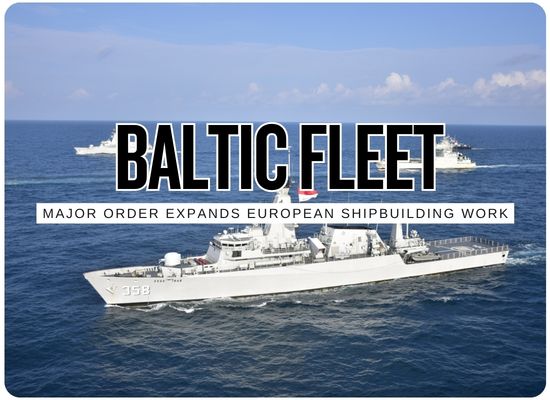
Sweden has moved its next-generation surface fleet from selection to contract, signing with Naval Group for four French-built air-defence frigates that will form the new Luleå class. The program gives the Swedish Navy a larger area-air-defence ship built around the FDI platform, with Aster 30, CAMM-ER, anti-submarine capability and several Swedish systems including RBS15, Torpedo 47, Giraffe 1X, Trackfire and BAE Systems Bofors 57 mm and 40 mm guns. The timing is strategic: Sweden is now inside NATO, the Baltic Sea has become a higher-risk operating zone, and European navies are trying to buy proven designs faster instead of waiting through longer clean-sheet shipbuilding cycles.
Sweden Is Buying Sea-Based Air Defence at Speed
The frigate contract turns Sweden’s NATO-era naval plan into a live production, integration and supplier program.
Major European Naval Order
The SEK 47 billion program is one of Sweden’s largest defence investments since the Gripen era and moves Naval Group deeper into the Nordic market.
Baltic Air Defence Upgrade
The ships are intended to triple Sweden’s current naval air-defence capability and strengthen NATO integrated air and missile defence.
Swedish Systems Inside
Saab and BAE Systems Bofors equipment keeps part of the value chain tied to Swedish suppliers despite the French prime contract.
Delivery Certainty Wins
Sweden selected an in-production frigate design instead of waiting for a longer new-design cycle, with first delivery planned for 2030.
Integration Risk Remains
The hard work now shifts to combat-system integration, Swedish weapons fit, training, spares, crew pipeline and long-term sustainment.
The operating signal is clear: Sweden is not just adding four hulls. It is buying a Baltic air-defence layer, a NATO interoperability upgrade and a supplier program with French and Swedish industrial stakes.
Sweden Frigate Procurement Board
The contract brings together naval air defence, anti-submarine warfare, Swedish weapons integration and European industrial cooperation.
The strongest read is that Sweden prioritized a fielded European design with a near-term production path. The FDI line is already active for France and Greece, giving Sweden a quicker route to a larger surface combatant than a clean-sheet national frigate program.
Luleå-class air-defence frigates ordered for the Swedish Navy.
FMV-stated contract value, including training systems, spare parts and associated equipment.
Planned delivery window for the four Swedish frigates.
Sweden says the ships will triple current air-defence capability.
Procurement and Supplier Signal Table
| Signal | Latest Detail | Commercial Read | Stakeholders | Status |
|---|---|---|---|---|
| Prime contract | FMV signed with Naval Group for four FDI-based air-defence frigates. | France wins a major Nordic surface-combatant program and strengthens Naval Group’s export position. | Naval Group, FMV, French suppliers, Swedish Navy | Very High |
| Program value | The contract is worth about SEK 47 billion and includes support equipment. | This is a multi-year procurement and sustainment opportunity, not only a shipbuilding award. | Shipyards, integrators, electronics firms, sustainment providers | Very High |
| Delivery schedule | HMS Luleå is planned for 2030, followed by deliveries in 2032, 2033 and 2034. | The delivery cadence gives Sweden a visible fleet-modernization timeline while creating schedule pressure on integration and training. | FMV, Naval Group, crew planners, maintenance suppliers | Medium |
| Air-defence fit | FMV lists Aster 30 and CAMM-ER among the air-defence capabilities. | The ships are being bought for area defence, not just patrol, escort or anti-surface roles. | Missile suppliers, combat-system teams, NATO planners | High |
| Swedish weapons and sensors | RBS15, Torpedo 47, Giraffe 1X, Trackfire and Bofors naval guns are listed for integration. | Sweden keeps national supplier participation inside a French-designed frigate program. | Saab, BAE Systems Bofors, integration teams, export customers | Positive |
| Anti-submarine role | The government describes anti-submarine capability as one of the core features. | ASW remains central in the Baltic because shallow water, seabed infrastructure and Russian submarine activity shape naval planning. | Sonar suppliers, torpedo suppliers, naval operators, NATO | High |
| NATO interoperability | The government frames the frigates as a contribution to NATO air and missile defence. | Sweden’s fleet is moving from national coastal defence toward alliance-level sea-control and escort tasks. | NATO, Baltic navies, logistics planners, allied fleets | High |
| European industrial cooperation | A separate French-Swedish defence cooperation framework was signed alongside the frigate contract. | The deal strengthens the pattern of European navies buying European systems with shared industrial workshare. | France, Sweden, EU defence sector, subsystem suppliers | Positive |
| Sustainment opportunity | The contract includes training systems, spares and associated materiel. | Long-term value will flow through training, maintenance, upgrades, software, weapons stockpiles and lifecycle support. | MRO providers, training firms, software suppliers, yards | Watch |
| Competitive signal | The French offer beat other European frigate paths after Sweden focused on delivery speed and maturity. | Future naval competitions may increasingly reward ships already in production over paper designs. | Naval Group, Babcock, Navantia, BAE Systems, TKMS | Watch |
Naval Frigate Procurement Impact Tool
Estimate contract value per ship, supplier opportunity, sustainment value and delivery-pressure risk for a major naval frigate program.
Program value divided across the ordered hulls.
Estimated national and local supplier-linked value.
Estimated long-term sustainment and support value.
Estimated pressure from delivery pace, integration complexity and design maturity.
The modeled program combines large contract value, NATO air-defence relevance, domestic supplier content and manageable schedule pressure.
Track suppliers and sustainmentThis tool is for editorial and commercial sensitivity only. It does not replace official procurement records, classified capability data, shipyard schedules, combat-system integration reviews, supplier contracts, export-control review, budget analysis or professional defence-market diligence.