Bulk Carrier Orders Surge as COSCO Locks In a Long Lease Fleet
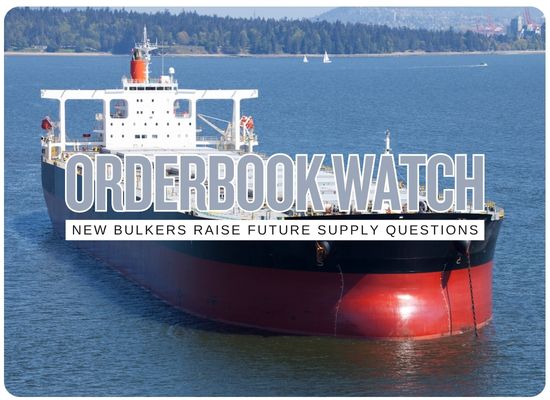
COSCO Shipping Development has moved dry bulk ordering back into the spotlight with a 24-vessel newbuilding package valued at about $1.27 billion, structured around long-term leasing to Huifeng, a subsidiary of COSCO Shipping Bulk. The package includes twenty 87,000 dwt multipurpose grain carriers and four large 210,000 dwt to 211,000 dwt bulk carriers, spread across Chinese shipyards including COSCO Shipping Heavy Industry Dalian, CSSC Chengxi, Dalian Shipbuilding Industry Corporation, and Beihai Shipbuilding. Deliveries are scheduled mainly from 2029 into 2030, with lease terms running for roughly 20 years from delivery and no purchase obligation for the lessee at the end of the period. The COSCO order lands alongside a wider pickup in dry bulk newbuilding activity, including fresh orders from Enesel, U-Ming, Changhang Freight, and China Merchants-linked owners, while the market continues to weigh today’s firm freight environment against a future supply wave that becomes more visible as 2027, 2028, 2029, and 2030 deliveries approach.
Ship Universe Dry Bulk Watch
Operator Impact Snapshot
COSCO’s 24-ship order changes the dry bulk newbuilding conversation from scattered fleet renewal to major long-cycle capacity planning.
The latest ordering wave is not only about adding ships. It shows how large owners are using leasing structures, Chinese yard capacity, future fuel-ready designs, and long delivery windows to secure dry bulk exposure before the next market cycle fully forms.
COSCO leasing signal
A 24-vessel package leased for roughly 20 years gives COSCO-linked dry bulk operations long-term control of tonnage without a simple spot-market fleet purchase story.
Chinese yards stay central
The order spreads work across major Chinese shipbuilding groups, reinforcing China’s role as the main execution platform for modern bulk carrier renewal.
Late-decade delivery risk
Ships ordered now arrive into a different market. The 2029 and 2030 delivery window creates exposure to future freight rates, carbon rules, fuel availability, and cargo-demand shifts.
Alternative fuel optionality
The large units being methanol and ammonia-ready points to a fleet strategy built around optionality rather than a single fuel bet at delivery.
Supplier opportunity pipeline
Newbuild packages create demand for main engines, cargo systems, coatings, hatch covers, ballast systems, shore-power equipment, digital monitoring, and future fuel preparation.
Commercial Reading
Bulker ordering is becoming more selective but also more strategic. Owners are not simply chasing ships. They are targeting grain trades, Capesize and Newcastlemax exposure, long-term lease income, domestic yard relationships, and designs that can survive future fuel and emissions uncertainty.
- Owners: compare newbuild slots against secondhand prices, delivery timing, fuel optionality, and the risk of entering service after the current freight cycle changes.
- Charterers: watch the grain carrier and Newcastlemax pipeline because future capacity can change contract cover, voyage flexibility, and long-term freight negotiating power.
- Shipyards: Chinese yards remain the main beneficiaries, especially yards that can offer repeat designs, delivery certainty, and alternative-fuel-ready options.
- Suppliers: target the newbuild chain early because equipment choices are being locked years before the ships enter the market.
- Financiers: leasing structures are becoming part of the competitive model, especially for owners trying to control assets while smoothing long-term cash flow.
Dry Bulk Newbuilding Board
Orders, Yards, Delivery Windows, and Market Signals
The latest bulker contracts show owners locking in future capacity while today’s freight market remains healthy but future supply risk builds.
Ordering Setup
The COSCO package is the biggest fresh signal in the current bulker ordering cycle because it combines scale, internal leasing, Chinese shipyard allocation, and late-decade deliveries. It also arrives alongside several recent orders that show demand for Kamsarmax, Ultramax, Capesize, and Newcastlemax tonnage remains active, even as analysts warn that fleet growth can begin to outrun demand once the next delivery wave enters service.
Twenty 87,000 dwt grain carriers plus four large 210,000 dwt to 211,000 dwt bulkers.
Estimated total investment tied to COSCO Shipping Development’s latest dry bulk program.
Long-term operating leases to a COSCO Shipping Bulk subsidiary after delivery.
Most of the new COSCO tonnage enters the market late in the decade.
Recent Bulker Order Table
| Owner or Program | Order Profile | Yard and Build Chain | Delivery and Structure | Market Signal | Impact Meter |
|---|---|---|---|---|---|
| COSCO Shipping Development Large leasing package |
24 bulkers Twenty 87,000 dwt multipurpose grain carriers and four large 210,000 dwt to 211,000 dwt bulkers. |
COSCO Shipping Heavy Industry Dalian, CSSC Chengxi, DSIC, and Beihai Shipbuilding are all involved in the build split. | Deliveries are scheduled mainly from 2029 into 2030. The ships are planned for long-term leases to Huifeng. |
Cycle Marker The order is a major sign that Chinese state-linked shipping finance is still willing to lock in dry bulk assets far ahead of delivery. |
High
|
| COSCO Large Units Future fuel optionality | Four 210,000 dwt to 211,000 dwt large bulkers, with the biggest units tied to methanol and ammonia-ready preparation. | DSIC and Beihai Shipbuilding are assigned to the large-bulker portion of the program. | Late-decade delivery gives COSCO flexibility, but also exposes the vessels to future fuel, carbon, and freight-cycle conditions. |
Fuel Watch Ready notation may be valuable if future fuel supply and regulation tighten, but conversion economics still need to work. |
Medium High
|
| Enesel Group Greek dry bulk expansion | Eight-vessel dry bulk push across Capesize and Ultramax tonnage, including additional 181,500 dwt Capesizes and 63,500 dwt Ultramaxes. | Hengli Heavy Industries and Jiangsu Hantong are tied to the reported build program. | Deliveries are scheduled across the 2027 to 2028 window, earlier than COSCO’s latest package. |
Earlier Delivery A shorter delivery runway gives Enesel exposure before the largest late-decade orderbook pressure arrives. |
Medium High
|
| U-Ming Marine Transport Newcastlemax expansion | Two firm 211,000 dwt Newcastlemax bulkers with options for two more, priced in the high-$70 million range per vessel. | Jiangsu Hantong Ship Heavy Industry is building the ships through U-Ming’s Singapore subsidiary order. | Expected delivery is set for 2029 and 2030, aligning with a larger fleet expansion plan. |
Big Ship Bet Newcastlemax exposure fits long-haul iron ore and bauxite thinking, but delivery timing overlaps with future supply growth. |
Medium High
|
| Changhang Freight Kamsarmax entry | Two 82,000 dwt bulk carriers designed for domestic and international dry bulk trading. | Jiangsu Haitong Offshore Engineering Equipment is building the vessels. | The order supports a green fleet and dry bulk expansion program, with shore-power and intelligent energy management features reported. |
Fleet Renewal The order shows mid-size Chinese domestic and international bulker demand remains active. |
Medium
|
| Shanghai Changjiang Shipping China Merchants-linked order | Two 82,000 dwt Kamsarmax bulkers ordered at Jiangsu Haitong. | Jiangsu Haitong will build the SDARI-designed vessels, with market estimates around $37 million to $38 million per ship. | Delivery is scheduled for 2028, giving the buyer earlier access than late-decade Newcastlemax programs. |
Kamsarmax Demand Mid-size bulker renewal is still moving despite concerns that Panamax and Supramax fleet growth could weigh on future balance. |
Medium
|
| Dry Bulk Market Balance Fleet supply outlook | Analysts still describe the near-term balance as stable, but ordered vessels entering service from 2027 onward can add pressure. | Chinese private and state yards are carrying much of the visible ordering momentum across Kamsarmax, Ultramax, Capesize, and Newcastlemax segments. | Larger vessels may benefit from ton-mile demand, while mid-size segments face closer scrutiny around supply growth. |
Supply Test Strong ordering is positive for yards and suppliers, but owners need cargo growth to keep pace with the delivery schedule. |
Watch
|
Ordering Cycle Sequence
The dry bulk newbuilding story is moving through a familiar but important sequence.
Bulker Orderbook Pressure Calculator
Estimate the capacity, financing, and market-balance impact of a new dry bulk order.
Use this tool to test how a new bulker order affects fleet capacity, capital exposure, annual lease burden, and future supply pressure. It is designed for owners, brokers, charterers, suppliers, and investors comparing newbuild activity against freight-market balance.
New Capacity Added
2.58M DWT
Estimated deadweight capacity added by the order.
Average Cost Per Ship
$52.9M
Estimated average contract value per vessel across the package.
Debt-Funded Exposure
$952.5M
Estimated external financing or debt-backed portion of the newbuilding program.
Annual Capital Recovery Target
$63.5M
Simple annual recovery amount before financing cost, operating cost, residual value, and tax assumptions.
Orderbook Pressure Signal
Under these assumptions, recycling offsets most of the gap between supply and demand growth. The order looks manageable if cargo demand and tonne-mile support remain firm.
We welcome your feedback, suggestions, corrections, and ideas for enhancements. Please click here to get in touch.