Singapore Cargo Ship Hit Near Hormuz as Gulf Shipping Risk Spikes Again
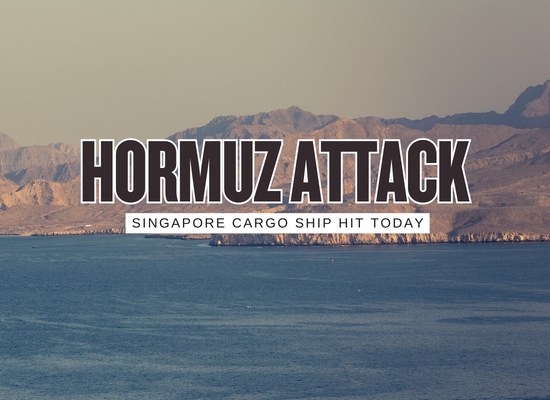
A Singapore-flagged cargo ship was struck today near Oman while crossing the Strait of Hormuz, according to the UK Maritime Trade Operations channel and U.S. officials cited in current reporting. The vessel, identified in multiple reports as Ever Lovely, said it was hit on the starboard side about 7.5 nautical miles southeast of Dahit in Oman. The incident came just as the IMO paused its evacuation initiative for ships and seafarers in the strait, after earlier coordination had helped dozens of vessels leave the Gulf. Reporting also says Iran had renewed radio warnings that merchant traffic should use routes it approved, and U.S. officials told reporters they believe Iran fired on the ship. No casualties were reported, but the attack immediately pushed maritime security, route confidence, and oil market nerves back to the center of the Gulf shipping conversation.
Operator Impact Snapshot
A live strike on a civilian cargo vessel near Oman resets immediate confidence around transits close to Hormuz.
Any fresh attack in the strait can feed insurance caution, voyage review, and tougher charter conversations quickly.
Traffic has resumed, but reliability now depends on whether incidents remain isolated or begin changing operator behavior.
Heightened naval warnings and shifting transit guidance raise documentation and voyage-management sensitivity.
The Strait Just Became a Live Security Story Again
The attack on a Singapore-flagged cargo vessel near Oman changes the tone of the Gulf shipping picture because it comes at a moment when traffic had started recovering and organized passage support was beginning to look more credible. Instead of confirming calm, the incident pushes operators back into a market where route viability, naval warnings, and merchant-vessel safety have to be weighed almost in real time.
The News Flow Around the Incident
The immediate sequence matters. The ship reported being struck on its starboard side southeast of Dahit in Oman. The vessel was identified in current reporting as the Singapore-flagged cargo ship Ever Lovely. Officials cited in the latest coverage say Iran fired on the vessel, while the IMO separately halted its evacuation initiative in the strait after the attack was reported. That pause matters because it shows the incident was serious enough to force a reassessment of a multinational safety mechanism that had just been helping trapped ships and seafarers move out of the Gulf.
Current market read: The strait is not frozen, but confidence has become less durable. That is a different operating environment from a simple return-to-normal narrative.
Incident Importance
The latest attack lands in a very sensitive gap between conflict and commercial recovery. Tanker and cargo traffic had been showing signs of moving again, and some operators were already adjusting to temporary corridors, Omani-water routing, and new passage practices. But when a civilian cargo ship is hit during that adjustment period, the region does not just absorb another security headline. It reopens questions about whether transit arrangements are durable enough to trust, whether route guidance can change suddenly, and whether merchant crews are being asked to accept a risk profile that still shifts faster than public guidance does.
Latest Hormuz Shipping Pressure Table
| Pressure Lane | Current Operating Read | Direct Effect on Shipping | Who Feels It First | Next Signal to Watch |
|---|---|---|---|---|
|
Merchant vessel exposure
A civilian ship has now been hit during an attempted Hormuz transit.
|
The attack shows that commercial traffic remains physically exposed even during organized attempts to normalize movement. | Fresh pressure on transit confidence, bridge team concern, war-risk assessment, and voyage approval discipline. | Owners, P&I clubs, charterers, and crew managers. | Whether further merchant-vessel incidents follow within days, not weeks. |
|
IMO coordinated movement
Passage support has been interrupted rather than reinforced.
|
The IMO paused its evacuation initiative after the vessel attack, signaling that current safety guarantees need review. | Less confidence around structured transit planning for ships still trying to leave the Gulf. | Shipmanagers, crewing teams, and operators with vessels still exposed inside the Gulf. | Whether the initiative resumes quickly with updated assurances or remains suspended longer. |
|
Route guidance tension
Iran had renewed warnings that ships should use routes it approved.
|
That creates a more politically loaded navigation environment where routing is not just a seamanship question. | More scrutiny on route choice, communications, and voyage management decisions. | Masters, operators, naval-security desks, and compliance teams. | Whether more ships shift visibly toward Omani-side patterns or delay passage decisions. |
|
Energy market nerves
The strike landed in one of the world’s most important energy corridors.
|
Even a single incident can feed price volatility because the market has already been trading around fragile confidence. | Higher sensitivity in crude, LNG, tanker routing, and short-term freight sentiment. | Tanker owners, commodity traders, brokers, and refiners. | Whether resumed traffic holds or starts slowing again around the highest-risk windows. |
|
Commercial confidence
Recovery had started, but this hit interrupts the tone of that recovery.
|
Operators now have to reassess not only risk, but also how quickly market assumptions can reverse. | More conservative planning, tighter charter language, and renewed insurance caution. | Owners, charterers, financiers, and marine insurers. | Whether the incident becomes a one-off shock or the start of a new cluster of shipping disruptions. |
Hormuz Transit Stress Estimator
This tool helps operators gauge how exposed a voyage or trade lane may be after the latest attack on a Singapore-flagged cargo vessel near Oman.
The current profile points to elevated operating stress for voyages exposed to Hormuz movement after today’s incident.
Direct merchant-vessel exposure is currently the sharpest stress point in the voyage profile.
Voyage review, bridge guidance, and stakeholder communication should be tightened rather than treated as routine.
Commercial movement may continue, but the balance between transit confidence and transit exposure has worsened.
We welcome your feedback, suggestions, corrections, and ideas for enhancements. Please click here to get in touch.