Qatar LNG Tankers Return Through Hormuz as Gas Shipping Restarts
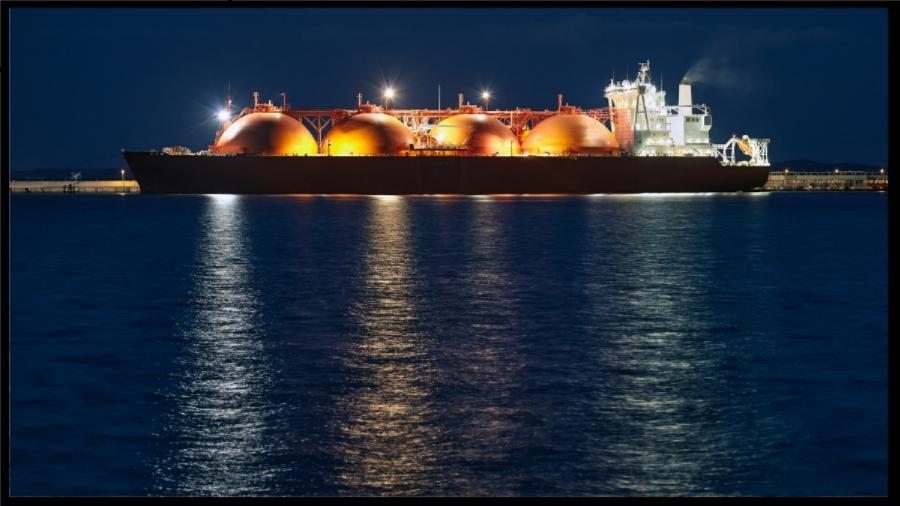
Qatari-linked LNG shipping is moving back into view after a period of disrupted Gulf gas flows, with multiple empty LNG carriers tied to Qatar returning through the Strait of Hormuz and fresh tanker activity pointing to a cautious restart of the export chain. The latest movement does not mean Qatar’s LNG logistics are fully normal again, but it does show that vessel operators, cargo buyers, insurers, and energy traders are beginning to see a more visible flow of LNG tonnage back toward Ras Laffan. The restart is still being shaped by safety checks, vessel availability, route confidence, port readiness, and the pace at which unaffected production can be matched with ships. For the maritime market, the story is not simply that Qatar is producing gas again. The larger operational signal is that the ships needed to move that gas are starting to reappear on the route, which gives buyers and operators a clearer view of how the Gulf LNG corridor may recover in the days ahead.
Ship Universe LNG Watch
Operator Impact Snapshot
Qatar-linked LNG carriers are returning to the Gulf, but the restart is still moving through a cautious shipping phase.
The visible return of Qatar-linked LNG tonnage gives the market a stronger signal that the Gulf gas export chain is reopening, but the early flow remains fragile. Owners, charterers, LNG buyers, insurers, port agents, and bunker suppliers should treat this as a restart sequence rather than a clean return to normal trading.
LNG carrier positioning
Empty LNG carriers returning toward the Gulf are the clearest operational sign that Qatar-linked liftings are moving from planning back into execution.
Hormuz transit confidence
Passage risk has eased enough for more visible movements, but insurers and ship operators will still monitor security, traffic density, naval guidance, and route notices.
Ras Laffan loading rhythm
Restarting ships is only one side of the equation. Cargo timing depends on liquefaction availability, berth flow, storage balance, and safe loading coordination.
Asia and Europe supply visibility
Buyers with Qatari exposure can now read actual vessel movement again, which helps scheduling, replacement cargo decisions, and downstream delivery planning.
LNG freight and charter sentiment
More returning tonnage may soften panic around availability, but any fresh route concern can quickly revive premium pricing for ships, fuel, and coverage.
Commercial Reading
This restart is best understood as a controlled re-entry of vessels into a critical LNG corridor. The market is watching whether the returning ships translate into steady loadings, whether transit insurance becomes easier to place, and whether buyers regain enough confidence to reduce emergency cargo planning.
- Owners: tighten voyage instructions, security communication, bunker planning, and deviation language before accepting Gulf LNG exposure.
- Charterers: check laycan realism, terminal readiness, and replacement cargo options before relying on a single delivery window.
- Brokers: expect sharper questions around vessel availability, recent AIS history, war-risk cover, and loading queue position.
- Insurers: keep routing, cargo ownership, sanctions screening, and ship-management details close to the underwriting file.
- Suppliers: prepare for uneven demand at bunkering, agency, inspection, crew, repair, and security service points.
LNG Shipping Restart Signal
The return of Qatar-linked LNG carriers is a logistics story, a freight story, and a risk-pricing story at the same time.
Restart Pattern
Qatar’s LNG export recovery is entering a more visible shipping phase. The key marker is the return of empty LNG carriers into the Gulf, because those ships are the physical bridge between production at Ras Laffan and delivery commitments into Asia, Europe, and other buying regions. During a disruption, buyers can see contracts on paper, but the shipping market watches hulls, routes, loading windows, and traffic through Hormuz.
The latest movements suggest a cautious reopening rather than a full reset. Vessel operators are likely sequencing returns based on safety confidence, terminal timing, crew readiness, bunker planning, and insurance terms. Some LNG carriers may move faster than others depending on charter structure, cargo priority, ownership links, and whether the ship is already positioned close enough to meet a loading slot.
Market Exposure Board
| Stakeholder | Current Signal | Commercial Exposure | Action This Week |
|---|---|---|---|
| LNG shipowners | Active | Higher demand for available LNG tonnage tied to Qatar-linked cargo recovery, but route-risk terms remain important. | Review war-risk cover, terminal instructions, bunker options, and deviation rights before accepting tight Gulf schedules. |
| Charterers | Watch | More ships returning improves optionality, but cargo timing can still slip if loadings or transit confidence remain uneven. | Use shorter quote-validity windows and keep alternate cargo, storage, or swap options open until delivery is firmer. |
| Gas buyers | Uneven | Supply visibility is improving, but replacement cargo decisions may still depend on exact delivery windows. | Track vessel nominations, load dates, discharge windows, and downstream inventory buffers rather than relying only on restart statements. |
| Insurers | Sensitive | Hormuz exposure, cargo value, ownership links, navigation notices, and security updates remain central to pricing. | Update route files, vessel history checks, sanctions screening, and voyage endorsements before coverage binds. |
| Port agents | Busier | Returning vessels can create bursts of demand for berth coordination, documentation, inspections, crew services, and launch support. | Prepare for uneven call patterns rather than a smooth daily flow, especially if several vessels are sequenced closely. |
| Bunker suppliers | Watch | LNG carrier movement can tighten demand for reliable stems at regional hubs if vessels avoid unnecessary deviation. | Confirm product availability, quality documentation, delivery windows, and contingency supply points early. |
| Marine equipment suppliers | Selective | Restart pressure can increase demand for safety, monitoring, cryogenic, valve, pump, inspection, and emergency repair support. | Focus outreach on reliability, fast delivery, compliance documentation, and service access near Gulf and Asian LNG nodes. |
Operational Sequence
Vessel return
Empty LNG carriers move back toward the Gulf, signaling that ship operators see enough route confidence to reposition tonnage.
Terminal matching
Ras Laffan must match available production, tank storage, berth access, cargo priority, and ship arrival timing.
Loading and clearance
Each vessel has to load, complete documentation, clear safety requirements, and exit through Hormuz without losing the delivery window.
Delivered supply signal
The market gets more confidence once cargoes are not only loaded, but also visible on route to end users with stable estimated arrival dates.
Freight and Fuel Read
LNG shipping costs can move quickly during a restart because the available fleet is specialized and the cargo value is high. A carrier returning to Qatar may create positive supply news for gas buyers, but that does not automatically mean charter costs, insurance costs, or bunker planning normalize at the same pace. The first wave of repositioning can even create short-term pressure if too many participants compete for the same safe windows, bunker stems, and terminal slots.
The most important commercial detail is the gap between a vessel being seen near the route and a cargo actually being delivered. Every extra day of waiting, delay, deviation, or security review can alter the economics of a Qatari LNG cargo. For that reason, market participants should track loaded departures, discharge nominations, and voyage progress rather than treating returning empty ships as the final step.
Qatar LNG Restart Exposure Tool
Estimate restart confidence by combining vessel flow, loading rhythm, Hormuz risk, insurance friction, and delivery delay.
This tool gives a practical planning score for Qatar-linked LNG cargo exposure. It is designed for operators, brokers, insurers, cargo buyers, and suppliers that need a fast read on whether a restart is moving toward normal flow or still carrying elevated execution risk.
Restart Confidence Score
67 / 100
Restart visibility is improving, but execution risk is still meaningful.
Estimated Delay Exposure
$577,500
Estimated commercial exposure from delay, based on cargo value and daily exposure rate.
Ship Flow Ratio
57%
Loaded departures compared with visible returning LNG carriers. Higher is stronger because cargo is actually moving.
Commercial Signal
The restart is visible enough to support planning, but cargo teams should keep backup supply, flexible windows, and route-risk protection in place.