
SHIPUNIVERSE
Maritime Intelligence, Tools & Live Industry Radars

One place for live maritime intelligence, practical decision tools, industry events and focused reporting.

17Live Radars 286Maritime Tools
24/7Intelligence Focus
GlobalIndustry Coverage
RADARS
TOOLS
All Tools
Latest 20
Open to load latest items…
NEWS
All News
Latest 20
Open to load latest items…
REPORTS
All Reports
Latest 20
Open to load latest items…
TECH
All Tech
Latest 20
Open to load latest items…
CRUISE
All Cruise
Latest 20
Open to load latest items…
NAVAL
All Naval
Latest 20
Open to load latest items…
SHIPUNIVERSE REPORTING

Reports, news and industry coverage

Full analysis in the ShipUniverse intelligence layout.

← Back to latest posts ShipUniverse / NEWS

Morgan Stanley Sees Energy Shipping Staying Tight for Years as Asia’s Supply Chains Stretch Longer

🔔 Subscribe to ShipUniverse Weekly →

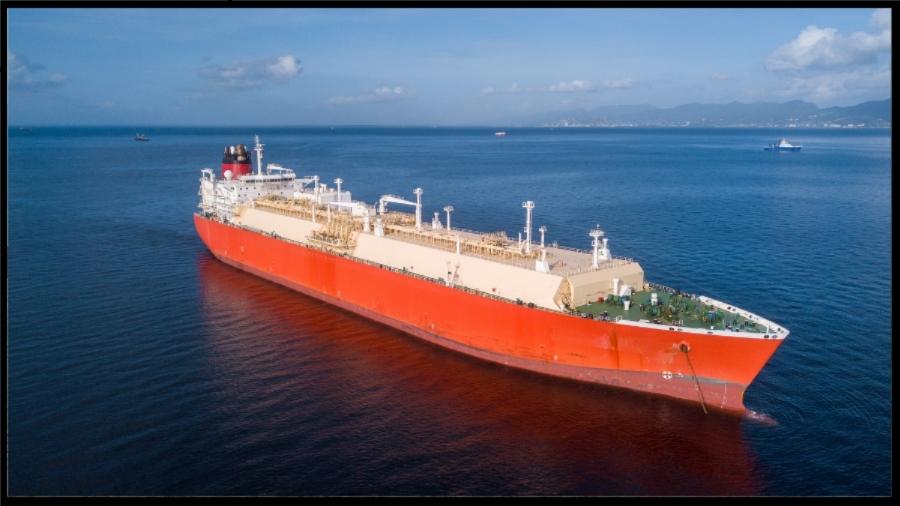
Morgan Stanley is now arguing that vessel undersupply across energy shipping could last much longer than the market had been expecting, with the bank tying the outlook to a broader Asian energy-security shift that is reshaping shipping demand across crude, LNG and coal-linked trades. The core message is that the Iran war and the wider energy shock are not being treated as a short-lived disruption, but as catalysts for a longer investment cycle in which countries prioritize security of supply over short-haul efficiency, pushing tonne-miles higher and keeping demand for energy transport elevated. Trade reporting on the research says Morgan Stanley sees more than $5 trillion of energy investment across Asia through 2030, while also warning that older ships are being scrapped even as longer-haul demand rises, creating the conditions for persistent vessel tightness across multiple energy lanes. That call is landing at a time when the global shipping orderbook is already at a 17-year high, crude tanker contracting has just posted a record quarter, and coal and LNG trade patterns are still being stretched by the fallout from the Iran conflict.

Operator Impact Snapshot
A fast-read strip for owners, brokers, insurers, operators and suppliers watching the current energy-shipping setup.
Freight exposure
High
Longer-haul crude, LNG and coal-linked flows keep freight sensitivity elevated.
Insurance exposure
Medium
Energy routes remain insurable, but geopolitical risk still adds friction and premium pressure.
Fuel / bunker impact
High
Higher energy costs continue to affect operating economics across multiple shipping lanes.
Port / route disruption
Watch
Some flows are moving again, but route efficiency and corridor confidence are not fully restored.
Chartering / asset values
High
Tight vessel availability and longer-haul demand keep chartering leverage and asset support strong.
The bank’s call is not built on one market spike. It is built on longer-haul energy routing, heavier replacement pressure and a belief that supply discipline still will not catch up fast enough
This deeper view separates the shipping logic behind the undersupply thesis from the headline itself.
Asia energy-investment wave
$5tn+
Trade reporting on the Morgan Stanley research says Asia could see more than $5 trillion of energy investment through 2030.
Global orderbook ratio
17%
BIMCO says the overall shipping orderbook reached 17% of the global fleet, the highest level since 2011.
Crude-tanker ratio
22%
BIMCO data cited by Seatrade puts the crude-tanker orderbook at 22% of the fleet, already historically high.
LNG-carrier ratio
40%
The LNG-carrier orderbook remains very large, but Morgan Stanley’s point is that longer-haul demand and fleet turnover can still keep markets tight in key energy lanes.
Pressure lane Current marker Immediate operating read Importance Commercial consequence Next checkpoint
Longer-haul energy sourcing Morgan Stanley’s thesis is that Asian buyers are prioritizing security and diversification over shorter supply chains. Tonne-miles stay elevated The bank is not mainly calling for more cargo volume alone. It is calling for more vessel time per cargo moved. That matters because longer-haul sourcing can keep shipping tight even if raw commodity demand itself rises only moderately. Owners in crude, LNG and coal-linked trades can benefit from higher vessel utilization and more persistent charter demand. Watch whether Asian import patterns continue shifting toward diversification instead of snapping back to shorter pre-crisis routes.
Tanker replacement pressure Morgan Stanley says older ships are being scrapped while demand rises, even with the tanker orderbook already high. High orderbook does not end the story The bank is arguing that replacement need and longer-haul demand can keep supply tight despite busy yards. This matters because owners and charterers often assume a large orderbook automatically means oversupply is coming quickly. Asset values and charter rates can stay supported longer if incoming tonnage is offset by scrapping and more vessel days per cargo. Watch demolition trends and the age profile of active fleets, not only headline order counts.
Crude-tanker ordering surge BIMCO says Q1 2026 delivered the highest quarterly crude-tanker contracting on record, while crude tankers now represent a 22% orderbook-to-fleet ratio. Supply is rising, but so is the stress test The market is already responding with heavy contracting, especially in crude. That matters because if Morgan Stanley is still talking undersupply against this backdrop, it implies a very strong structural demand view. The crude-tanker market may stay tighter for longer than a normal orderbook reading would suggest, though later-cycle supply risk still builds. Watch whether contracting remains hot or starts slowing as owners become less confident about later-cycle delivery economics.
LNG and gas-chain implications Global LNG supply is rising in 2026, with Asia demand also expected to increase and trade balances still being reshaped by the Iran conflict. More gas does not mean easier shipping The gas market can add more cargo while still keeping vessel demand firm if flows become more dispersed and politically driven. This matters because LNG shipping tightness depends on route structure and fleet suitability, not only on total supply growth. Charterers may still need to secure tonnage aggressively in selective gas lanes even while the broader LNG market moves toward more supply. Watch whether new LNG supply lowers prices faster than it lowers shipping tightness, especially in Asia-linked trades.
Coal-linked vessel demand Asia’s thermal-coal imports jumped in May as LNG prices spiked and China, India, Japan and South Korea adjusted fuel sourcing. Coal remains part of the energy-shipping equation Energy-trade vessel demand is not only about oil and gas. Coal flows are still expanding when gas economics worsen. That matters because the energy-security story broadens support for bulk shipping as well as tanker and gas-carrier demand. Owners tied to coal trades may keep benefiting from a fallback-fuel dynamic when LNG prices or gas-route risks climb. Watch whether coal import strength proves temporary or remains a more durable part of Asia’s energy-security response.
Shipyard capacity and timing Morgan Stanley’s call also points to accelerated shipyard capacity expansion as part of the response to longer-term energy-trade tightness. Capacity lag stays important Even when owners order aggressively, yard expansion still works on a lag against rising energy-shipping demand. This matters because undersupply can persist if the shipbuilding response arrives slower than route expansion and fleet renewal needs. Charter markets can stay stronger longer when the industry is ordering hard but still cannot add useful tonnage quickly enough. Watch whether yards genuinely add throughput or simply extend orderbooks farther out without materially easing delivery bottlenecks.
Market Read
Morgan Stanley’s position is that energy shipping tightness can survive even in a market already ordering heavily, because the real driver is not only fleet growth. It is longer-haul trade, replacement need and a slower shipyard response than the new energy map requires.
Energy Trade Tightness Monitor
A compact interactive tool that scores whether the current energy-shipping setup looks structurally tight or only temporarily stretched.
Energy-shipping tightness lasts when longer-haul sourcing, fleet replacement needs and yard lag all keep pressure on the same side of the market. This tool scores that balance across crude, LNG, coal-linked trade and shipbuilding response.
Build the market profile
Tightness Score
84
Strong structural tightness. The current setup looks more durable than a normal short-cycle freight squeeze.
Market posture
Prolonged
The balance still points toward extended tightness rather than a quick unwind.
Strongest driver
Route Stretch
The main force is more vessel time per cargo moved as supply chains lengthen across energy trades.
Main balancing factor
Orderbook Relief
The biggest counterweight is still the size of the incoming fleet, especially in tanker and LNG categories.
Closest live comparison
Current Morgan Stanley View
Your settings match the present thesis that energy shipping remains tight even with heavy ordering already underway.
Tightness Read
Current settings point to a prolonged energy-shipping squeeze. The strongest message is that longer-haul energy security, replacement demand and slower yard adjustment can keep vessel availability tighter than the headline orderbook alone would suggest.
Score bands
0 to 35
Loose market. Fleet growth would likely outpace energy-trade stress.
36 to 60
Balanced market. Tightness would exist, but without a strong structural edge.
61 to 80
Strong market. Tightness would still be meaningful across several energy lanes.
81 to 100
Prolonged tightness. Route stretch, replacement need and yard lag keep the market structurally firm.
Current market read
The live setup sits in the top band because energy-security routing, replacement pressure and incomplete shipyard relief are all still working together, even in a market already ordering heavily.
Directional market tool only. It is designed to translate the current energy-shipping picture into a tightness score, not to forecast exact future charter rates.
We welcome your feedback, suggestions, corrections, and ideas for enhancements. Please click here to get in touch.
By the ShipUniverse Editorial Team — About Us | Contact


← Browse more ShipUniverse posts
MARITIME DECISION TOOLS

Practical tools for real vessel and commercial decisions

Browse the latest 24 tools or instantly search every published ShipUniverse maritime tool.

24 latest toolsView all 286 →
TOOL

Port Waste Reception, MARPOL Delivery Notice, Disposal Logistics & Charge Verification Tool

🔔 Subscribe to ShipUniverse Weekly → Port Operations · MARPOL Waste…

Open →
TOOL

Maritime Crew Recruitment, Retention, Manning Agency Fees & Attrition Cost Tool

🔔 Subscribe to ShipUniverse Weekly → ShipUniverse · Fleet Crewing Economics…

Open →
TOOL

Container Rail Intermodal Connection, Terminal Dwell & Train Slot Tool

🔔 Subscribe to ShipUniverse Weekly → Ship-to-Rail · Intermodal Terminal ·…

Open →
TOOL

Bulk Grain Cargo Quality, Fumigation, Hold Readiness & Rejection Exposure Tool

🔔 Subscribe to ShipUniverse Weekly → Cargo quality · Hold inspection…

Open →
TOOL

Marine Equipment OEM Warranty, Service SLA & Repair Claim Tool

🔔 Subscribe to ShipUniverse Weekly → Equipment Reliability · OEM Claims…

Open →
TOOL

Freight Forwarder Shipment Quotation, Buy/Sell Rates, Routing & Margin Tool

🔔 Subscribe to ShipUniverse Weekly → Freight forwarding · NVOCC pricing…

Open →
TOOL

Ro-Ro Vehicle Terminal Yard Capacity, PDI & Vessel Loading Flow Tool

🔔 Subscribe to ShipUniverse Weekly → Vehicle terminals · PCTC &…

Open →
TOOL

Marine Hull & P&I Renewal, Premium Quote, Deductible & Coverage Comparison Tool

🔔 Subscribe to ShipUniverse Weekly → Marine Insurance · Renewal Tender…

Open →
TOOL

Offshore Support Vessel Charter Bid, Utilization & Campaign Profitability Tool

🔔 Subscribe to ShipUniverse Weekly → Offshore commercial operations · PSV…

Open →
TOOL

Marine Repair Tender, Shipyard Bid Comparison & Contract Cost Risk Tool

🔔 Subscribe to ShipUniverse Weekly → Ship Repair Procurement · Yard…

Open →
TOOL

Container Transshipment, Missed Connection, Rollover & Recovery Cost Tool

🔔 Subscribe to ShipUniverse Weekly → Container Liner Networks · Feeder-to-Mother…

Open →
TOOL

Vessel Pre-Purchase Technical Survey, Defect Valuation & Acquisition CAPEX Tool

🔔 Subscribe to ShipUniverse Weekly → Vessel S&P · Technical Due…

Open →
TOOL

Contract of Affreightment, Cargo Nomination, Fleet Allocation & Fulfilment Risk Tool

🔔 Subscribe to ShipUniverse Weekly → Dry Bulk Contracts · Cargo…

Open →
TOOL

Port Pilotage, Tug Dispatch, Berth Window & Marine Services Coordination Tool

🔔 Subscribe to ShipUniverse Weekly → Harbor Operations · Pilotage ·…

Open →
TOOL

Offshore Heavy Lift, Crane Spread, Weather Window & Installation Cost Tool

🔔 Subscribe to ShipUniverse Weekly → Offshore Construction · Heavy Lifts…

Open →
TOOL

Cruise Embarkation, Terminal Security, Gangway Queue & Passenger Processing Tool

🔔 Subscribe to ShipUniverse Weekly → Cruise Operations · Terminal Security…

Open →
TOOL

Dangerous Goods Declaration, Booking Acceptance & Documentation Readiness Tool

🔔 Subscribe to ShipUniverse Weekly → IMDG Documentation · Dangerous Goods…

Open →
TOOL

Marine Salvage, Wreck Removal, Pollution Response & Casualty Cost Tool

🔔 Subscribe to ShipUniverse Weekly → Marine Casualty · Emergency Salvage…

Open →
TOOL

Ferry Route Capacity, Timetable Reliability & Passenger Revenue Tool

🔔 Subscribe to ShipUniverse Weekly → Ferry Networks · Route Planning…

Open →
TOOL

Inland Barge Tow, Lock Delay, Fleet Utilization & Voyage Profitability Tool

🔔 Subscribe to ShipUniverse Weekly → Inland Navigation • Towboat Economics…

Open →
TOOL

Marine Bunker Procurement, Supplier Quote Comparison & Delivered Fuel Cost Tool

🔔 Subscribe to ShipUniverse Weekly → Bunker Procurement • Fuel Grades…

Open →
TOOL

Reefer Cargo Temperature Excursion, Cold Chain & Cargo Claim Exposure Tool

🔔 Subscribe to ShipUniverse Weekly → Reefer Cargo • Temperature Evidence…

Open →
TOOL

Electronic Bill of Lading, Cargo Release & Documentation Discrepancy Tool

🔔 Subscribe to ShipUniverse Weekly → Container Shipping • Digital Trade…

Open →
TOOL

Crew Change, Relief Logistics, Port Coordination & Cost Tool

🔔 Subscribe to ShipUniverse Weekly → Fleet Crewing • Seafarer Repatriation…

Open →