
SHIPUNIVERSE
Maritime Intelligence, Tools & Live Industry Radars

One place for live maritime intelligence, practical decision tools, industry events and focused reporting.

17Live Radars 286Maritime Tools
24/7Intelligence Focus
GlobalIndustry Coverage
RADARS
TOOLS
All Tools
Latest 20
Open to load latest items…
NEWS
All News
Latest 20
Open to load latest items…
REPORTS
All Reports
Latest 20
Open to load latest items…
TECH
All Tech
Latest 20
Open to load latest items…
CRUISE
All Cruise
Latest 20
Open to load latest items…
NAVAL
All Naval
Latest 20
Open to load latest items…
SHIPUNIVERSE REPORTING

Reports, news and industry coverage

Full analysis in the ShipUniverse intelligence layout.

← Back to latest posts ShipUniverse / NEWS

Maersk Warns Gulf Fuel Shock Will Outlast Any Iran Peace Breakthrough

🔔 Subscribe to ShipUniverse Weekly →

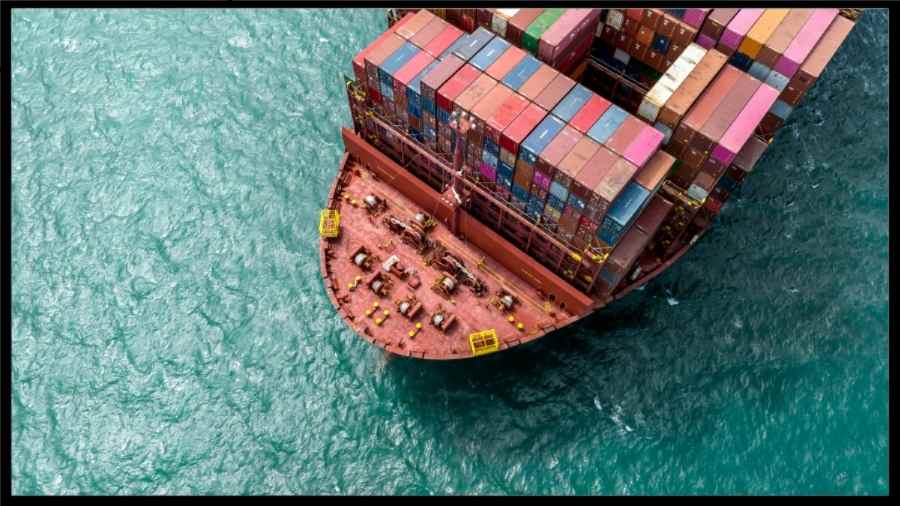
Maersk said this week that the current energy shock tied to the Iran war will not disappear simply because a peace deal is signed. Chief executive Vincent Clerc said the group’s fuel bill has risen by roughly $500 million per month, with bunker prices climbing from about $600 to just under $1,000 per metric ton, and he warned that the energy crisis is likely to last several more months, possibly many more even if diplomacy advances. The company also said the Strait of Hormuz closure has left six Maersk ships trapped in the Gulf, while continued instability has forced vessels to keep avoiding the Red Sea and Suez route in favor of the longer route around Africa.

Maersk’s warning rests on four linked pressures: fuel, trapped ships, Africa rerouting, and the lag between peace and physical normalization The shipping problem is no longer only about whether a deal is signed. It is about how long the energy system stays distorted after that.
Fast reader take Latest shipping signal Operational meaning Commercial consequence Shows up first Closest stakeholders
Fuel cost inflation is already extreme Maersk said bunker prices rose from around $600 to just under $1,000 per metric ton, adding roughly $500 million per month in costs.
$500m monthly hit $600 to ~$1,000 bunker shock
The cost surge has already happened, so the system begins any peace phase from a much more expensive base. Freight costs and customer surcharges can stay elevated even if political tensions cool. Higher bunker adjustment pressure and contract repricing. Carriers, BCOs, freight buyers, procurement teams.
Hormuz reopening would not instantly free the whole system Current energy-market reporting says it would still take weeks for oil shipments to resume and months for the wider market to recover.
slow restart weeks to resume flows months to recover
Physical energy recovery lags political agreements because inventories, shipping queues, and production restart times do not reset overnight. Fuel prices can remain sticky well after peace headlines move financial markets. Continued bunker volatility and weak cost visibility. Shipowners, bunker suppliers, traders, refiners.
Maersk still has ships trapped in the Gulf The company said six of its ships were trapped in the Gulf by the Hormuz closure.
6 ships trapped Gulf exposure
The disruption is not abstract. It is tied to specific assets that cannot simply snap back into normal network rotation. Network balancing and equipment positioning remain under pressure. Schedule dislocation and slower fleet normalization. Maersk, alliance partners, cargo planners, terminals.
The Red Sea effect still matters Maersk said the Middle East situation also keeps it rerouting vessels around Africa instead of through Suez and Bab el-Mandeb.
around Africa Suez disruption Red Sea caution
The company is managing a dual distortion: Gulf energy risk and Red Sea network inefficiency. Transit times and fuel burn remain structurally higher than normal. Longer voyages, tighter rotation efficiency, higher asset demand. Asia-Europe shippers, carriers, ports, equipment planners.
The larger macro threat is delayed demand damage Maersk said the bigger long-run risk is a mix of sustained high energy prices, inflation, and weaker demand.
inflation risk demand risk overcapacity risk
Even if carriers can pass through some costs, a long fuel shock can still weaken the cargo environment later. The industry can move from cost shock into margin compression if demand softens. Volume risk, weaker rates, and pressure on outlook assumptions. Carriers, retailers, manufacturers, investors.

Post-Deal Energy Crunch Tool

This built-in tool measures how strongly the shipping market is likely to feel fuel and routing pressure even after a political settlement. It focuses on the lag between peace headlines and real energy-system normalization.

0
Lag Score
Stage 1
Current Stage
0%
Fuel Persistence
0%
Route Distortion

Live recovery inputs

Adjust the sliders to estimate how long high bunker prices, trapped assets, and longer voyages remain a problem after a peace breakthrough.

How sticky fuel prices still look after peace 0%
Higher values mean bunker costs stay elevated well beyond a diplomatic settlement.
How slowly physical energy flows normalize 0%
Use this for how long it takes oil and fuel shipments to return to more normal patterns.
How much routing disruption still lingers 0%
Higher values mean Hormuz and Red Sea route behavior stay abnormal even after a deal is struck.
How much macro demand risk follows the fuel shock 0%
Raise this if you think inflation and weaker cargo demand become the next-stage problem for carriers.

Live readout

This section converts the energy and routing lag into one single shipping-pressure score so the article can show why peace and normalization are not the same thing.

Energy-lag pressure meter Persistent Crunch
0 / 100 Peace can arrive faster than cost relief.
0%
Overall Lag
0%
Fuel Stickiness
0%
Route Distortion
0%
Macro Risk
Signal
The current Maersk warning points to a post-deal period where shipping still pays wartime-style fuel and routing penalties long after the diplomacy improves.
Stage 1 Quick reset

Peace produces a relatively fast improvement in fuel costs, routing, and cargo planning.

Stage 2 Delayed relief

Politics improve first, but costs and operating patterns take longer to follow.

Stage 3 Persistent crunch

Fuel, flows, and routing remain strained for long enough that carriers and customers continue paying crisis-era penalties.

Stage 4 Extended aftershock

The post-conflict period still carries enough cost and inflation pressure to damage demand and create a second-stage shipping problem.

Market Effect
The core shipping lesson is that political resolution and commercial normalization do not move together. Fuel, inventories, trapped assets, and rerouted networks can keep the system expensive long after the headlines improve.
We welcome your feedback, suggestions, corrections, and ideas for enhancements. Please click here to get in touch.

By the ShipUniverse Editorial Team — About Us | Contact


← Browse more ShipUniverse posts
MARITIME DECISION TOOLS

Practical tools for real vessel and commercial decisions

Browse the latest 24 tools or instantly search every published ShipUniverse maritime tool.

24 latest toolsView all 286 →
TOOL

Port Waste Reception, MARPOL Delivery Notice, Disposal Logistics & Charge Verification Tool

🔔 Subscribe to ShipUniverse Weekly → Port Operations · MARPOL Waste…

Open →
TOOL

Maritime Crew Recruitment, Retention, Manning Agency Fees & Attrition Cost Tool

🔔 Subscribe to ShipUniverse Weekly → ShipUniverse · Fleet Crewing Economics…

Open →
TOOL

Container Rail Intermodal Connection, Terminal Dwell & Train Slot Tool

🔔 Subscribe to ShipUniverse Weekly → Ship-to-Rail · Intermodal Terminal ·…

Open →
TOOL

Bulk Grain Cargo Quality, Fumigation, Hold Readiness & Rejection Exposure Tool

🔔 Subscribe to ShipUniverse Weekly → Cargo quality · Hold inspection…

Open →
TOOL

Marine Equipment OEM Warranty, Service SLA & Repair Claim Tool

🔔 Subscribe to ShipUniverse Weekly → Equipment Reliability · OEM Claims…

Open →
TOOL

Freight Forwarder Shipment Quotation, Buy/Sell Rates, Routing & Margin Tool

🔔 Subscribe to ShipUniverse Weekly → Freight forwarding · NVOCC pricing…

Open →
TOOL

Ro-Ro Vehicle Terminal Yard Capacity, PDI & Vessel Loading Flow Tool

🔔 Subscribe to ShipUniverse Weekly → Vehicle terminals · PCTC &…

Open →
TOOL

Marine Hull & P&I Renewal, Premium Quote, Deductible & Coverage Comparison Tool

🔔 Subscribe to ShipUniverse Weekly → Marine Insurance · Renewal Tender…

Open →
TOOL

Offshore Support Vessel Charter Bid, Utilization & Campaign Profitability Tool

🔔 Subscribe to ShipUniverse Weekly → Offshore commercial operations · PSV…

Open →
TOOL

Marine Repair Tender, Shipyard Bid Comparison & Contract Cost Risk Tool

🔔 Subscribe to ShipUniverse Weekly → Ship Repair Procurement · Yard…

Open →
TOOL

Container Transshipment, Missed Connection, Rollover & Recovery Cost Tool

🔔 Subscribe to ShipUniverse Weekly → Container Liner Networks · Feeder-to-Mother…

Open →
TOOL

Vessel Pre-Purchase Technical Survey, Defect Valuation & Acquisition CAPEX Tool

🔔 Subscribe to ShipUniverse Weekly → Vessel S&P · Technical Due…

Open →
TOOL

Contract of Affreightment, Cargo Nomination, Fleet Allocation & Fulfilment Risk Tool

🔔 Subscribe to ShipUniverse Weekly → Dry Bulk Contracts · Cargo…

Open →
TOOL

Port Pilotage, Tug Dispatch, Berth Window & Marine Services Coordination Tool

🔔 Subscribe to ShipUniverse Weekly → Harbor Operations · Pilotage ·…

Open →
TOOL

Offshore Heavy Lift, Crane Spread, Weather Window & Installation Cost Tool

🔔 Subscribe to ShipUniverse Weekly → Offshore Construction · Heavy Lifts…

Open →
TOOL

Cruise Embarkation, Terminal Security, Gangway Queue & Passenger Processing Tool

🔔 Subscribe to ShipUniverse Weekly → Cruise Operations · Terminal Security…

Open →
TOOL

Dangerous Goods Declaration, Booking Acceptance & Documentation Readiness Tool

🔔 Subscribe to ShipUniverse Weekly → IMDG Documentation · Dangerous Goods…

Open →
TOOL

Marine Salvage, Wreck Removal, Pollution Response & Casualty Cost Tool

🔔 Subscribe to ShipUniverse Weekly → Marine Casualty · Emergency Salvage…

Open →
TOOL

Ferry Route Capacity, Timetable Reliability & Passenger Revenue Tool

🔔 Subscribe to ShipUniverse Weekly → Ferry Networks · Route Planning…

Open →
TOOL

Inland Barge Tow, Lock Delay, Fleet Utilization & Voyage Profitability Tool

🔔 Subscribe to ShipUniverse Weekly → Inland Navigation • Towboat Economics…

Open →
TOOL

Marine Bunker Procurement, Supplier Quote Comparison & Delivered Fuel Cost Tool

🔔 Subscribe to ShipUniverse Weekly → Bunker Procurement • Fuel Grades…

Open →
TOOL

Reefer Cargo Temperature Excursion, Cold Chain & Cargo Claim Exposure Tool

🔔 Subscribe to ShipUniverse Weekly → Reefer Cargo • Temperature Evidence…

Open →
TOOL

Electronic Bill of Lading, Cargo Release & Documentation Discrepancy Tool

🔔 Subscribe to ShipUniverse Weekly → Container Shipping • Digital Trade…

Open →
TOOL

Crew Change, Relief Logistics, Port Coordination & Cost Tool

🔔 Subscribe to ShipUniverse Weekly → Fleet Crewing • Seafarer Repatriation…

Open →