
SHIPUNIVERSE
Maritime Intelligence, Tools & Live Industry Radars

One place for live maritime intelligence, practical decision tools, industry events and focused reporting.

17Live Radars 286Maritime Tools
24/7Intelligence Focus
GlobalIndustry Coverage
RADARS
TOOLS
All Tools
Latest 20
Open to load latest items…
NEWS
All News
Latest 20
Open to load latest items…
REPORTS
All Reports
Latest 20
Open to load latest items…
TECH
All Tech
Latest 20
Open to load latest items…
CRUISE
All Cruise
Latest 20
Open to load latest items…
NAVAL
All Naval
Latest 20
Open to load latest items…
SHIPUNIVERSE REPORTING

Reports, news and industry coverage

Full analysis in the ShipUniverse intelligence layout.

← Back to latest posts ShipUniverse / NEWS

MSC keeps buying as secondhand spree tightens charter supply while rates cool

🔔 Subscribe to ShipUniverse Weekly →

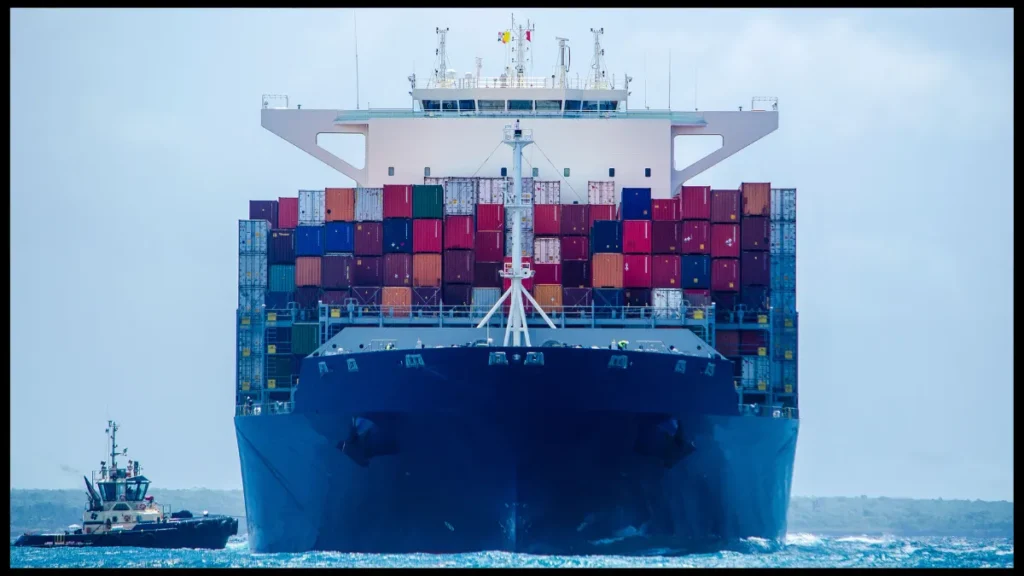
Fresh market reporting continues to link MSC to steady secondhand acquisitions across sizes, including mid-size ships that matter for weekly network coverage. The practical effect is less about one headline purchase and more about pace: ships that might have recycled through the charter pool are being absorbed into an end-user fleet, which can firm availability and keep asset values supported even when freight sentiment softens.

Click here for 30 second summary

MSC keeps buying ships, and the charter market feels it later

Recent reporting links MSC to continued secondhand container ship acquisitions, including workhorse mid-size tonnage. The shipping impact is less about the headline count and more about what happens at redelivery: ships purchased with charters attached can roll straight into MSC deployment instead of returning to the open charter pool.

  • The mechanism that tightens availability
    When end-users absorb secondhand ships, fewer units circulate back into “prompt” availability, which can firm charter terms in specific size bands.
  • Network planning
    Mid-size ships are the practical building blocks for weekly strings and regional relay, so absorption can reduce flexibility for carriers and charterers who rely on the open market.
  • What to watch next
    The tell is pace plus mix: how many buys continue, what sizes they target, and whether those ships reappear externally at charter expiry or stay inside owned fleets.
Bottom line
MSC’s secondhand spree is best read as a “circulation” story: the more ships pulled into a controlled fleet, the fewer ships re-offer into the charter market, shaping availability and pricing even when freight sentiment softens.
MSC’s secondhand buying stays active, pulling useful tonnage out of circulation
Signal What moved (fast facts) Where it hits the market Immediate read-through
Acquisition tempo Alphaliner-cited reporting put MSC at 43 secondhand boxship buys since January (at that time). S&P → owned fleet, reducing the pool of “open” ships that would otherwise rotate through charters. Supports asset prices and tightens prompt availability in specific size bands.
Panamax pull Example cited: Navios Magnolia (4,730 teu, built 2008) reported bought for ~$35m, with time charter to COSCO into H2 2026. Panamax/“workhorse” tonnage is heavily chartered; purchase shifts who controls optionality once charter ends. Fewer ships likely to re-offer promptly into the charter market.
Feedermax pull Example cited: Charm C (2,500 teu, built 2009) reported bought for ~$25m, expected to join MSC after an existing Maersk charter (Q1 next year timing cited). Feeder/feedermax ships are network “glue” for ports and relay strings; ownership can matter for redeployment. Local availability can tighten when end-users absorb these units.
Large-ship angle A 14,000 teu newbuilding contract novation was disclosed at a total consideration of $170m, with MSC-linked buyer entity (Blue Anchor / MSC-owned) cited. Resales/novations can be “instant capacity” versus waiting for fresh slots, and can change the near-term delivery mix. Signals continued appetite for neo-panamax capacity alongside smaller ship buys.
Pricing tone Alphaliner-cited commentary: secondhand prices described as staying strong despite softer freight and rising overcapacity talk. Firm S&P pricing raises replacement cost and can keep older tonnage “in play” longer. Owners may stay confident on values; charterers may see fewer “cheap” prompt options.
Scale context Industry analysts have pointed to MSC’s growth being heavily secondhand-driven, alongside a large newbuild pipeline. Competitive capacity “chess” is partly about controlling tonnage quickly, not only ordering newbuilds. Adds pressure on rivals relying on the charter market for flexible coverage.

MSC’s secondhand pace is changing the feel of “available” ships

A steady run of purchases does two things at once: it locks tonnage into an end-user fleet, and it reduces the amount of optionality that normally returns to the charter pool after a time charter ends. The market effect is most visible in the practical size bands that keep weekly service strings together.

Deal flow ships absorbed, not recycled
Charter pool less re-offer risk
Mid-size focus workhorse tonnage matters
Competitive posture capacity control, fast

Deal markers from recent reporting

The story is momentum plus mix. Recent coverage has pointed to December purchases continuing, and separate analyst summaries have highlighted specific feeder and panamax acquisitions with existing charters attached, plus a large newbuilding novation into an MSC-owned entity.

Recent pace indicator

At least 8 ships in December (reported)

A pace signal, not a full census. Use it as “how active is the buyer” rather than a final total.

Year-to-date marker (at the time cited)

43 secondhand buys since January (analyst-cited)

Helps explain why prompt ships feel scarcer even when freight tone softens.

Example: panamax deal terms

Navios Magnolia: ~4,730 teu, ~US$35m

Reported as staying on time charter until H2 2026, which delays any “re-offer” to the open market.

Example: feedermax deal terms

Charm C: ~2,500 teu, ~US$25m

Reported as entering MSC service after an existing charter concludes in early 2026.

The important market mechanism is not the purchase itself, it is what happens at redelivery: if the ship shifts directly into MSC deployment, the charter market never sees it as “open prompt tonnage.”

How a purchase tightens availability without “new demand”

1

Buy a ship that is already chartered

Cash changes hands, but the ship keeps trading. Market impact shows up later, at charter expiry.

2

Charter expiry becomes a decision point

Owner optionality shifts. A ship that might have been re-fixed externally can be pulled directly into the owner’s network.

3

Less tonnage re-enters the “open” pool

Fewer ships circulate. Charterers see fewer prompt options, especially in workhorse sizes.

4

Values can stay firm longer

Scarcity supports pricing. Even with softer freight expectations, the asset market can remain resilient if end-users keep absorbing supply.

Large-ship angle

A separate disclosure-driven case shows how “instant capacity” can also arrive via novation: a 14,000 teu ship under construction was novated to an MSC-owned entity at a total consideration of US$170m, including a reported premium above the original contract price.

Charter Pool Absorption Calculator

Translate secondhand buying into a simple “availability squeeze” lens for a specific size band. Defaults are placeholders so you can tune them to your lane, vessel class, and what you see in the market.

Expected ships removed from re-offer

3.4

Acquired × chartered share × re-offer share.

TEU withheld from re-offer

15,300

Removed ships × average teu.

Tightness index

17

Removed ships as % of your estimated open pool.

Quarterly “return window” estimate

1.1

How many might have returned each quarter, before absorption.

Availability feel

Firmer

A plain-language indicator derived from the index.

Time factor

9 months

Longer time pushes effects out, but it can still shape forward cover.

Bars: open pool vs “withheld from re-offer” (your assumptions)

This is a planning lens, not a market total. Use it to describe direction and sensitivity, especially when ships are purchased with charters attached.

MSC’s secondhand campaign is being watched less as a single set of deals and more as a sustained pattern: ships bought with charters attached can quietly reduce how much tonnage returns to the open market at redelivery, and that can keep “prompt availability” feeling tighter in practical mid-size segments. Recent analyst-cited reporting has also highlighted named feeder and panamax purchases with redelivery timing baked in, while corporate disclosures show MSC-linked entities continuing to take large capacity via novation, reinforcing the view that the group is still prioritizing fast control of tonnage across multiple size bands.

We welcome your feedback, suggestions, corrections, and ideas for enhancements. Please click here to get in touch.
By the ShipUniverse Editorial Team — About Us | Contact


← Browse more ShipUniverse posts
MARITIME DECISION TOOLS

Practical tools for real vessel and commercial decisions

Browse the latest 24 tools or instantly search every published ShipUniverse maritime tool.

24 latest toolsView all 286 →
TOOL

Port Waste Reception, MARPOL Delivery Notice, Disposal Logistics & Charge Verification Tool

🔔 Subscribe to ShipUniverse Weekly → Port Operations · MARPOL Waste…

Open →
TOOL

Maritime Crew Recruitment, Retention, Manning Agency Fees & Attrition Cost Tool

🔔 Subscribe to ShipUniverse Weekly → ShipUniverse · Fleet Crewing Economics…

Open →
TOOL

Container Rail Intermodal Connection, Terminal Dwell & Train Slot Tool

🔔 Subscribe to ShipUniverse Weekly → Ship-to-Rail · Intermodal Terminal ·…

Open →
TOOL

Bulk Grain Cargo Quality, Fumigation, Hold Readiness & Rejection Exposure Tool

🔔 Subscribe to ShipUniverse Weekly → Cargo quality · Hold inspection…

Open →
TOOL

Marine Equipment OEM Warranty, Service SLA & Repair Claim Tool

🔔 Subscribe to ShipUniverse Weekly → Equipment Reliability · OEM Claims…

Open →
TOOL

Freight Forwarder Shipment Quotation, Buy/Sell Rates, Routing & Margin Tool

🔔 Subscribe to ShipUniverse Weekly → Freight forwarding · NVOCC pricing…

Open →
TOOL

Ro-Ro Vehicle Terminal Yard Capacity, PDI & Vessel Loading Flow Tool

🔔 Subscribe to ShipUniverse Weekly → Vehicle terminals · PCTC &…

Open →
TOOL

Marine Hull & P&I Renewal, Premium Quote, Deductible & Coverage Comparison Tool

🔔 Subscribe to ShipUniverse Weekly → Marine Insurance · Renewal Tender…

Open →
TOOL

Offshore Support Vessel Charter Bid, Utilization & Campaign Profitability Tool

🔔 Subscribe to ShipUniverse Weekly → Offshore commercial operations · PSV…

Open →
TOOL

Marine Repair Tender, Shipyard Bid Comparison & Contract Cost Risk Tool

🔔 Subscribe to ShipUniverse Weekly → Ship Repair Procurement · Yard…

Open →
TOOL

Container Transshipment, Missed Connection, Rollover & Recovery Cost Tool

🔔 Subscribe to ShipUniverse Weekly → Container Liner Networks · Feeder-to-Mother…

Open →
TOOL

Vessel Pre-Purchase Technical Survey, Defect Valuation & Acquisition CAPEX Tool

🔔 Subscribe to ShipUniverse Weekly → Vessel S&P · Technical Due…

Open →
TOOL

Contract of Affreightment, Cargo Nomination, Fleet Allocation & Fulfilment Risk Tool

🔔 Subscribe to ShipUniverse Weekly → Dry Bulk Contracts · Cargo…

Open →
TOOL

Port Pilotage, Tug Dispatch, Berth Window & Marine Services Coordination Tool

🔔 Subscribe to ShipUniverse Weekly → Harbor Operations · Pilotage ·…

Open →
TOOL

Offshore Heavy Lift, Crane Spread, Weather Window & Installation Cost Tool

🔔 Subscribe to ShipUniverse Weekly → Offshore Construction · Heavy Lifts…

Open →
TOOL

Cruise Embarkation, Terminal Security, Gangway Queue & Passenger Processing Tool

🔔 Subscribe to ShipUniverse Weekly → Cruise Operations · Terminal Security…

Open →
TOOL

Dangerous Goods Declaration, Booking Acceptance & Documentation Readiness Tool

🔔 Subscribe to ShipUniverse Weekly → IMDG Documentation · Dangerous Goods…

Open →
TOOL

Marine Salvage, Wreck Removal, Pollution Response & Casualty Cost Tool

🔔 Subscribe to ShipUniverse Weekly → Marine Casualty · Emergency Salvage…

Open →
TOOL

Ferry Route Capacity, Timetable Reliability & Passenger Revenue Tool

🔔 Subscribe to ShipUniverse Weekly → Ferry Networks · Route Planning…

Open →
TOOL

Inland Barge Tow, Lock Delay, Fleet Utilization & Voyage Profitability Tool

🔔 Subscribe to ShipUniverse Weekly → Inland Navigation • Towboat Economics…

Open →
TOOL

Marine Bunker Procurement, Supplier Quote Comparison & Delivered Fuel Cost Tool

🔔 Subscribe to ShipUniverse Weekly → Bunker Procurement • Fuel Grades…

Open →
TOOL

Reefer Cargo Temperature Excursion, Cold Chain & Cargo Claim Exposure Tool

🔔 Subscribe to ShipUniverse Weekly → Reefer Cargo • Temperature Evidence…

Open →
TOOL

Electronic Bill of Lading, Cargo Release & Documentation Discrepancy Tool

🔔 Subscribe to ShipUniverse Weekly → Container Shipping • Digital Trade…

Open →
TOOL

Crew Change, Relief Logistics, Port Coordination & Cost Tool

🔔 Subscribe to ShipUniverse Weekly → Fleet Crewing • Seafarer Repatriation…

Open →