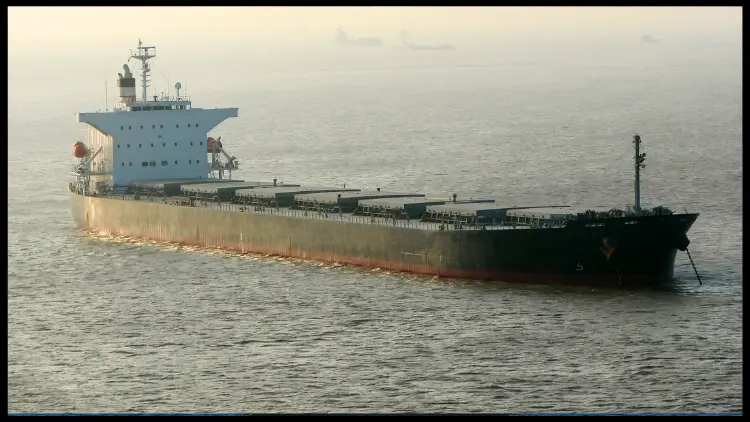
Repeated Ukrainian drone strikes have shut down Russia's fuel export hub at Tuapse, one of Moscow's main oil outlets on the Black Sea. A major attack damaged terminal infrastructure and at least one merchant vessel, forcing fuel exports to stop and halting crude processing at Rosneft's nearby 240 thousand barrel per day refinery. In the days since, more sea drone raids have been reported against the port area while several tankers that were loading have been moved offshore. For shipowners this means higher operational risk on Black Sea calls, disruption to loading programs, and potential knock-on shifts in tanker employment and insurance pricing.
| Port Of Tuapse Under Repeated Drone Attack: Industry Impact |
| Item |
Summary |
Business Mechanics |
Bottom-Line Effect |
| Pattern of attacks |
Since early November 2025 Ukrainian sea and air drones have struck the Tuapse oil terminal and port area more than once, with fires reported and at least one merchant vessel damaged alongside. Fresh attacks overnight on November 9 to 10 damaged pier structures and triggered a high alert while Russian forces claimed to destroy several incoming drone boats.
|
Tuapse has shifted from a routine loading port to an active conflict target. Each new strike raises perceived risk for ships calling and heightens the chance of further operational stoppages.
|
⚠️ Owners trading to Tuapse face higher physical risk and more disruption; charterers may look to alternative load ports or insert tighter safety clauses.
|
| Fuel exports and refinery status |
Following the November strikes, fuel exports from Tuapse were suspended and the adjacent Rosneft refinery stopped processing crude because of damage to port infrastructure. Five days later sources and tracking data still showed no fuel exports resuming.
|
The refinery is export oriented, with a nameplate capacity around 240 thousand barrels per day that normally produces naphtha, fuel oil, vacuum gas oil and high sulfur diesel for buyers in China, Malaysia, Singapore and Turkey.
|
📉 Loss of loadings reduces near term demand for ships at Tuapse but supports product prices and can tighten tanker employment on replacement routes.
|
| Role in export system |
Tuapse is a key Russian Black Sea fuel export outlet and hosts the country’s only refinery on that coast. The deepwater terminal can handle Aframax size ships and is set up for large volumes of oil products.
|
When Tuapse is offline, Russian exporters must push more volumes through other Black Sea ports, Baltic outlets or rail routes, all of which have capacity and distance constraints.
|
📈 Longer alternate routings can add ton miles for some tankers; 📉 structural damage at Tuapse reduces one high volume loading option for owners.
|
| Tankers at or near the port |
At the time of the main November strike several tankers were reported loading naphtha, diesel and fuel oil and were later moved to anchor offshore. Earlier reporting also described damage to foreign flagged merchant ships alongside during a prior attack.
|
Ships in port during strikes can be forced off the berth, delayed for inspections or repairs, and may face charter party disputes over time lost or partial cargoes.
|
📉 Idle days and potential hull damage are direct owner costs; 📈 new safety premiums may be achievable for ships willing to trade under stricter conditions.
|
| War risk, insurance and routing |
With Tuapse now a repeat target, underwriters are re-assessing war risk pricing and conditions for Black Sea voyages in that area. Russian sources reported four Ukrainian drone boats destroyed near the port in the latest attack, underlining that the threat zone extends beyond the harbor itself.
|
Insurers can tighten terms for calls at Tuapse and nearby approaches, while some owners may demand higher premiums or refuse fixtures that include the port. Others will reroute ships to less exposed terminals.
|
📉 Higher insurance and security overheads per voyage; 📈 potential uplift in freight for ships and owners still willing to serve higher risk ports.
|
| Cargo flows and substitute ports |
Tuapse had been expected to raise fuel exports in November before the attack. With export flows halted, Russia is likely to redirect some product volumes to other Black Sea and Baltic ports where possible, or reduce exports temporarily.
|
Substitute ports may see more nominations and congestion, while some cargoes are deferred or canceled. This shifts voyage demand between basins and can increase ballast legs.
|
🔁 Mixed effect for owners: fewer fixtures at Tuapse, but possible tighter markets and longer voyages out of alternative hubs.
|
| Environmental spill risk |
Reports after the early November strike described an oil slick in the Black Sea near Tuapse, extending a few kilometers from the port area, adding to a series of spills linked to regional attacks in recent months.
|
Spills increase pressure from coastal states and regulators around safety zones, routing limits and clean up responsibilities and may lead to tighter controls on ship movements near the terminal.
|
📉 Higher compliance burdens and possible routing restrictions for ships in the affected zone; potential reputation risk for involved owners.
|
| Political and sanctions overlay |
The strikes on Tuapse form part of a wider Ukrainian campaign to hit Russian refineries and oil export infrastructure that are seen as central to funding the war. This comes on top of sanctions that already shape how and where Russian oil trades.
|
Charterers and banks are likely to scrutinize Tuapse related business even more closely, raising the bar on documentation, pricing, and acceptable counterparties in the region.
|
📉 Higher transaction friction for trades linked to Tuapse; 📈 relative advantage for fleets with strong compliance frameworks and established vetting.
|
|
Notes: Data reflect public reporting and official releases on drone strikes and shutdowns at Tuapse. Fuel export suspension, refinery stoppage and refinery capacity based on industry sources and agency reports.
|
The attacks on Tuapse turn a core Black Sea fuel outlet into an uncertain loading point. With exports halted and the refinery offline, owners and charterers are weighing higher insurance and security costs against the freight opportunities created by rerouted cargoes. How long operations remain constrained, and how much volume migrates to other ports, will decide whether this moment is a brief disruption or a lasting shift in Black Sea tanker employment.