U.S. LNG Returns to China as Direct Cargo Trade Reopens After a Long Freeze
🔔 Subscribe to ShipUniverse Weekly →
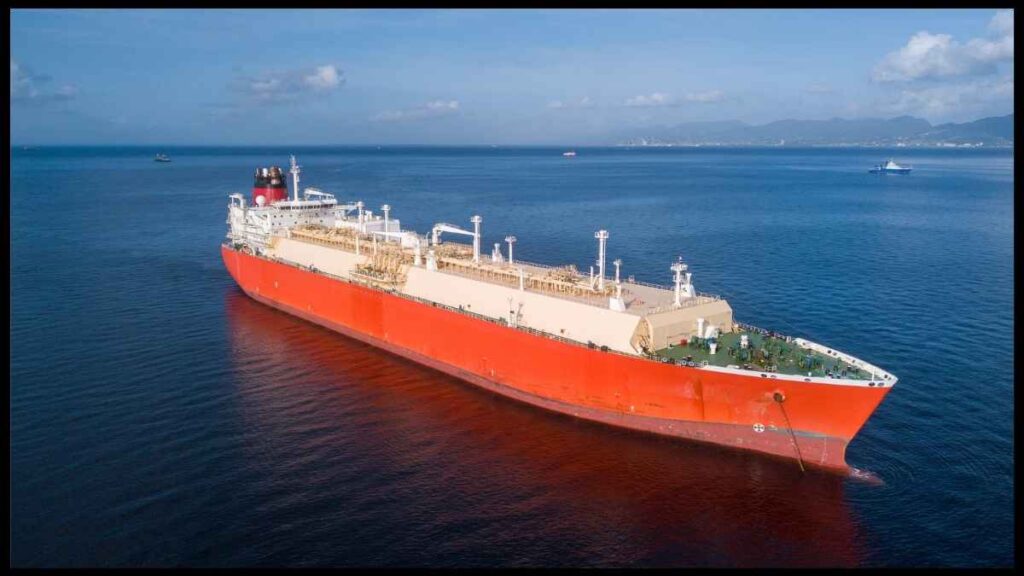
Direct U.S. LNG shipments are heading to China again after roughly a year without regular cargo movement between the two sides. Recent reporting says three LNG carriers, Umm Al Hanaya, Al Sailiya, and Id'Asah, loaded cargoes from Louisiana and are expected to reach Tianjin between June 15 and June 20, making them the first direct U.S.-to-China LNG deliveries since February 2025. The restart comes after a long period in which tariffs, trade tensions, cargo rerouting, and changing Asian supply dynamics pushed Chinese buyers away from taking U.S. LNG directly into China. The new sailings do not mean the trade is fully normalized, but they do show that the direct route has reopened at least for a limited number of cargoes.
| Fast reader take | Latest confirmed signal | Operational meaning | Commercial consequence | Shows up first | Closest stakeholders |
|---|---|---|---|---|---|
| Direct trade is restarting, not just being discussed |
Three LNG carriers have departed Louisiana and are scheduled to discharge in Tianjin in mid-June.
3 cargoes
Louisiana loadings
Tianjin arrivals
|
The route is functioning again at least for selected cargoes, which is more meaningful than policy talk alone. | Buyers, traders, and portfolio players can again consider direct U.S.-to-China delivery instead of automatic rerouting. | Shipping schedules, discharge planning, and destination confidence. | LNG carriers, Chinese buyers, U.S. exporters, terminal operators. |
| The pause was long enough to matter strategically |
The new deliveries are described as the first direct U.S. LNG shipments to China since February 2025.
since Feb. 2025
year-long pause
direct trade freeze
|
The break was not a brief scheduling gap. It was a meaningful interruption in bilateral LNG flow. | Contract behavior, portfolio hedging, and buyer trust all had time to adjust away from routine direct U.S. supply. | More destination flexibility use and fewer straight-line U.S.-China voyages. | Portfolio traders, contract managers, Chinese importers, U.S. liquefaction sellers. |
| Tariffs and politics were central to the freeze |
Recent reporting says tariffs and broader trade tensions sharply curtailed China’s purchases of U.S. energy, including LNG.
tariffs
trade tensions
energy diplomacy
|
The shipping route was interrupted by policy and geopolitics, not just by freight economics. | Future cargo flow still depends on political stability as much as on commodity price signals. | Commercial hesitation around medium-term trade assumptions. | Governments, energy traders, charterers, long-term LNG buyers. |
| Long-term contracts kept the relationship alive underneath the pause |
Chinese firms continued holding long-term offtake links with U.S. suppliers such as Cheniere and Venture Global even while direct imports stalled.
long-term contracts
Cheniere
Venture Global
|
The trade link was stressed, but not severed at the contractual level. | That gave the market a base for resumed cargo flow once conditions improved enough to support direct delivery again. | Destination optimization and portfolio reshuffling rather than wholesale contract collapse. | Offtakers, portfolio managers, U.S. LNG producers, lenders. |
| China has been leaning harder on other gas sources |
Recent reporting says China increased reliance on pipeline supply from Russia and Central Asia while direct U.S. LNG shipments were absent.
Russia pipeline gas
Central Asia
supply substitution
|
The reopening does not happen in an empty market. China already adjusted its supply stack during the pause. | Direct U.S. LNG can return without fully regaining its earlier strategic role in China’s gas mix. | More selective buying rather than automatic volume recovery. | Chinese utilities, pipeline suppliers, portfolio LNG traders. |
| The near-term rebound may still be limited |
Market analysis says the immediate impact could stay modest even if political dialogue improves and more U.S. cargoes become viable.
limited near-term impact
gradual restart
not full normalization
|
The market may reopen in increments, not in a rapid surge back to earlier peak volumes. | Freight and portfolio planning should treat this as an important signal, but not yet as a full trade reset. | Measured recovery in fixtures and destination commitments. | Shipowners, LNG traders, import desks, gas buyers. |
U.S.-China LNG Restart Tool
This built-in tool measures whether the latest cargoes look like a symbolic reopening or the start of a more durable trade reset. It combines cargo flow, political thaw, contract resilience, and substitution pressure into one live score.
Live restart inputs
Adjust the sliders to estimate whether the resumed cargoes mark a durable reopening or only a narrow resumption of direct U.S.-China LNG trade.
Live readout
This section converts the resumed cargoes into one market score showing whether the trade is reopening convincingly or only partially.
The current sailings look important because they restore direct lane activity, but they still fall short of proving that U.S.-China LNG trade has fully normalized.
Direct cargoes have resumed, but the market still treats them mostly as symbolic or tactical moves.
The route is meaningfully back in use, though political and supply-side limits still hold the recovery down.
More direct cargoes and stronger policy support start making the route look commercially dependable again.
Direct U.S.-China LNG flows regain enough consistency that the market treats the pause as historical rather than ongoing.
The practical question is not whether one, two, or three cargoes can move. It is whether direct U.S.-China LNG trade can again become regular enough to influence long-term freight planning, portfolio strategy, and buyer confidence.
We welcome your feedback, suggestions, corrections, and ideas for enhancements. Please click here to get in touch.