
🔔 Subscribe to ShipUniverse Weekly →
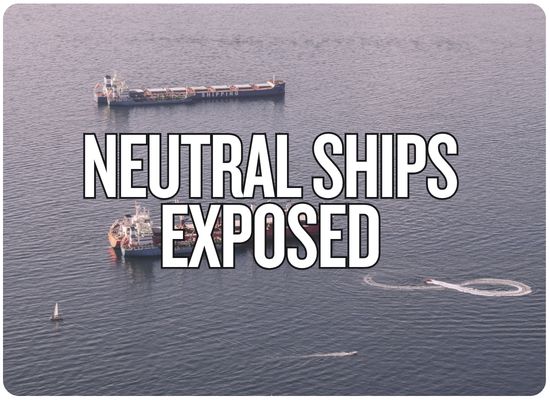
The U.S. District Court for the Southern District of Texas has adopted a new 30-page set of Prize Rules and Standing Interrogatories, creating modern court procedures for determining whether ships, cargoes and other property captured by U.S. forces during armed conflict may be condemned as wartime prize. The rules became effective September 23, 2026, although the court is still accepting public comments through October 23. They do not themselves authorize the Navy to seize ships, but they create the judicial machinery needed after a capture occurs. Under longstanding U.S. naval-war rules, even a neutral-flag merchant vessel can become liable to capture for conduct such as carrying contraband, breaching or attempting to breach a lawful blockade, performing certain services for an enemy, resisting visit and search or concealing its true status. Federal district courts have exclusive jurisdiction over U.S. prize-condemnation proceedings.
Neutral Flag Does Not Always Mean Immune From Wartime Capture
Prize law is different from sanctions forfeiture. It operates under the law of armed conflict and asks whether a captured vessel, cargo or other maritime property was legally subject to wartime capture.
The Ship Is Only One Layer of the Prize Case
Modern ownership, financing, chartering and insurance structures can put many companies behind a single voyage. The Texas rules give some interests a direct path into court and leave others with less certain standing.
| Stakeholder | Immediate Exposure | Direct Prize Claim? | Critical Evidence | Potential Commercial Loss | Procedural Issue | Operational Consequence |
|---|---|---|---|---|---|---|
| Registered / Beneficial Owner Vessel title | Entire vessel may remain detained while condemnation is litigated. | Yes. Rule 35 expressly allows lawful ownership claims supported by a verified statement. | Registry, bills of sale, beneficial ownership, financing records, historical transfers, flag documentation and voyage instructions. | Vessel value, earnings, loss of use, contractual liabilities, financing default and possible permanent condemnation. | Ownership must be established quickly and under oath. False or incomplete ownership structures can become central evidence. | Corporate ownership transparency moves from sanctions-compliance concern to potential wartime title evidence. |
| Cargo Owner Goods onboard | Cargo may be independently treated as prize even when ship ownership is neutral. | Yes, if the claimant establishes ownership of the specific cargo. | Bills of lading, sales contract, title passage terms, consignee, end user, commodity specification and payment records. | Full cargo value, interruption of supply, replacement cost and downstream contractual exposure. | Standing interrogatories specifically examine cargo ownership, consignee identity, enemy ownership and possible contraband status. | Destination and end use can matter as much as commodity description. |
| Mortgagee / Secured Lender Perfected security | Collateral can be immobilized, sold or condemned while debt remains outstanding. | Potentially yes. Rule 35 expressly recognizes properly perfected or secured creditor claims. | Mortgage registration, security documents, perfection records, debt balance and priority evidence. | Impaired collateral, acceleration rights and potentially disputed priority in proceeds. | Perfection becomes crucial because the rule distinguishes secured creditors from broader commercial creditors. | War-risk due diligence may increasingly reach vessel employment and cargo destination. |
| Charterer Voyage / time / bareboat exposure | Voyage stops immediately and contractual obligations can continue even without direct title to the vessel. | Uncertain under the new rule unless the charterer's interest also amounts to ownership or a qualifying perfected security interest. | Charterparty, voyage orders, sanctions clauses, war-risk clauses, safe-port provisions and communications with owner/master. | Lost freight, replacement tonnage, demurrage disputes, cargo claims and termination exposure. | Economic loss alone may not create the same direct intervention right afforded to owners or secured creditors. | Route-selection decisions can create legal consequences well beyond ordinary sanctions screening. |
| Hull / War / P&I Insurer Coverage exposure | Capture, detention and confiscation can trigger specialized policy language and exclusions. | Not automatically. Direct standing may depend on ownership, subrogation or another legally perfected interest. | Policy wording, insured voyage, premium, notice, sanctions clauses, war-risk terms and subrogation rights. | Hull loss, detention expense, liabilities, defense costs and aggregation questions. | The court's standing interrogatories specifically ask whether the ship is insured, for which voyage, at what premium and by whom. | Underwriters may need much deeper pre-voyage visibility into cargo and end-use risk. |
| Bunker / Service Supplier Unsecured receivable | Vessel detention can freeze the commercial platform from which payment would normally be recovered. | Potentially weak if the supplier has only an unsecured contractual claim. | Supply contracts, lien status, invoices, jurisdiction and security documentation. | Unpaid receivables and reduced ability to enforce against the vessel. | Rule 35's language may make ordinary unsecured economic interests more difficult to assert directly in the prize action. | Suppliers dealing with high-risk trading fleets may reassess credit exposure. |
| Master & Crew Witnesses and operational record | Crew may be questioned shortly after capture about ownership, cargo, voyage, communications and shipboard records. | Normally not a property claimant merely because of employment onboard. | Logbooks, voyage orders, AIS history, communications, manifests and personal knowledge of loading and transfers. | Detention, repatriation delay, wage questions and personal disruption. | The Texas rules contemplate recorded standing interrogatories conducted near the time of capture. | Master and crew statements may become foundational evidence before commercial parties can assemble their own litigation record. |
Wartime Merchant Vessel Capture Screener
Screen a hypothetical voyage against several capture factors identified in U.S. naval guidance and the new Texas prize procedure. It does not determine whether a capture would be lawful.
We welcome your feedback, suggestions, corrections, and ideas for enhancements.
Please click here to get in touch