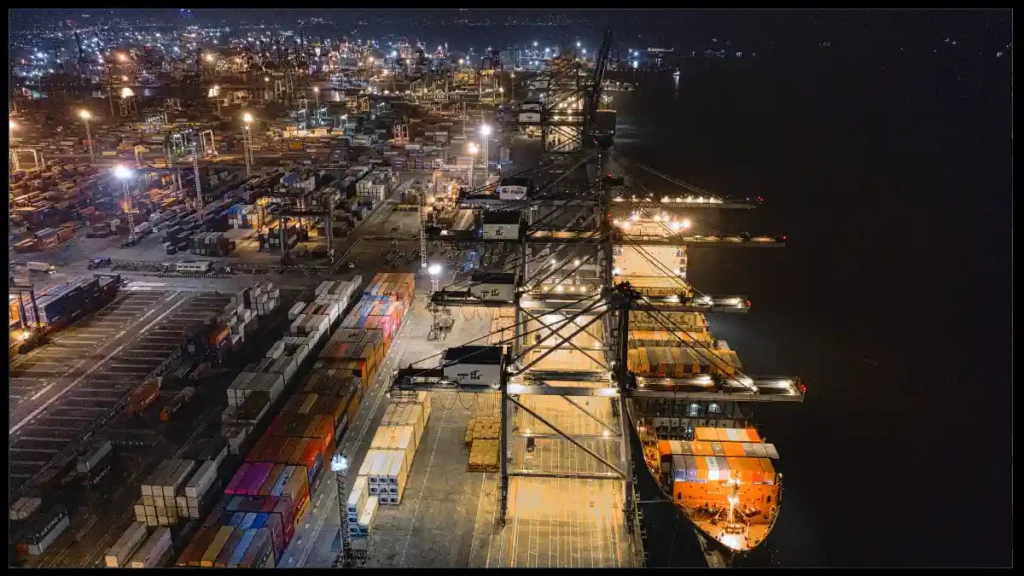
Washington and Beijing agreed to suspend the new reciprocal port fees on each other’s ships for 12 months, easing call costs and operational friction while trade talks continue; industry bodies welcomed the move, though timing and implementation details are still being clarified and carriers may keep existing deployments until rule text lands.
US–China Port Fee Pause: Industry Impact
Story Element
Summary
Business Mechanics
Bottom-Line Effect
Scope and duration
US and China suspend the recently introduced reciprocal port fees on each other’s vessels for 12 months while broader trade discussions continue.
Fee line items removed during the pause; monitoring for official notices and effective dates by port/agency.
📈 Direct call-cost relief where fees were not contractually passed through; smoother port planning.
Timing & admin clarity
Industry reports welcome the deal but note uncertainty on exact start dates, invoicing cutover, and any refunds for fees already assessed.
📉 Short-term admin burden; 📈 once clarified, fewer disputes and cleaner P&L attribution.
Containers: call costs & schedules
Lower fee friction reduces incentives to reroute purely to avoid levies. Carriers may still keep current deployments until rules are formalized.
Update rotation models; reprice call-cost assumptions; check contract language on fee pass-throughs.
📈 Modest margin lift on affected strings; lower volatility on port selection and cut-and-run decisions.
Tankers & bulk: voyage economics
For tramp trades into US or China, fewer add-on port charges simplify TCE calculations and reduce last-minute port switches driven by fees.
Revise port cost templates and laytime estimates; align charter-party clauses referencing surcharges.
📈 Cleaner TCEs and fewer operational detours linked to fee avoidance.
Contracts & pass-through
Where port fees were passed through to shippers, owner benefit is smaller; where owners absorbed them, relief drops to the bottom line.
Audit bills of lading, service contracts, and CP clauses; remove temporary surcharges where applicable.
📈 Net margin uplift varies by pass-through structure and trade lane.
Ports, terminals, and agents
Agents will adjust pro formas and PDAs; ports may issue guidance on suspending collection and reversing pending invoices.
Confirm with local agents; reconcile open PDAs; ensure documentation for audits.
📈 Reduced reconciliation time and fewer disputes; lower working-capital drag.
Risks and caveats
Pause is temporary and could lapse or change if talks sour. Other trade measures remain in place and can still influence routing and demand.
Scenario plan for reinstatement; keep alternative rotations and pricing contingencies ready.
📉 Reversal risk would reintroduce costs and uncertainty; maintain optionality.
What to watch next
Official circulars confirming effective dates, scope, and any tariff tie-ins; carrier advisories on network adjustments; shipper behavior on routing.
Track notices from customs, transport ministries, and port authorities; update internal cost libraries promptly.
📈 Best outcomes come from fast implementation and clear billing rules.
Notes: Financial impact depends on pass-through terms, lane mix, and the timing of implementing circulars.
📈 Winners
📉 Losers
Owners with frequent US–China calls where fees were not fully pass-through: direct call-cost relief during the pause window.
Liner operators on mainline Asia–US strings: fewer fee-driven rotation edits and cleaner PDAs improve schedule stability.
Charterers and owners with flexible contract language: quick removal of temporary surcharges supports margins.
India-focused carriers and feeder operators: multi-year port and logistics investment points to faster turns and better reliability.
Container ship lessors and liners: spot rate uptick lifts time-charter and voyage earnings on key corridors.
Compliant crude and product tanker fleets: sanctions reshuffle routes and extend tonne-miles on replacement barrels.
Brokerages and P&I with strong compliance tooling: higher demand for vetted fixtures and risk services.
COSCO and aligned Chinese yards and suppliers: order programme secures slots and spec leverage.
NYK Bulkship Partners and counterparties: scale in chartering and operations can reduce opex per ship and improve utilization.
Owners planning retrofits and automation upgrades: a standalone Kongsberg Maritime may accelerate product cycles and integration support.
Ports and agents implementing the fee pause cleanly: fewer disputes and faster invoice reconciliation.
Shippers with tariff relief on specific HS lines: improved landed costs can support volumes and lift liftable demand.
Owners whose contracts pass all port fees through: limited direct margin benefit from the fee pause.
Opaque sanction-linked fleets and grey STS operators: tighter vetting, insurance friction, and detention risk reduce employability.
Late-cycle buyers in segments targeted by new orders: future supply arrivals can pressure rates when deliveries ramp.
Small bulker operators competing with NYK scale: tougher chartering competition and potential rate undercut risk.
Transshipment hubs that lose India gateway cargo: diversion of volumes toward expanded Indian terminals.
Box shippers on short coverage during spot firmness: higher all-in freight costs where contracts do not shield exposure.
Owners mid-upgrade with legacy vendor stacks: a quicker Kongsberg roadmap can shorten obsolescence cycles for rivals.
Rivals seeking near-term Chinese yard slots: large programmes tighten availability and bargaining power.
Counterparties that kept temporary surcharges in place: risk of dispute or clawback as fee line items are removed.
Traders reliant on Russia flows without strong compliance: rerouting costs, delays, and banking limitations hit margins.
Forwarders that locked low-rate commitments: margin squeeze if spot recovery outruns hedges.
Owners exposed to early policy reversals: if fees or tariffs snap back, call costs and planning uncertainty return quickly.
Call-Cost Exposure Ladder
Segment
Relative exposure to US–China port fee line items
Weekly mainline containers
High call frequency and standardised port pro formas
Feeder and transshipment boxes
Multiple short-sea calls amplify fee sensitivity
Product/crude tankers (spot)
Voyage-by-voyage exposure; fewer fixed rotations
Dry bulk tramp
Irregular calls and varied port selection
MPP/heavy-lift
Lower call frequency; project-led routes
Directional only. Actual benefit depends on pass-through terms, port mix, and call cadence.
Billing Change Map
PDA/Billing bucket
What to verify
Status
Government levies/reciprocal port fees
Suspension applied from effective date; line item removed or set to zero; no double charging across cutover
Likely removed during pause
Port dues, pilotage, towage
Unrelated statutory or port-tariff items remain; check latest port circulars for any local changes
Unchanged
Terminal THC/handling
Terminal handling charges are separate; confirm no miscoding as “reciprocal fees”
Unchanged
Surcharges on BL/service contracts
Remove temporary “reciprocal fee” surcharges; align with change-of-law/pass-through clauses
Remove if present
📈 More benefit likely
Box strings with frequent US–China callsOwners who previously absorbed feesTrades with tight margins on port costs
📉 Minimal change likely
Contracts with full fee pass-throughSegments with rare US or China callsPorts where other dues dominate
12-Month Window Scenarios
Sustained pause
Cleaner PDAs and modest margin lift on affected calls
Partial reinstatement
Some ports or cargoes see fees return; mixed impact
Early reversal
Costs and uncertainty come back; keep alternates ready
Implementation Watchlist
Carrier advisories on network and billing updates
Port authority and terminal circulars on invoicing changes
Local agent guidance for PDA cutover points and code changes
Contract teams aligning change-of-law and pass-through language
Finance/AP teams reconciling outstanding invoices issued pre-pause
The fee pause trims avoidable call costs and paperwork where exposure is real, especially on frequent US–China container strings. Owners should secure clean cutovers in billing, remove temporary surcharges where appropriate, and keep contingency plans ready in case policy shifts before the 12-month window ends.