
🔔 Subscribe to ShipUniverse Weekly →
The tanker Atlantic Asphalt struck the docked American Cruise Lines riverboat American Heritage on the Mississippi River in New Orleans at approximately 12:30 p.m. Central time Friday, November 13. The riverboat, which was carrying approximately 129 passengers plus crew, had arrived at the Port of New Orleans roughly two hours earlier and was disembarking passengers when the collision occurred. The impact left the passenger vessel severely listing and partially submerged, with people seen entering the water and emergency crews conducting rescue operations. The U.S. Coast Guard closed the Mississippi River to vessel traffic between mile markers 93 and 96 while responders secured the area. The extent of injuries and the cause of the collision had not been officially established in the initial reports.
American Heritage Struck While Docked on the Mississippi River
An asphalt tanker collided with a passenger riverboat near the Port of New Orleans Administration Building. Emergency responders rescued people from the water as the riverboat rolled onto its side.
Approximately, Central time Friday
Plus crew; exact total not yet confirmed
Mississippi River miles 93–96
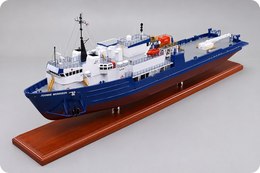
Marshall Islands-flagged asphalt tanker
Ship identity and published technical particulars are separate from the investigation of the collision.
Three river miles in the New Orleans collision area were closed to vessel traffic to permit rescue and emergency response activity. No reopening time was confirmed in the initial announcement.
Approximate times and events from initial port, operator and emergency-response statements.
American Heritage arrives in New Orleans and begins passenger disembarkation.
Atlantic Asphalt collides with the docked passenger ship.
The riverboat takes on water and lists heavily. People are seen in the river.
Coast Guard, firefighters, EMS, police and supporting vessels respond.
The tanker and riverboat are identified. The passenger vessel was docked. Rescue operations followed the collision, the cruise line reported evacuation of guests and crew, and the Coast Guard ordered a localized river closure.
Official injury and fatality totals, complete accountability, the cause of the tanker's movement, precise hull damage, pollution status, salvage arrangements and the time navigation can resume.
Six Critical Questions After the New Orleans Tanker Allision
Rescue and stabilization come first. The maritime investigation must establish what happened during the tanker's approach, how the passenger ship flooded and what consequences remain for Mississippi River operations.
Information available Friday afternoon, November 13. The status of an active incident can change as authorities release new findings.
The incident extends beyond physical damage to a riverboat, but the actual magnitude of each consequence has not yet been established.
Stabilizing the riverboat, assessing damage, arranging recovery and addressing passenger and crew welfare.
The emergency closure interrupts vessel traffic in a three-mile section until the Coast Guard permits movements to resume.
Reconstructing the tanker movement, assessing causation and determining vessel, terminal and other losses.
These are issues to be examined, not findings of failure by any vessel, operator or pilot.
Engine alarms, machinery logs, shaft response and any recorded loss of propulsion will help establish what control the tanker retained.
Investigators can compare steering commands, rudder response and the vessel's actual heading changes.
Pilotage arrangements, bridge communications, voyage data, VHF traffic and navigation decisions will be central to reconstructing the approach.
Actual river current, vessel speed, traffic movements and available maneuvering room must be established using contemporaneous records.
Passenger accounting, crew actions, emergency communications and the progression of flooding may explain how people escaped.
Tank integrity, bunker quantities, possible releases, mooring damage and recovery plans require on-scene assessment.
A separate, fully investigated New Orleans maritime casualty from December 14, 1996.
Bright Field struck the Poydras Street wharf and Riverwalk waterfront.
Four serious and 58 minor injuries, according to the NTSB report.
Historical damage estimate for the 1996 incident.
We welcome your feedback, suggestions, corrections, and ideas for enhancements.
Please click here to get in touch