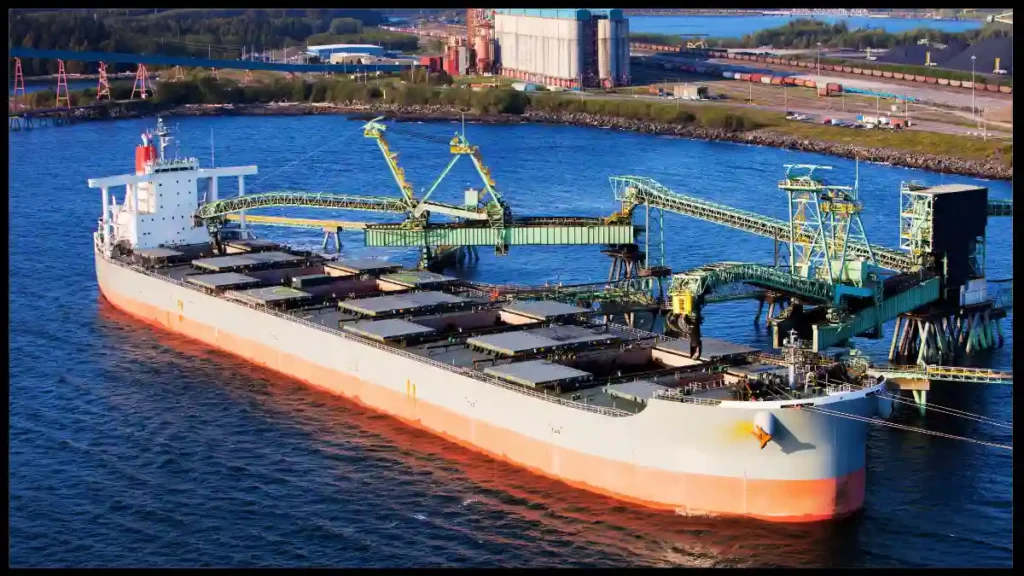
Seaborne coal demand has eased in Asia as utilities sit on high stocks and domestic output stays strong. Thermal coal prices in Asia touched multi-year lows earlier in 2025, and late-October readings show the Baltic Dry Index down month over month with capes under pressure. Iron ore liftings into China remain robust, which helps, but the coal drag plus softer steel output keeps the overall tone mixed for bulker owners.
Simple Summary in 30 Seconds
Power plants in Asia have plenty of coal in storage and strong local supply, so they are buying less from overseas.
That means fewer coal cargoes moving by sea. Big bulk ships have less work and freight rates have slipped.
Iron ore into China and seasonal grain shipments help a bit, but they do not fully replace the lost coal demand yet.
What changed
Less coal buying from abroad because stocks are high and local mines are active.
Who feels it
Capesize and Panamax owners that rely on coal routes see softer employment and lower daily earnings.
What cushions it
Strong iron ore volumes and grain season add some work, but not enough to close the gap.
Bottom line: Expect weaker bulk earnings near term. Shift ships toward grain and bauxite routes, keep schedules flexible to cut empty miles, and tighten fuel and weather terms in contracts to protect cash.
Asian thermal coal prices hit multi-year lows earlier in 2025 amid weaker imports and strong local output. Import appetite has been uneven through Q3–Q4.
Utilities rely more on domestic supply and high stockpiles. Import margins narrow for lower-grade cargoes.
📉 Fewer coal tons for Panamax and Capesize legs. 📉 Lower utilization where coal dominates trade mix.
India: record stocks, softer imports
Power plant coal inventories hit records mid-year and monthly import prints have dipped at times into late Q3.
📉 Headwind for Indonesia–India and USG–India coal runs. 📉 Pressure on regional Panamax earnings.
China: coal imports volatile in 2025
Early 2025 saw year over year declines in coal imports, followed by later spikes. Forecasts still point to lower seaborne coal for the full year versus 2024.
Domestic production and stocks influence seaborne call. Policy and price arbitrage drive month to month swings.
📉 Net drag on coal-driven tonne-miles versus 2024. 📈 Pockets of relief when import arbitrage opens.
BDI slides into late October
The Baltic Dry Index fell through late October from earlier Q4 levels. Weekly prints show a step down from mid-month.
Capesize assessments weaken on thinner coal stems. Panamax and Supramax hold up better where grains support.
📉 Lower daily TCEs for capes. 📈 Mixed for midsizes depending on grain season and basin.
Steel softness, iron ore still flowing
China steel output has eased, yet iron ore imports stayed very strong in Sep–Oct, cushioning cape demand but not fully offsetting coal weakness.
Strong iron ore liftings keep some long-haul employment. Construction slowdown limits upside.
📈 Some support for cape utilization. 📉 Limited rate relief where coal is the swing cargo.
Owner actions that help
Rebalance exposure toward grains and bauxite where flows are firm. Keep period cover selective around seasonal troughs.
Voyage selection, ballast control, and port pair flexibility. Tighten bunker and weather clauses.
📈 Protects cash generation in softer weeks. 📉 Reduces idle days and off-hire risk.
Notes: Effects vary by basin, cargo mix, and charter terms.
Coal Lens Snapshot
Asia utilities
High stock levels and steady domestic output reduce import pull, especially for lower-grade cargoes.
China import pattern
Volatile month to month. Arbitrage windows open and close quickly as domestic supply and prices shift.
India inventory signal
Record plant stocks earlier this year. Import cadence eases while quality and compliance remain priorities.
Sensitivity to Coal Slowdown
Capesize
High
Panamax
Medium
Supramax
Lower
Directional only. Actual exposure depends on each fleet’s trade mix and contracts.
Corridor Pulse
Indonesia ↔ India (thermal)
pressureinventory overhang
Australia ↔ China (coal + ore)
mixedore support
US Gulf ↔ Asia (coal)
softerpricing windows narrow
ECSA ↔ Asia (grains)
supportseasonal
Winners and Losers (near term)
Winners
Owners with grain exposureFlexible port pair strategiesEco Panamax fleets
Losers
Capes heavy on thermal coalOwners with weak bunker clausesRigid rotation commitments
Grain Season Signal
Oct
N. Hem tail
Nov
Support
Dec
Mixed
Jan
S. Hem build
Feb
S. Hem ramp
Mar
S. Hem peak
Indicative seasonality. Actual flows vary with harvest outcomes and trade policy.
Owner Actions
Re-balance exposure
Tilt toward grains and bauxite legs. Keep optionality on coal-heavy routes.
Clause hygiene
Audit bunker and weather language. Tighten laytime and detentions for congested ports.
Ballast control
Pre-negotiate alternates and triangulate to cut empty miles.
Coal’s softer pull is the main drag on capes and panamaxes into early winter. Iron ore liftings give some cushion, and grains offer a seasonal valve. The owners who keep port pair flexibility, protect fuel and weather terms, and lean into grain-supported basins will defend cash generation best while coal demand normalizes.