
SHIPUNIVERSE
Maritime Intelligence, Tools & Live Industry Radars

One place for live maritime intelligence, practical decision tools, industry events and focused reporting.

15Live Radars 253Maritime Tools
24/7Intelligence Focus
GlobalIndustry Coverage
NEW RADARS

Explore our latest intelligence radars

RADARS
TOOLS
All Tools
Latest 20
Open to load latest items…
NEWS
All News
Latest 20
Open to load latest items…
REPORTS
All Reports
Latest 20
Open to load latest items…
TECH
All Tech
Latest 20
Open to load latest items…
CRUISE
All Cruise
Latest 20
Open to load latest items…
NAVAL
All Naval
Latest 20
Open to load latest items…
SHIPUNIVERSE REPORTING

Reports, news and industry coverage

Full analysis in the ShipUniverse intelligence layout.

← Back to latest posts ShipUniverse / NEWS

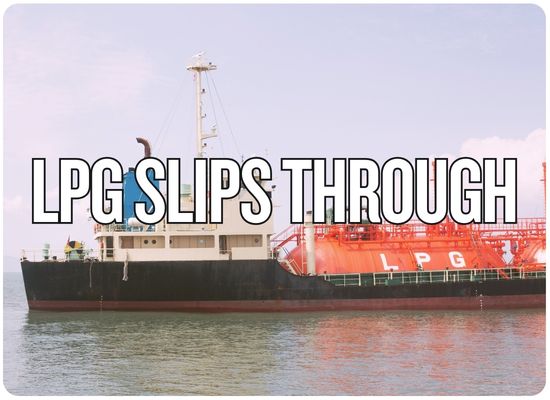
Iran Is Slipping LPG and Jet Fuel Cargoes Through the U.S. Naval Blockade

🔔 Subscribe to ShipUniverse Weekly →

Iran has succeeded in moving at least eight LPG tanker cargoes totaling about 4.1 million barrels out of the Gulf of Oman since the U.S. naval blockade was reimposed on July 14, according to vessel and satellite analysis reviewed by Reuters. A separate tanker carrying Iranian jet fuel reached Myanmar in September. Some LPG cargoes were transferred ship-to-ship near the Omani ports of Shinas and Sohar, while most subsequently sailed toward Malaysia’s Eastern Outer Port Limits for additional transfers and likely onward movement to China. Six of the eight LPG tankers and the jet-fuel tanker are under U.S. sanctions. The leakage remains small compared with Iran’s normal petroleum exports: Kpler recorded zero Iranian crude exports in September, the first zero-shipment month in its data going back to 2013. U.S. officials also caution that a vessel getting through does not by itself prove it successfully evaded an interception, because ships are individually assessed and some are allowed to proceed for humanitarian or operational reasons.

Iran Product Exports · U.S. Blockade · July–October 2026

Smaller Product Tankers Are Finding Gaps That Crude Tankers Have Not

Iran's crude export system has effectively stopped, but a limited number of LPG and refined-product cargoes have still moved through the Gulf of Oman using offshore transfers, waiting areas and onward transshipment hubs.

LPG Tankers At least 8
Identified by UANI and Reuters as carrying Iranian LPG out since mid-July.
LPG Volume 4.1M bbl
Estimated cumulative cargo volume across those shipments.
Sanctioned LPG Ships 6 of 8
Reuters matched six of the eight against U.S. sanctions records.
Iran Crude · September 0 bbl
Kpler recorded no Iranian crude export cargo during the entire month.
How the LPG Cargo Chain Is Being Obscured
Stage 1 Iranian Loading
LPG originates at Iranian petroleum and petrochemical export facilities.
→
Stage 2 Oman STS Zone
Some cargoes are transferred offshore near Shinas and Sohar, outside the Iranian port environment.
→
Stage 3 Gulf of Oman
Vessels wait among a growing number of legitimate Gulf producers' offshore transfer operations before moving east.
→
Stage 4 Malaysia EOPL
Most identified LPG cargoes subsequently sailed to Malaysia's Eastern Outer Port Limits for another offshore transfer.
→
Stage 5 Likely China
UANI assesses China as the likely final destination for most cargoes after further STS activity.
Documented Example APOLLO OCEAN
UANI tracked this VLGC leaving the Gulf of Oman on October 12 carrying Iranian LPG that had already changed ships once.
Original Loading Bandar-e Mahshahr
TARAWA loaded the Iranian LPG on August 24.
STS Transfer September 4
Approximately 490,000 barrels were transferred from TARAWA to APOLLO OCEAN.
Departure October 12
APOLLO OCEAN subsequently departed the Gulf of Oman laden.
Getting past the blockade line is not automatically proof of a direct interception being defeated. U.S. officials say every vessel is assessed individually, some may be allowed through for humanitarian reasons, and ships may be monitored without immediate enforcement action. The tracking evidence establishes that Iranian cargoes got out, not necessarily how each individual vessel passed U.S. forces.
Blockade Performance vs Product Leakage

The Blockade Is Crushing Crude Exports While Smaller Product Cargoes Leak Through

The most important distinction is vessel class and cargo type. Large Iranian crude exports have effectively stopped, while a small number of LPG and refined-product tankers have found more flexible routes through offshore transfer networks.

Latest Blockade 135 Turned Around
CENTCOM figure reported October 13.
Commercial Ships Disabled 4
During the latest three-month enforcement period.
Crude Export · September Zero
Kpler's first zero month for Iran since tracking began in 2013.
Known LPG Leakage 4.1M bbl
Across at least eight identified tanker cargoes.
Evidence board ← →
Evidence What Happened Scale Route / Method What It Shows Important Limitation
Iranian LPG Product leakage At least eight LPG tankers left the Gulf of Oman after the blockade was reimposed in mid-July. Approximately 4.1 million barrels in total. Offshore transfers near Oman, Gulf of Oman waiting areas, then mostly toward Malaysia's Eastern Outer Port Limits. The physical blockade has not stopped every Iranian petroleum-product cargo. Reuters and UANI describe this as a handful of successful shipments, not evidence that Iran has restored normal export volumes.
Jet Fuel Myanmar delivery Satellite imagery and SynMax analysis showed another tanker carrying Iranian jet fuel reaching Myanmar in September. One identified post-blockade cargo in the latest Reuters investigation. Vessel-tracking and satellite imagery were needed because the trade uses opaque shipping practices and sanctioned vessels. Higher-value refined products may remain commercially attractive enough to justify substantial sanctions and interception risk. Reuters did not disclose the cargo volume in its October 16 report, and Myanmar's government did not confirm receiving the Iranian cargo.
Iranian Crude Main export system Kpler recorded no Iranian crude export shipment during September. Zero for the month. UANI says it has not tracked a crude-laden tanker successfully departing the Gulf of Oman and avoiding enforcement since July 12. The blockade appears far more effective against Iran's large crude-export trade. Dark activity, AIS manipulation and unobserved transfers mean no commercial tracking system can guarantee complete visibility.
APOLLO OCEAN LPG example Received Iranian LPG offshore from TARAWA and later departed the Gulf of Oman. Approximately 490,000 barrels. TARAWA loaded at Bandar-e Mahshahr on Aug. 24; STS occurred Sept. 4; APOLLO OCEAN departed Oct. 12. Cargo can become separated from the vessel that originally called at an Iranian port. A transfer chain does not automatically prove that every participant knowingly violated a specific blockade instruction.
U.S. Enforcement CENTCOM position U.S. forces say the resumed blockade has turned around 135 ships and disabled four commercial vessels. Three months of the latest blockade through Oct. 13. Enforcement is concentrated around Iranian ports and the Gulf of Oman, with vessels assessed individually. The large number of redirected ships explains why Iran's normal crude export chain has collapsed. CENTCOM says a vessel appearing beyond the blockade does not necessarily prove it successfully evaded U.S. forces; ships may be allowed through or monitored.
Evidence board ← →
Do not calculate a simple blockade “success rate” from these numbers. The 135 redirected ships, four disabled ships and eight observed LPG cargoes are different populations. The public record does not disclose every vessel evaluated, every vessel allowed to pass, every humanitarian movement or every unobserved shipment.
Ship Universe Blockade Leakage Tool

Product-Cargo Leakage Scale Analyzer

Translate a small number of successful product cargoes into average cargo size, daily flow, annualized volume and gross cargo-value scenarios. The tool does not attempt to calculate a military blockade success rate.

cargoes
million bbl
days
94 days approximates July 14 through October 16.
$/bbl
User-defined illustrative value only. LPG pricing varies by product, contract and market.
ships
ships
Average Volume per Cargo 512.5K total entered volume divided by successful cargoes
Average Daily Leakage 43.6K modeled barrels per day across the observation period
Annualized Volume 15.9M mechanical annualization if the same pace continued
Gross Cargo Value $246M entered volume × user-defined barrel value
Known Enforcement Actions 139 entered turnarounds plus disabled ships
Cargoes per 30 Days 2.6 successful cargo frequency under the entered scenario
Scale of the Product Leakage
Annualization does not predict future exports. It simply shows what the entered leakage pace would equal if sustained for twelve months.
Observed Volume
4.1M bbl
Annualized Volume
15.9M bbl
Gross Value
$246M
Scenario Interpretation Limited Leakage
The entered cargo flow is commercially meaningful but remains small compared with Iran's pre-blockade petroleum export system.
Cargoes 8
Volume 4.1M
Turnarounds 135
Period 94 days
Do not interpret this as a blockade effectiveness percentage. The public figures are incomplete and describe different categories: redirected vessels, disabled vessels, product cargoes observed beyond the blockade, humanitarian movements and vessels allowed or monitored for operational reasons. The annualized output is purely mathematical and does not predict future Iranian exports.
Feedback Welcome

We welcome your feedback, suggestions, corrections, and ideas for enhancements.

Please click here to get in touch
By the ShipUniverse Editorial Team — About Us | Contact


← Browse more ShipUniverse posts
MARITIME DECISION TOOLS

Practical tools for real vessel and commercial decisions

Browse the latest 24 tools or instantly search every published ShipUniverse maritime tool.

24 latest toolsView all 253 →
TOOL

Marine Cargo Damage, Shortage, Survey & Claims Recovery Tool

🔔 Subscribe to ShipUniverse Weekly → Marine Cargo • Shortage Reconciliation…

Open →
TOOL

Container Terminal Yard Capacity, Dwell Time & Truck Gate Congestion Tool

🔔 Subscribe to ShipUniverse Weekly → Port Logistics • Yard Density…

Open →
TOOL

Fleet Class Survey, Statutory Certificate & Expiry Planning Tool

🔔 Subscribe to ShipUniverse Weekly → Fleet Compliance • Class /…

Open →
TOOL

Drydock Project Critical Path, Work Package & Schedule Overrun Tool

🔔 Subscribe to ShipUniverse Weekly → Drydock • Work Packages •…

Open →
TOOL

Container Demurrage, Detention, Free Time & Storage Cost Tool

🔔 Subscribe to ShipUniverse Weekly → Container Logistics • Free Time…

Open →
TOOL

Naval Fleet Replenishment, Fuel Endurance & Sustainment Planning Tool

🔔 Subscribe to ShipUniverse Weekly → Naval Logistics • Fuel /…

Open →
TOOL

Cruise Tender Operations, Passenger Throughput & Excursion Revenue Tool

🔔 Subscribe to ShipUniverse Weekly → Cruise Port Calls • Tender…

Open →
TOOL

Ship Recycling IHM, Survey & Yard Readiness Tool

🔔 Subscribe to ShipUniverse Weekly → Ship Recycling • IHM Part…

Open →
TOOL

Port Berth Productivity, Crane Deployment & Vessel Turnaround Tool

🔔 Subscribe to ShipUniverse Weekly → Container Terminals • Berth Occupation…

Open →
TOOL

Offshore DP Capability, Thruster Failure & Station-Keeping Margin Tool

🔔 Subscribe to ShipUniverse Weekly → Offshore DP Operations • Directional…

Open →
TOOL

Ship-to-Ship Transfer Fender, Mooring, Hose & Transfer Planning Tool

🔔 Subscribe to ShipUniverse Weekly → Marine Operations • Fender Energy…

Open →
TOOL

Vessel Sanctions, AIS Anomaly & Counterparty Due Diligence Tool

🔔 Subscribe to ShipUniverse Weekly → Sanctions • AIS Integrity •…

Open →
TOOL

Marine Biofuel Compatibility, Fuel Changeover & Engine Readiness Tool

🔔 Subscribe to ShipUniverse Weekly → Biofuel Grades • FAME /…

Open →
TOOL

Charterparty Speed, Consumption, Weather & Performance Claim Tool

🔔 Subscribe to ShipUniverse Weekly → Time Charter • Speed Warranty…

Open →
TOOL

Port State Control Inspection, Deficiency & Detention Risk Tool

🔔 Subscribe to ShipUniverse Weekly → Port State Control • Vessel…

Open →
TOOL

Critical Spares Procurement, Lead Time, Inventory & Stockout Risk Tool

🔔 Subscribe to ShipUniverse Weekly → Criticality • Minimum Spares •…

Open →
TOOL

Ship Cyber Exposure, Remote Access & OT Risk Tool

🔔 Subscribe to ShipUniverse Weekly → Satcom / Starlink • IT…

Open →
TOOL

Newbuild vs Secondhand Vessel Acquisition, Financing & Fleet Renewal Tool

🔔 Subscribe to ShipUniverse Weekly → NEWBUILD INSTALLMENTS • DELIVERY DELAY…

Open →
TOOL

Laytime, Demurrage, Dispatch & Port Delay Cost Tool

🔔 Subscribe to ShipUniverse Weekly → NOR • Laytime Clock •…

Open →
TOOL

EU ETS, FuelEU Maritime, EUA Cost & Charterer Allocation Tool

🔔 Subscribe to ShipUniverse Weekly → EU ETS Maritime • CO₂…

Open →
TOOL

Marine Main Engine Lubricating Oil Pressure, Bearing Temperature & System Capacity Tool

🔔 Subscribe to ShipUniverse Weekly → LO Supply Pressure • Filter…

Open →
TOOL

Marine Main Engine Exhaust Valve Leakage, Exhaust Temperature & Cylinder Condition Tool

🔔 Subscribe to ShipUniverse Weekly → Cylinder EGT • Temperature Spread…

Open →
TOOL

War Risk Premium, Route Diversion & Voyage Cost Impact Tool

🔔 Subscribe to ShipUniverse Weekly → War Risk AP • Hull…

Open →
TOOL

Vessel Off-Hire Revenue Loss, Charter Deduction & Recovery Tool

🔔 Subscribe to ShipUniverse Weekly → Time Charter Hire • Off-Hire…

Open →