
🔔 Subscribe to ShipUniverse Weekly →
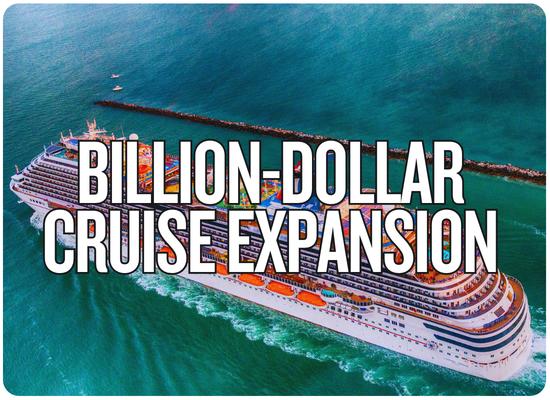
Italian shipbuilder Fincantieri announced on November 20, 2026, that it had signed a contract with Carnival Corporation to design and build two LNG dual-fuel cruise ships for Carnival Cruise Line. The vessels will each measure approximately 130,000 gross tons and contain around 1,650 guest cabins. Construction is assigned to Fincantieri's Marghera shipyard near Venice, with deliveries scheduled for 2033 and 2035. Fincantieri classified the contract as a very important agreement, a designation for cruise ship contracts exceeding €2 billion, equivalent to roughly $2.2 billion. The agreement remains subject to financing and customary conditions. Carnival Cruise Line had announced the new ship class on November 19, describing it as a smaller design intended to expand its range of destinations.
Carnival's Next Big Shipbuilding Move Is Smaller
The world's largest cruise group is adding a mid-size newbuild platform alongside its 230,000-GT megaship program. The investment adds itinerary flexibility without abandoning the economies of large ships.
Approximate gross tonnage per ship. The new class is about 28% smaller than Excel and 43% smaller than Ace. Its size is comparable to the existing 130,000-GT Carnival Dream, so this is a mid-size mass-market vessel, not a boutique cruise ship.
The smaller scale is deliberate. Carnival says it should expand the range of ports and itineraries the fleet can offer. Actual port access will depend on ship length, draft, beam and local infrastructure, none of which has been disclosed for the new class.
Smaller ships may fit destinations less suited to 230,000-GT vessels, allowing Carnival to distribute capacity beyond its largest cruise gateways.
Fincantieri says the new hull platform was designed for possible future use by other Carnival Corporation brands. No additional orders under that platform have been announced.
Both ships will use dual-fuel propulsion with LNG as the primary fuel. LNG can reduce some emissions relative to conventional fuels, but lifecycle impacts, including methane, remain relevant.
| Ship program | Planned deliveries | Scale and role |
|---|---|---|
| Excel class | 2027, 2028 | Approximately 180,000 GT; established large-ship platform |
| Ace class | 2029, 2031, 2033 | Approximately 230,000 GT; more than 3,000 cabins per ship; construction at Monfalcone |
| New mid-size class | 2033, 2035 | Approximately 130,000 GT; 1,650 cabins per ship; construction at Marghera |
Carnival Cruise Line has seven ships scheduled through 2035, while Carnival Corporation reports 12 new ships on order across Carnival, Princess and AIDA through 2039. Fincantieri has already delivered 76 cruise ships to Carnival Corporation over their 30-year relationship, including 15 for Carnival Cruise Line.
Fincantieri's contract classification indicates a combined value above €2 billion. Dividing that threshold by two implies an average above €1 billion per vessel, but it is not a disclosed unit price. Financing remains a condition of the agreement. Ship names, final passenger capacity, dimensions, homeports and itinerary assignments have not been announced.
Carnival's November 20 agreement adds two LNG dual-fuel cruise ships for delivery in 2033 and 2035, complementing its much larger Ace-class program. The new vessels are designed to broaden port access, while their shared platform could support future Carnival Corporation brands. The contract exceeds €2 billion, with financing and final ship details still outstanding.
We welcome your feedback, suggestions, corrections, and ideas for enhancements.
Please click here to get in touch