
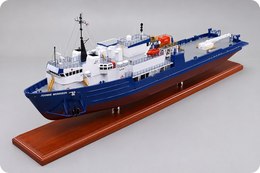
Floating LNG Storage Unit Investment, Bunkering Slots, Open-Access Fees & Charter ROI Tool
Floating LNG Storage Unit Investment, Bunkering Slots, Open-Access Fees & Charter ROI Tool
Test whether a floating LNG storage hub can fill its berthing calendar, honor shipper storage rights and earn a return after charter hire, cryogenic losses, operating costs, financing and sustaining capex. Simulate physical LNG inventory alongside ten years of investment cash flows.
Methodology, boundaries and key conventions
FSU = LNG storage/transfer, without onboard regasification. The operating calendar is a representative 30-day month repeated over 120 months. Both cargo acceptance and bunkering delivery require sufficient tank headroom/heel and available shared-berth hours. Rejected jobs are not billed; confirmed storage reservations are billed under user-entered take-or-pay assumptions. Contract capacity is a right to use storage, not a claim that it contains LNG. The boil-off recovery assumption means physical reliquefaction/return to LNG inventory; BOG burned as fuel is NOT counted as liquid returned. The unrecovered volume is deducted from stock, with its replacement value charged only at the facility liability percentage. 10-year IRR/NPV are project/equity estimates, not lending commitments, safety assessments or live terminal quotations. Vessel compatibility, LNG transfer approvals, weather, gas composition, SIMOPS, custody accounting and berth regulation require independent review.
Floating LNG commercial decision intelligence
SIMPLE · LIVEAdvanced workbench · fleet, open access, voyages and 10-year finance
Six editable registers: FSU assets, inbound cargoes, bunkering nominations, shipper capacity contracts, port restrictions, and annual demand/capex assumptions. Only firm/confirmed items contribute to the base case; pending nominations remain visible but excluded.