

🔔 Subscribe to ShipUniverse Weekly →
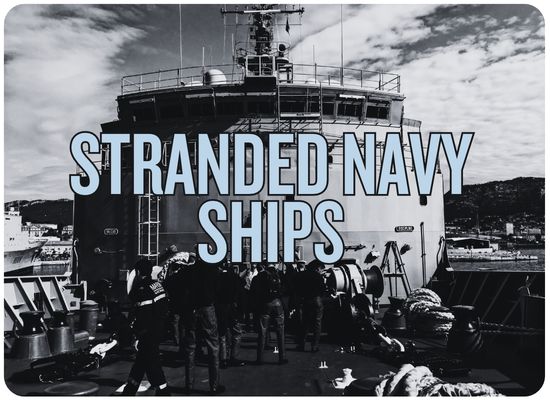
Anyone who has spent time around replenishment ships knows the difference between a vessel that floats and one that can sail tomorrow. The Navy has paid for the hulls, but it still needs licensed people to run them. CBO now counts 15 Military Sealift Command support ships out of service because there aren't enough civilian mariners. That's less fuel, cargo and forward-support flexibility available to commanders, even before the next crisis asks the fleet to do more.
65 Ships on Paper. Just 50 After the Crew Shortage.
Four Support Functions Affected
| Ship type | Primary mission | Consequence when unavailable |
|---|---|---|
| T-AO oilers | Fuel transfers to deployed warships | Less refueling flexibility and redundancy |
| T-AKE cargo ships | Food, spare parts, dry stores and ammunition | Reduced replenishment options at sea |
| T-EPF transports | Rapid movement of people and equipment | Less intra-theater transport capacity |
| Expeditionary sea bases | Forward staging and afloat operational support | Reduced flexibility for expeditionary missions |
These ship types are identified in MSC's workforce initiative. Its latest CBO assessment does not provide a complete current name-by-name breakdown of the 15 laid-up vessels.
Where the Fleet's Capacity Is Being Lost
Expand each finding for the evidence and its practical implications.
01The 15-Ship Gap Is Real, but Not UniformOne unavailable oiler is not equivalent to one unavailable transport.Details
02Expeditionary Transports Were Among the CasualtiesThe problem extends beyond traditional replenishment oilers.Details
03The Crew Shortage Is Bigger Than the Empty ShipsRelief crews, training and medical leave create additional requirements.Details
04Active Ships Still Have 444 Empty BilletsPrioritizing the remaining fleet has not eliminated its manpower gap.Details
05A Sidelined Ship Still Costs MoneyA minimally crewed vessel still requires preservation, safety and security.Details
06Recruitment Costs Have Become SubstantialLicensed mariners command high pay and significant hiring incentives.Details
07Recovery Has Started but Takes TimeHiring progress must translate into qualified people aboard ships.Details
08The Next Generation Could Face the Same ProblemShipbuilding plans need matching workforce plans.Details
Three Costs That Must Not Be Confused
| Measure | Meaning | Evidence available |
|---|---|---|
| Capital tied up | Ships that cannot deliver normal missions | Fifteen identified; no uniform acquisition value |
| Inactive upkeep | Maintenance, security and minimum crews | Required; audited total undisclosed |
| Missing capability | Lost logistics scheduling and surge flexibility | Not quantified in gallons, cargo tonnes or mission-days |
Research sources and official documentation
Sources represent different reporting dates. CBO's fleet count is dated November 1, 2026. Personnel figures from congressional testimony and later commander interviews are identified separately.
What Would It Take to Bring the Ships Back?
Test how many mariners and operating days might be needed to return a portion of the 15 ships to service. All costs are illustrative planning inputs, not Navy expenditure estimates.
Scenario only. Workforce positions = ships × crew positions × relief factor, rounded up. Annual crew cost = workforce × assumed annual loaded compensation. Available ship-days = ships × assumed days. This excludes fuel, repairs, reactivation, certifications, procurement, readiness failures and vessel operating expenses. Standby spending is unverified. Restored ship-days are not equivalent to measured additional fuel or cargo deliveries.
We welcome your feedback, suggestions, corrections, and ideas for enhancements.
Please click here to get in touch