

🔔 Subscribe to ShipUniverse Weekly →
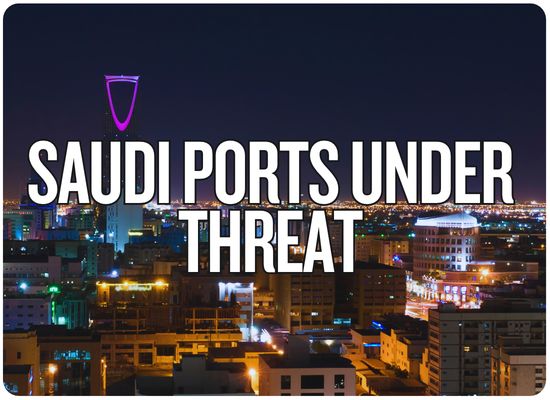
Yemen's Houthi movement threatened on November 20, 2026, to attack Jeddah and other Saudi Arabian ports along the Red Sea if the Saudi-led coalition strikes Yemen's Hodeidah port. Houthi military spokesperson Yahya Saree called on personnel and residents near the Saudi port facilities to evacuate immediately and urged shipping companies to remove their vessels. The warning followed a Saudi-led coalition notice calling for civilians to evacuate Hodeidah, amid continuing missile and drone attacks between the two sides. Saudi authorities reported additional missile and drone interceptions on Friday. No Saudi Red Sea port closure resulting from the new warning had been independently confirmed in the reports reviewed.
A Threat That Reaches the Port Gates
The latest Houthi warning moves beyond vessels transiting Bab el-Mandeb to the Saudi ports where cargo is loaded, discharged and handled. The immediate question is whether a conditional military threat begins to disrupt commercial operations.
Two Evacuation Warnings, Opposite Sides of the Red Sea
The Saudi-led coalition issued an evacuation notice for Yemen's Hodeidah port on Friday, identifying an area for civilians to leave. Hours later, Houthi military spokesperson Yahya Saree warned that Jeddah and other Saudi ports along the Red Sea would become targets if coalition forces attacked Hodeidah.
The Houthis also called for workers to leave the threatened Saudi facilities and for shipping companies to remove their vessels. Those demands came from the Houthi movement, not Saudi port authorities. They do not establish that Jeddah has suspended cargo operations or that vessels have been officially ordered out by the Kingdom.
Statement of threatened action, not confirmation that either the threatened Saudi port attacks or a closure have occurred.
Jeddah Is the Named Target. The Commercial Exposure Is Wider.
Infrastructure capacity figures, not throughput, production or damage estimates. Jeddah data: Saudi Ports Authority; pipeline capacity: U.S. EIA and industry reporting; Jazan refinery: Reuters.
| Location | Commercial Role | Relationship to Warning |
|---|---|---|
| Jeddah Islamic PortSaudi Arabia | Major container, general cargo, import and transshipment gateway. | Explicitly named |
| King Abdullah PortSaudi Arabia | Container and logistics hub serving international shipping networks. | Within broad Saudi Red Sea geographic scope; not individually named. |
| YanbuSaudi Arabia | Crude export terminals and industrial facilities linked to the East–West oil corridor. | Not individually named; commercially exposed under the wider coastal warning. |
| Jazan / JizanSaudi Arabia | Southern coastal port and industrial area, including major refining infrastructure. | Not individually named; geographic proximity to Yemen adds security relevance. |
| HodeidahYemen | Important commercial and humanitarian supply gateway. | Conditional trigger |
Jeddah's significance extends well beyond Saudi coastal traffic. Disruption there could affect mainline container calls, feeder connections, import clearance, cargo storage and inland distribution. Yanbu presents a different exposure: Saudi Arabia developed the East–West pipeline as an alternative to exporting crude through the Strait of Hormuz. Threats to its Red Sea outlets weaken the commercial reliability of that alternative even without physical damage.
The Freight Cost Can Change Before the Port Closes
Shipowners do not need a confirmed terminal shutdown to face additional costs. A credible threat can change insurance terms, chartering negotiations and the willingness of vessels to accept a voyage. The effects will differ between tankers, container ships and bulk carriers.
Insurance
Additional war-risk premiums or changes to coverage may increase the cost of calling Saudi ports.
Vessel Availability
Owners may reject employment, seek alternative destinations or require revised commercial terms.
Port Scheduling
Delayed arrivals, withheld clearances or changed berthing instructions could create congestion.
Cargo Delivery
Rerouting and delayed discharge could increase inventory, storage and onward transport costs.
War-Risk Premiums Had Already Surged
Reuters reported these broker and underwriter indications on September 24. The quotations were not publicly disclosed concluded premiums and do not establish insurance prices on November 20.
Insurance changes are only one component. A delayed departure may extend charter hire, a rejected port call can require cargo-document amendments, and a reroute may add substantial voyage distance. Responsibility for the resulting costs depends on the charterparty, insurance terms and the specific cause of the delay.
The November Warning Extends an Existing Maritime Campaign
The movement announced restrictions against Saudi-linked shipping. Reuters subsequently reported emails to companies warning against loading and discharging at Saudi ports.
U.S. Maritime Administration guidance identifies reported missile strikes on the tankers AMZAN and DAISY off Saudi Arabia's coast, demonstrating that the threat had already extended to commercial shipping.
The coalition said its operation destroyed 60 Houthi military targets across four Yemeni governorates, including Hodeidah. That number is the coalition's reported assessment.
A strike hit the tower housing Saudi Arabia's Public Investment Fund headquarters, following repeated Houthi missile and drone attacks against Saudi territory.
The coalition called for evacuation of Hodeidah. The Houthis then threatened Jeddah and other Saudi Red Sea ports. Saudi officials also reported further missile and drone interceptions.
The distinction from July is the explicit connection between a possible coalition attack on Hodeidah and threatened retaliation against Saudi port facilities. The warning also broadens the immediate focus from ships passing through southern Red Sea waters to vessels and personnel inside commercial ports.
Flag Alone Does Not Determine Which Ships Face Risk
U.S. Maritime Administration Advisory 2026-013 identifies Saudi, U.S., UK and Israeli affiliations as potential factors increasing Houthi targeting risk. It also highlights group or company connections involving Saudi port calls.
The U.S. advisory remains an important reference for vessel risk assessments, alongside current UKMTO and Joint Maritime Information Center reporting, flag-state requirements, insurer conditions and instructions from the relevant port authority. It does not amount to an independently confirmed closure of Saudi ports.
Four Developments That Would Change the Shipping Picture
A Saudi port authority suspends arrivals, departures, cargo operations or pilotage at a named facility.
Authorities or maritime security reporting verify an attack, damage or a navigation restriction affecting a port or ship.
Operators announce omitted calls, diversions, revised port rotations or suspended services.
Verified reductions in vessel calls, cancelled loadings, sustained delays or changes in insurance and freight quotations.
We welcome your feedback, suggestions, corrections, and ideas for enhancements.
Please click here to get in touch