Hormuz Shock Sends Oil Security Into Emergency Mode
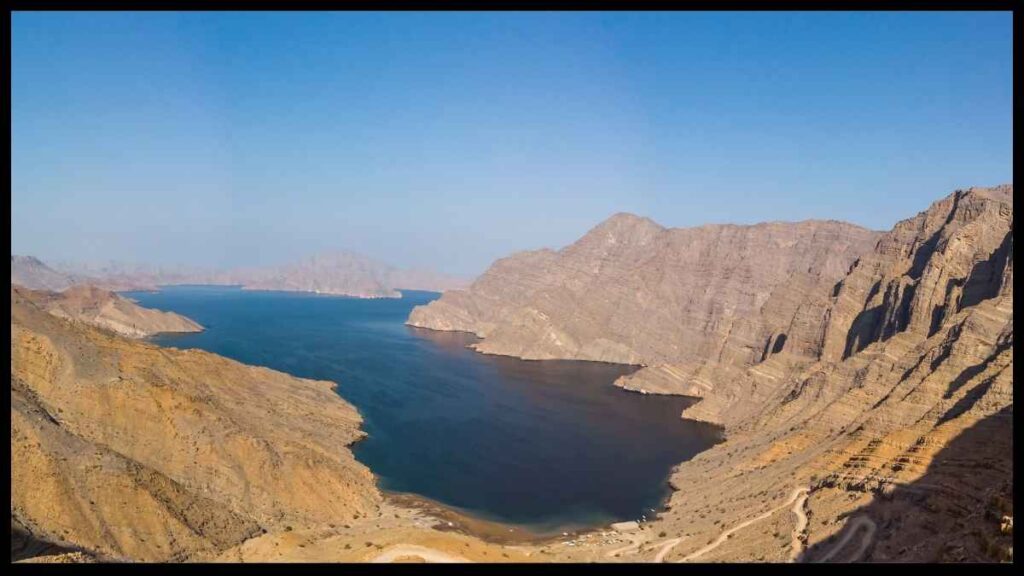
The market is no longer dealing with a normal geopolitical premium. The IEA now says the Middle East war has created the largest supply disruption in the history of the global oil market, with crude and product flows through Hormuz falling from around 20 million barrels per day to a trickle, Gulf producers cutting at least 10 million barrels per day, and global oil supply projected to plunge by 8 million barrels per day in March. In response, IEA member countries agreed to release a record 400 million barrels from emergency reserves, while the United States separately authorized a 172 million barrel SPR release that DOE says will take about 120 days to deliver. For shipping, the disruption is just as severe: UNCTAD says daily Hormuz ship transits fell 97%, while EIA notes that only limited bypass capacity exists outside the strait, leaving energy, freight, insurance, and port timing under extreme pressure.
Click here for 30 second summary of the full piece ▶
Hormuz becomes a flow crisis, not just a fear trade
The IEA says the current Middle East war has created the largest oil supply disruption in market history. Reserve barrels are now being released at record scale, but the real pressure point is still the chokepoint itself: when ships do not move, barrels do not clear, storage backs up, and production gets shut in harder.
- Supply hit: March global oil supply is projected to fall sharply as Gulf production and export flows are curtailed.
- Shipping effect: Hormuz transits have fallen to near-halt conditions, turning freight and timing into part of the energy problem.
- Market consequence: reserve releases can steady nerves, but they cannot by themselves normalize tanker movement, product balance, or insurance confidence.
This is now a combined oil, shipping, and logistics shock. The closer the market moves to prolonged transit impairment, the more likely it becomes that freight pressure, product tightness, and replacement-barrel competition will outlast the first reserve response.
| Fast reader take | Signal now in play | Shipping Importance | Negative market effect | Shows up first | Closest stakeholders |
|---|---|---|---|---|---|
| The oil shock is now physical, not just financial |
The market is dealing with a real loss of barrels, not just fear pricing. Flows through Hormuz have collapsed and Gulf output is being shut in.
physical outage
supply shock
|
Fewer cargoes move, fewer load windows hold, and tanker positioning becomes less predictable because the flow system itself is impaired. | Freight, insurance, and replacement-barrel competition all rise together instead of moving one at a time. | Fewer confirmed stems, more delay clauses, more cargo substitutions, more short-notice operational changes. | Tanker owners, charterers, cargo traders, refiners, national energy planners. |
| Reserve releases are buying time, not fixing the chokepoint |
Emergency barrels can cushion the market, but they do not reopen the waterway or normalize ship movement.
record stock release
temporary buffer
|
The shipping problem remains a movement problem. If transits stay constrained, reserves soften the demand for panic but do not restore normal voyage patterns. | Price spikes may cool faster than logistics stress, creating a market that looks calmer on paper than it feels operationally. | Uneven regional availability, stronger competition for prompt ships, and persistent discharge and scheduling friction. | Government stock agencies, refiners, traders, tanker operators, ports. |
| Transit collapse is amplifying the energy shock |
When ship movements through Hormuz drop sharply, storage behind the chokepoint fills and producers are forced to cut harder.
transit collapse
storage pressure
|
A shipping slowdown becomes a production slowdown. The vessel problem feeds directly into the upstream problem. | More shut-ins, more uncertainty around terminal timing, and more severe timing penalties for any ship willing to move. | Queue stress, reduced loading confidence, floating storage talk, and wider voyage-risk pricing. | Export terminals, tanker desks, ship managers, insurers, coastal authorities. |
| Asia is the first large demand center in the blast radius |
Most crude and LNG passing through Hormuz is normally headed to Asia, so the replacement scramble begins there.
Asia exposure
replacement race
|
More long-haul replacement buying can pull ships into different routes, tighten tonnage elsewhere, and reshape product arbitrage. | Refining margins, delivered crude cost, and clean-product balances can all move abruptly. | Stronger bidding for alternative Atlantic Basin and West African barrels, plus more reshuffling of clean-tanker demand. | Asian importers, refiners, LNG buyers, traders, long-haul tanker operators. |
| Bypass routes help, but they do not come close to clearing the problem |
Some pipeline capacity exists outside the strait, but it is limited compared with the volume normally moving through Hormuz.
limited bypass
partial relief only
|
Even when bypass infrastructure is used harder, the region still loses flexibility, loading optionality, and schedule resilience. | The market remains structurally tight because workaround capacity is too small relative to disrupted seaborne flow. | Prioritization of key grades, changing terminal usage, and tighter competition for secure liftings. | National oil companies, pipeline operators, exporters, tanker schedulers, buyers. |
| Refined products can become the second shock wave |
Crude disruption is already spilling into product markets as refinery runs and export capability come under pressure.
product market strain
refining risk
|
Clean-tanker demand, refinery feedstock plans, and product import dependency can all change faster than traditional monthly planning cycles allow. | Diesel, jet, LPG, and petrochemical feedstocks can tighten even if headline crude prices partially retreat. | Product export restrictions, volatile cracks, and scramble buying for prompt cargoes. | Clean-tanker owners, refiners, airlines, petrochemical buyers, product traders. |
Hormuz disruption pressure gauge
This planning tool turns the current oil shock into an easy operating picture. It does not forecast price. It helps readers judge when the crisis is acting like a temporary squeeze, a genuine logistics emergency, or a deep physical supply event that can spill into freight, product markets, and reserve policy.
Why this shock is different
- Flow loss and shipping loss are happening together, which means the transport system is part of the supply problem.
- Reserve releases can cushion inventories, but they cannot restore safe routine movement through the chokepoint.
- Asia feels the barrel replacement race first, which can reshape tanker demand and cargo sourcing well beyond the Gulf.
- Product markets can tighten after crude, especially when refinery runs, export capability, and feedstock access all weaken at once.
Interactive pressure model
Move the sliders to match your view of the crisis. The score rises faster when disrupted barrels, poor transit flow, and weak bypass capacity occur together.
The bigger lesson is that Hormuz stress now behaves like a combined oil, shipping, and timing crisis. Even when emergency stocks soften the immediate panic, operators still face a corridor that can remain commercially impaired, insurance-sensitive, and difficult to schedule with confidence.
We welcome your feedback, suggestions, corrections, and ideas for enhancements. Please click here to get in touch.