Reserve Release Floodgates Open as Governments Race to Calm Oil Markets
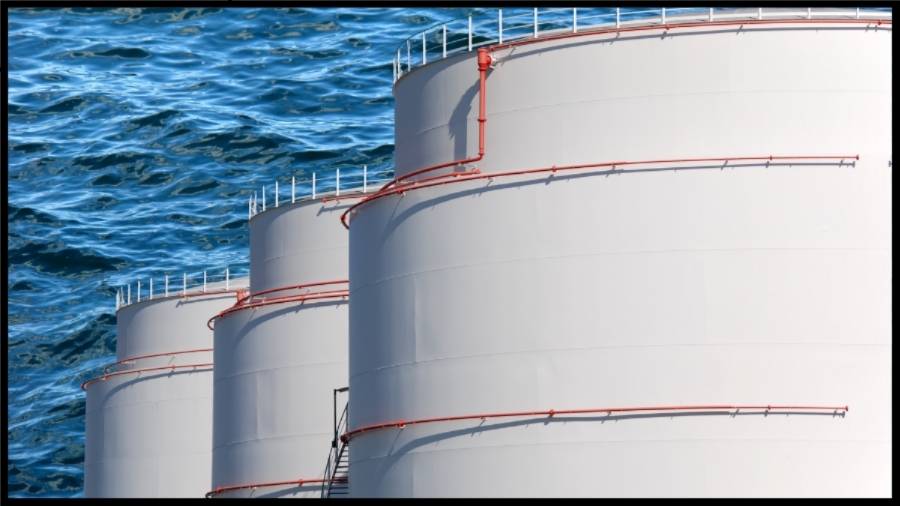
A coordinated emergency draw from strategic oil stocks is now live, with the International Energy Agency lining up the largest release in its history and several major members publishing their own country-level draw details. The key operational point for shipping and energy markets is timing and deliverability: how fast barrels can physically reach refiners and export lanes, and whether the release pace can offset disruption risk while Gulf routing, insurance, and freight remain unstable.
Click here for 30 second summary of the full piece ▶
A record draw with real country numbers now posted
IEA members agreed to make 400 million barrels available from emergency reserves, the largest coordinated release on record. The U.S. is set to release 172 million barrels over about 120 days, the UK is contributing 13.5 million barrels, Germany is contributing about 19.51 million barrels, and South Korea has detailed a 22.46 million barrel release plan.
- Top umbrella action: 400 million barrels coordinated across 32 IEA member countries.
- Largest disclosed single-country chunk: United States 172 million barrels, delivery staged across roughly four months.
- Why markets still watch: the limiting factor can be logistics and timing, not headline totals.
| Release bucket | Confirmed action | Scale | Deliverability pressure points | Signals to watch next |
|---|---|---|---|---|
| IEA coordinated release |
32 member countries agreed to make emergency reserves available to the market.
This is the umbrella move that defines the total pool and sets expectations for follow-on country notices.
Coordinated action
|
400 million barrels total. | Delivery timing differs by country. The market impact depends on how quickly physical barrels reach refineries and export systems. | Country-by-country schedules and product mix disclosures, plus confirmation of first deliveries into market. |
| United States |
Strategic Petroleum Reserve release announced, with deliveries staged rather than instantaneous.
The stated plan includes a replenishment intention after the draw.
Largest disclosed chunk
|
172 million barrels, delivery over about 120 days, starting the following week. | Release logistics, crude grade suitability for refiners, and how quickly barrels can clear pipeline and terminal constraints. | Tender calendar and award pace, delivered volumes week by week, and any revisions to delivery window. |
| United Kingdom |
Government has committed barrels from its stockpile as part of the coordinated release.
A published number provides clarity on contribution size.
Confirmed barrels
|
13.5 million barrels. | Timing of availability, compatibility with regional refinery needs, and whether barrels move by coastal shipments or pipeline-fed systems. | Release schedule and whether the UK contribution is staged or front-loaded. |
| Germany |
National authorities confirmed a draw contribution tied to the IEA request.
The draw was cited in both tonnes and barrels, supporting a clear conversion reference.
Europe draw detail
|
About 2.64 million tonnes, roughly 19.51 million barrels. | The key variable is throughput into distribution networks and refinery demand, not just stock release authorization. | Timing of first deliveries and the pace of distribution into domestic and regional supply chains. |
| South Korea |
A record draw plan was announced in alignment with the coordinated IEA action.
Korean disclosures also describe proportional allocation within the 400 million barrel total.
Asia draw detail
|
22.46 million barrels. | Deliverability depends on refinery intake timing and whether barrels are released from state reserves, commercial obligations, or both. | Confirmation of first releases, product categories involved, and any additional Asian stockholder moves. |
| Japan |
Japan has described a release plan using both private-sector and state stockpiles, with a timing reference toward late March.
Japan also reports very large total reserves on a days-of-consumption basis, giving it flexibility to stage releases.
Staged release structure
|
15 days of private-sector reserves first and one month of state reserves from around late March. | The key is sequencing: private-sector draw first, then state stockpile draw, which can stretch the effective supply injection window. | Barrels-equivalent disclosure, dispatch schedule, and whether additional releases are accelerated. |
Reserve releases calm prices when they can cover a meaningful share of the shortfall and when delivery is fast enough. The estimator below converts announced barrels into “days covered” based on an assumed disruption rate in million barrels per day.
A large headline number can still be small against a big daily disruption. The ratio determines how long the cushion lasts.
Staged releases can spread impact, but they may not offset a sudden shock if barrels cannot reach refineries quickly.
Some contributions are crude-heavy, others are products-heavy. Local refinery configuration influences real-world usefulness.
We welcome your feedback, suggestions, corrections, and ideas for enhancements. Please click here to get in touch.