Reinsurance Steps Back and War Risk Tightens Fast
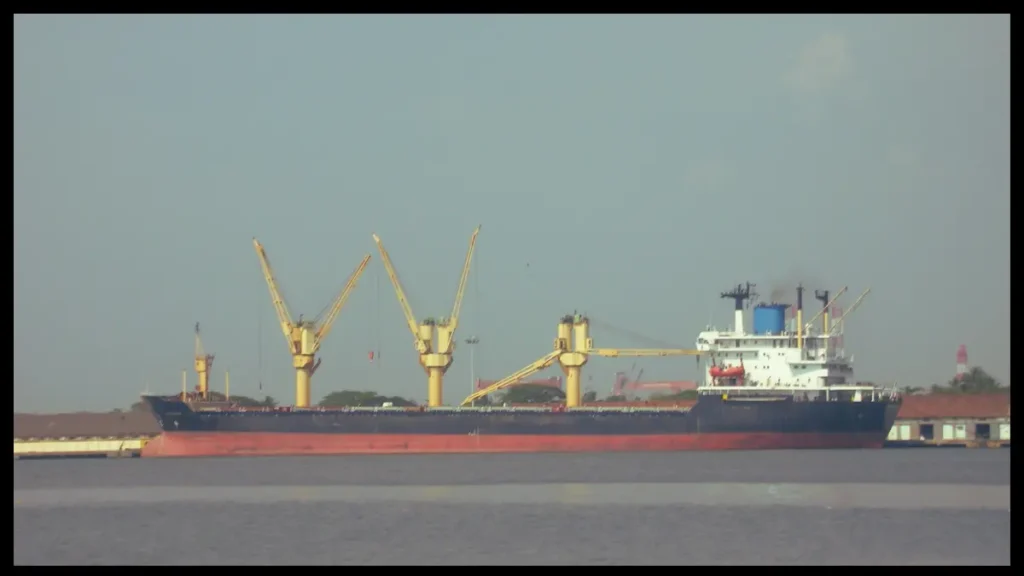
As conflict intensity spreads beyond the Gulf and into the Indian Ocean lane set, the risk stack is being repriced from the top down. The reported U.S. submarine torpedoing of an Iranian warship off Sri Lanka is now being cited alongside a broader escalation pattern that is pushing reinsurers to issue cancellation notices and reduce war-risk capacity, which then cascades into tighter terms and higher costs at the club and primary market level.
Click here for 30 second summary of the full piece ▶
Reinsurance is the accelerant
Reporting says a U.S. submarine torpedoed and sank an Iranian warship off Sri Lanka, a sharp escalation that widened the perceived risk envelope beyond the Gulf. In parallel, marine insurers and clubs have referenced receiving reinsurance cancellation notices affecting certain war-risk covers, which tightens the amount of capacity available to insure voyages into high-risk zones.
- Mechanism: when reinsurers cancel or reduce appetite, primary markets respond with exclusions, higher premiums, and narrower terms.
- Timing pressure: cancellation windows can be short, forcing rapid re-quoting for voyages already scheduled.
- Operational effect: voyages can slow at the paperwork stage as cover is re-confirmed, not only at sea.
| Reader shortcut | Case facts that matter | Continuity pressure points | Stakeholders most exposed | Next proof points |
|---|---|---|---|---|
| Escalation beyond the Gulf lane set |
Reporting says a U.S. submarine torpedoed and sank the Iranian warship IRIS Dena off Sri Lanka, with significant loss of life reported.
The key market effect is geographic: the perceived risk envelope widens into Indian Ocean routing corridors.
Risk map expands
|
Wider perceived risk can increase aggregation concerns for insurers and reinsurers, tightening appetite even for voyages far from the original hotspot. | Tanker and LNG operators with Indian Ocean legs, plus cargo interests needing tight arrival windows. | Follow-on maritime advisories and whether additional zones are treated as high-risk by market actors. |
| Reinsurers issue cancellation notices |
Marine clubs have published circulars stating they received reinsurance notices of cancellation affecting certain war-risk covers they reinsure.
This is upstream pressure: capacity is constrained before it reaches the shipowner.
Capacity contraction
|
When reinsurance backing is reduced, primary markets respond through exclusions, tighter limits, higher deductibles, and slower approvals. | P&I-linked war-risk markets, ship managers handling approvals, and banks that require continuous cover for voyage documentation. | Updated cover wording, any reinstatement terms, and whether cancellations extend into additional war-risk sections. |
| 72-hour windows drive rapid re-quoting |
Public reporting and industry summaries describe formal cancellation notices with short lead times that reset terms for vessels entering high-risk zones.
The operational issue is tempo: voyages already fixed can be forced back into the market for new terms.
Short fuse
|
Fixing velocity slows when cover cannot be confirmed quickly. Ships can hold while endorsements and approvals are secured. | Charterers fixing prompt laycans, brokers managing documentation, and terminals sequencing berths. | Evidence of fixture slippage, increased waiting at approaches, and widening war-risk premium indications. |
| War-risk withdrawal becomes a market-wide signal |
Large maritime insurance mutuals publicly communicated withdrawals or major changes to war-risk cover for Gulf entry in early March.
When large mutuals move together, the remaining capacity often prices with greater caution.
Terms tighten
|
Higher all-in voyage costs show up as higher freight asks and broader contractual buffers around timing and cancellation rights. | Oil and LNG supply chains, refiners pricing delivered barrels, and operators deciding whether returns justify the exposure. | Whether premiums stabilize, or continue stepping up as incident risk evolves. |
| The deciding variable is placement certainty |
Market commentary highlights that the challenge is not only price, but whether cover is available on acceptable terms for specific routes and periods.
This is where reinsurance pullback changes behavior: uncertainty can be as disruptive as cost.
Feasibility risk
|
Uncertain placement pushes operators toward holding patterns and more conservative routing, tightening effective fleet supply. | Operators with tight schedules, plus cargo programs that cannot absorb multi-day delays. | Watch for standardized reinstatement terms and whether approvals become faster or more restrictive. |
When reinsurance capacity contracts, the first operational impact is often placement speed. Voyages that normally confirm cover quickly can shift into slower, approval-heavy placement, and short-notice cancellation windows can create a fresh round of quoting for voyages already scheduled.
Reinsurance is the backplane for many war-risk covers. When it tightens, primary terms narrow even before new incidents occur.
Cancellation windows force rapid re-quoting and can slow fixtures, especially when multiple voyages are seeking terms at the same time.
Higher premiums raise voyage cost while placement delays can reduce effective fleet availability, which can lift freight at the same time.
We welcome your feedback, suggestions, corrections, and ideas for enhancements. Please click here to get in touch.