Tariff Whiplash: Winning Strategies for the 2025 Rate Surge
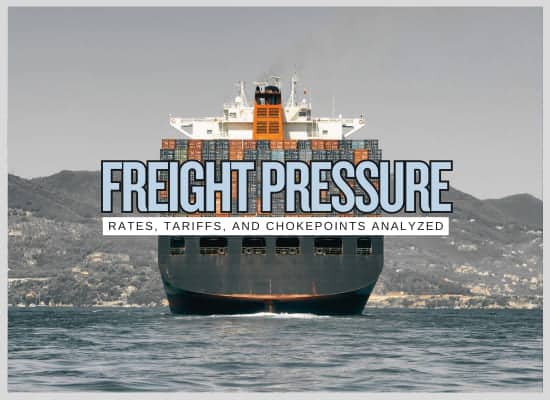
The container shipping world just got hit with a jolt. In the wake of a sudden U.S.‑China tariff rollback, freight rates have surged at breakneck speed, with prices skyrocketing over 70% on major lanes in just weeks. What looked like a diplomatic thaw has unleashed a wave of cargo demand, vessel congestion, and urgent rate recalculations.
For shipowners, operators, and freight stakeholders, this isn't just noise. It’s a narrow but powerful window of opportunity. Those who move decisively can ride the surge to profit. Those who hesitate risk overexposure, contract missteps, and missed margins. This report breaks down what’s happening, where it’s headed, and how you can act now to stay ahead of the curve.
We welcome your feedback, suggestions, corrections, and ideas for enhancements. Please click here to get in touch.
Rate Shock Breakdown
Container freight rates did not just climb in 2025, they spiked. The catalyst was May 12, when the U.S. and China announced a surprise tariff rollback, slashing rates from 145% to 30% on select goods. That announcement set off a domino effect: cargo bookings surged overnight, supply chains scrambled to front load shipments, and spot market rates soared.
The impact was sharpest on transpacific lanes, especially Shanghai to Los Angeles and Shanghai to New York. Commodities like electronics, apparel, and consumer machinery were at the center of this surge, with shippers racing to beat potential tariff reinstatements or future market corrections.
Winners and Losers
The sudden rate surge has quickly redrawn the line between those gaining and those absorbing losses. Ocean carriers like MSC, CMA CGM, and Hapag-Lloyd are benefiting from record spot rates and surcharges, boosting short-term revenues and tightening control over capacity. Vessel space is at a premium, and carriers are using the moment to rebalance contract portfolios and shift more volume to the spot market.
On the losing end are small to mid-size importers and retailers with narrow margins. Many locked into fixed-rate contracts earlier this year and are now struggling to compete with larger players who can pay spot premiums. Fixed-rate BCO contracts are being renegotiated or bypassed altogether. The situation is especially painful for shippers in seasonal or low-margin segments like furniture, toys, and home goods.
Short-Term Strategies
In the current rate environment, agility is everything. Shippers are reassessing whether to commit to fixed-rate contracts or ride the spot market. While spot rates offer speed and flexibility, they also carry volatility. For importers with predictable volumes, blended contracts or tiered agreements may offer a better hedge.
Port congestion at Los Angeles and Long Beach is once again a concern. Several carriers and forwarders are diverting to Ensenada, Vancouver, or Prince Rupert to avoid delays. These alternative ports offer faster inland transfers and more reliable turnaround times in the current surge.
At the same time, equipment scarcity is re-emerging in key Asian ports. Shippers who can reposition empty containers quickly or coordinate with leasing providers have a competitive edge. Container availability is already affecting schedule integrity across multiple transpacific lanes.
Forecast: What Comes Next?
The rate surge triggered by the May tariff rollback is unlikely to hold at current levels for long. Analysts are watching three main scenarios. In the bullish case, demand continues rising into peak season, and rates stay elevated through Q3. The base case expects a plateau in late June, followed by a moderate decline as supply chains stabilize. The bearish case involves a sharp correction in late summer if demand fades and more capacity comes online.
If tariffs are reinstated, a new scramble could push rates even higher, especially on China-origin lanes. However, early signs already point to some softening. Carriers are offering limited spot discounts, and equipment shortages are easing in select Asian ports. For shippers, now is the time to finalize contracts, avoid long-term rate locks, and move critical cargo ahead of potential rate normalization in Q3.
Action Plan for Shipowners and Operators
Shipowners are facing one of the most dynamic freight environments in years. Deploying the right vessels to the right lanes is critical. Ships with optimal fuel efficiency should be prioritized on long-haul transpacific routes, while older or less efficient tonnage may be better suited to intra-Asia or short-haul work where rates are rising but fuel costs are more manageable.
When it comes to chartering strategy, timing matters. Locking in multi-month charters now could protect against a potential rate drop in Q3, but flexibility remains valuable if the bullish scenario continues. Owners should assess whether to favor time charters or voyage charters based on exposure and vessel availability.
Cost control is also essential. Bunker hedging, slow steaming, and engine load optimization can significantly improve margins, especially on high-fuel-consumption routes. Finally, contracts with clients should be reviewed and, where possible, restructured to include fuel clauses, index tracking, or rate review triggers to guard against ongoing volatility.
Key Intelligence
Carriers are continuing to push rate increases across transpacific lanes amid tightening capacity. Here's how key indices are moving:
| Week Ending | WCI (USD/FEU) | SCFI (Index) |
|---|---|---|
| June 7, 2025 | 4,205 | 3,125 |
| May 31, 2025 | 3,680 | 2,842 |
| May 24, 2025 | 3,215 | 2,410 |
Key geopolitical regions with high trade volatility risk in the second half of 2025:
- China – U.S.: Semiconductor tariffs expected to expand; tensions rising over Taiwan Strait navigation.
- EU – U.S.: Carbon border taxes and digital services disputes may escalate this fall.
- India – UK: Negotiations for an FTA continue to stall, particularly over pharmaceuticals and services access.
- Red Sea Corridor: Sporadic security incidents have prompted temporary rerouting and higher insurance premiums.
- Mexico – U.S.: Automotive trade compliance audits increasing under USMCA provisions.
Alternatives to traditional U.S. West Coast gateways are gaining traction amid congestion concerns:
| Port | Capacity Level | Avg Dwell Time | Customs Speed |
|---|---|---|---|
| Prince Rupert (Canada) | Medium | 1.8 days | Fast |
| Lázaro Cárdenas (Mexico) | High | 3.2 days | Moderate |
| Cartagena (Colombia) | Medium | 2.5 days | Moderate |
The second half of 2025 is shaping up to be a defining period for global shipping. With freight rates climbing, trade policy tensions escalating, and ports adapting to shifting demand, strategic agility will be essential. Shippers that stay informed, diversify routes, and anticipate geopolitical risks will be best positioned to maintain reliability and control costs.
As conditions continue to evolve, timely insights and data-backed planning will separate reactive operators from forward-thinking leaders. Stay ready, because volatility remains the only constant.