Hormuz Reopening Will Not Restore Oil and LNG Flows Quickly
🔔 Subscribe to ShipUniverse Weekly →
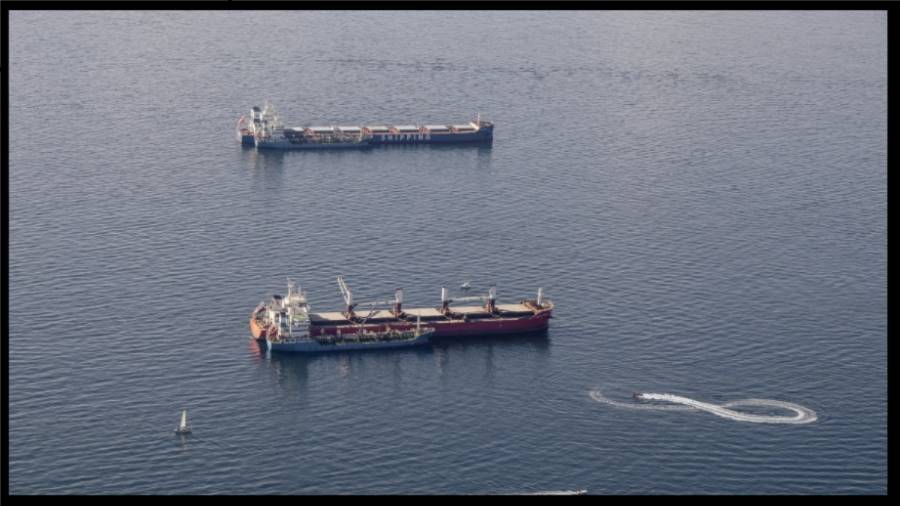
Even if the Strait of Hormuz reopens to commercial navigation, the return of oil and LNG flows will lag far behind the act of reopening the waterway itself. The latest reporting shows the gap clearly. Analysts say the shipping lane could become passable before production systems, export plants, tanker positioning, crew access, refinery restarts, insurance confidence, and destination-side logistics are ready to absorb normal volumes again. Reuters reported today that around 260 tankers are still stuck in the Gulf, about 13 million barrels of oil remain trapped in floating storage, and parts of the Gulf’s upstream and LNG system are still damaged or only partially operable. The same reporting said roughly half of Gulf oilfields could resume within two weeks, but some damaged fields may need months or even years, while Qatar’s LNG hub could take up to five years to fully restore after conflict damage.
Click here for 30 second summary of the full piece ▶
Opening the lane is only the first step
The current Gulf picture shows that navigational reopening and flow restoration are two different processes. A tanker lane can be declared open before trapped ships are repositioned, before export plants are running normally again, before crews and inspectors return, and before insurers are comfortable enough for charterers to behave as if the risk has passed.
- Shipping lag: tankers and LNG carriers are still out of position.
- Production lag: damaged fields, terminals, and liquefaction assets need repair and staffing.
- Commercial lag: insurance, charters, nominations, and destination logistics all need to normalize too.
The waterway can reopen faster than the energy system around it can heal.
| Fast reader take | Latest confirmed signal | Operational meaning | Negative flow consequence | Shows up first | Closest stakeholders |
|---|---|---|---|---|---|
| The shipping lane can reopen before ships are usable again |
About 260 tankers are still stuck in the Gulf and will be the first to move in any restart.
260 tankers stuck
positioning lag
|
The first phase of recovery will be ship clearance and repositioning, not instant normal trade cadence. | Flows stay patchy even after transit technically resumes. | Queueing, bunching, and staggered departures. | Tanker owners, charterers, brokers, terminals. |
| Oil supply can restart unevenly |
Reuters says roughly half of Gulf oilfields could resume within two weeks, but some may need months or years.
two-week partial restart
months or years for others
|
Reopening will not produce a single regional oil restart date. Recovery will be layered and uneven by field and facility. | Export volumes remain below normal long after passage becomes possible. | Partial nominations and slower load programs. | National oil companies, refiners, traders, producing states. |
| Floating storage and backlog will slow the first wave |
Reuters reports around 13 million barrels of oil remain trapped in floating storage.
13m barrels trapped
storage backlog
|
The market must unwind existing trapped cargo before it can settle into new normal movement patterns. | Backlog clearance competes with fresh loadings for logistics capacity. | Irregular tanker scheduling and slow commercial normalization. | Storage traders, tanker operators, buyers, ports. |
| LNG restoration is even slower than oil |
Qatar’s damaged LNG hub may take up to five years to fully restore, and 17% of its capacity is offline for three to five years.
17% capacity lost
3 to 5 years
up to 5 years full restore
|
LNG flows depend on liquefaction trains, loading systems, specialist shipping, and downstream scheduling, all of which are slower to reset than opening a sea lane. | LNG trade will likely recover on a longer and more uneven curve than crude oil. | Fewer available cargoes and prolonged contract strain. | QatarEnergy, Asian utilities, LNG shipowners, long-term buyers. |
| Insurance and charter behavior may lag physical reopening |
Hapag-Lloyd said last week that returning shipping to normal would still take 6 to 8 weeks once the Middle East stabilizes.
6 to 8 weeks
network normalization lag
|
Commercial systems often recover slower than navigation rules because owners, insurers, and customers wait for proof of stability. | Nominal reopening does not immediately restore normal voyage confidence. | Higher premiums, slower bookings, cautious fixture behavior. | Insurers, cargo owners, charterers, carriers. |
| Asia is already reworking supply chains around the lag |
Singapore’s GasCo has secured extra LNG cargoes from Australia and Mozambique to offset disrupted Gulf-linked supply.
replacement cargoes
Australia and Mozambique
|
Buyers are acting as if Gulf flow recovery will be too slow to rely on in the near term. | Alternative supply chains become stickier the longer Gulf normalization takes. | More substitution and longer-term diversification. | Asian utilities, LNG traders, alternative exporters. |
Hormuz Recovery Lag Calculator
This tool measures the gap between navigational reopening and true oil-and-LNG normalization. It helps estimate whether the market is closer to a shipping restart, a partial flow return, or a still-long multi-system recovery.
Recovery inputs
Adjust the tool based on vessel release, field readiness, LNG plant recovery, and how much insurance and charter confidence has actually returned.
Restart supports
Lag drivers
Fine-tune the timeline
Operational readout
The model separates reopening from true flow restoration because oil and LNG normality requires more than a navigable strait.
The current evidence points to a much faster reopening of the lane than restoration of normal oil and LNG flow.
| Stage | Flow picture | Shipping behavior | Main drag |
|---|---|---|---|
| Stage 1 Lane reopens |
Ships can transit, but flows remain highly abnormal. | Only the most urgent or positioned cargoes move first. | Backlog clearance |
| Stage 2 Shipping restart |
Tankers and carriers begin moving again, but supply stays uneven. | Oil resumes faster than LNG. | Production readiness |
| Stage 3 Partial flow recovery |
Meaningful volumes return, but not at pre-crisis rates. | Commercial confidence improves selectively. | Asset damage |
| Stage 4 System normalization |
Transit, production, insurance, and destination logistics realign. | Oil and LNG flows behave more like normal trade again. | Long-tail repairs |
In the current Gulf picture, reopening Hormuz is the visible milestone. Restoring normal oil and LNG flows is the harder, slower, and more commercially important milestone.
We welcome your feedback, suggestions, corrections, and ideas for enhancements. Please click here to get in touch.