LNG Carrier Orders Rebound Despite Iran War Shipping Uncertainty
🔔 Subscribe to ShipUniverse Weekly →
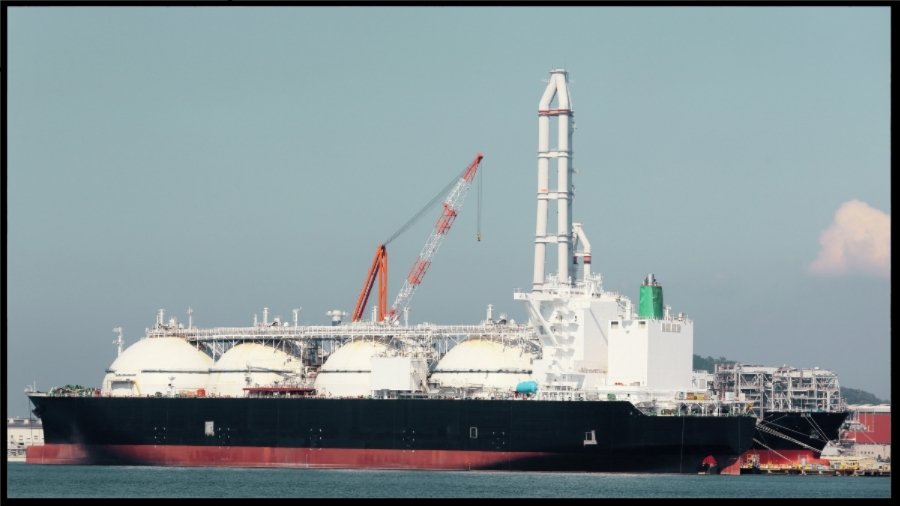
LNG carrier ordering is picking up again in 2026 even though the Iran war has made LNG shipping routes, cargo timing, and freight-market direction much harder to read. In the first quarter alone, 35 LNG carriers were ordered, almost matching the entire 2025 total after last year’s slowdown, as shipowners, yards, and charterers moved ahead on the expectation that new LNG supply from the United States, Africa, Canada, and Argentina will still require more transport capacity later in the decade. The rebound is happening at the same time the war has created a more mixed immediate shipping picture. Longer Atlantic Basin voyages, more diversions, and stronger demand for flexible tonnage support the case for new orders, but the conflict has also sidelined 12.8 mtpa of Qatari LNG capacity, delayed some projects, and added uncertainty to spot shipping demand just as up to 100 LNG carriers could be delivered this year. The result is a market that is ordering for structural growth while still trading through major short-term disruption and route risk.
The ordering market is looking past the war and into the next supply wave
The current rebound is being driven by longer-term cargo expectations even while near-term shipping conditions remain unstable.
| Order driver | Current position | Importance | Commercial effect | Next signal to watch |
|---|---|---|---|---|
| 2026 contracting pace | LNG carrier ordering has accelerated sharply in 2026. The market is already close to matching last year’s full ordering pace after only the first quarter. Ordering momentum back | This shows owners are not letting current route turmoil stop long-horizon fleet decisions. | Shipyards in Korea and China gain fresh workload while owners lock in scarce construction slots. | Whether second-quarter contracting stays strong or slows after the first burst. |
| New LNG supply growth | New export growth from the U.S., Africa, Canada, and Argentina is underpinning fleet demand. That future supply growth is the core structural reason owners still want tonnage. Cargo base still expanding | Ships are being ordered against expected multi-year export growth, not only today’s freight market. | Longer trade lists support long-duration charter planning and fleet expansion. | Whether new liquefaction timelines hold or slip again. |
| Fleet replacement | Older LNG carriers are becoming harder to justify against newer fuel-efficient designs. Fuel efficiency and emissions performance are now stronger ordering arguments than before. Replacement cycle gaining force | The market is not only growing. It is also refreshing part of the existing fleet. | Modern dual-fuel ships become more commercially attractive in long-term charter tenders. | Whether replacement-led orders grow faster than project-led orders. |
| Iran war disruption | The war is creating both positive and negative shipping effects. Longer Atlantic voyages and diversions support ship demand, but Qatari outages and project delays weaken other parts of the outlook. Supportive and disruptive at once | This is why the rebound matters so much. Ordering is rising even while the operating picture is mixed. | Owners are effectively betting that structural ton-mile demand will outweigh short-term shipping volatility. | Whether route dislocation persists long enough to tighten charter demand further. |
| 2026 delivery wave | A very large number of LNG carriers may still be delivered this year. That keeps open the risk of oversupply if liquefaction projects slip or cargo demand disappoints. Supply pressure still real | The ordering rebound is happening even with a heavy incoming fleet pipeline. | Freight markets could stay choppy if vessel deliveries outrun usable cargo growth. | Whether delivery deferrals increase or more vessels enter spot employment. |
| Owner strategy | Large shipping groups are still planning fleet growth deeper into the 2030s. That reinforces the view that LNG remains a live transport market despite current geopolitical disruption. Long-cycle confidence remains intact | The key message is that corporate strategy has not turned defensive. | Capital continues flowing into gas shipping even while short-term risk remains elevated. | Whether more owners publish multi-year LNG fleet expansion plans this year. |
The rebound matters because it shows owners are still ordering against long-term LNG transport growth even while the Iran war has made near-term shipping conditions more uncertain, more route-sensitive, and more volatile.
The market is ordering for ton-mile demand, not for today’s calm
The central idea is simple: owners expect the next supply wave to need ships even if the present freight market still looks messy.
The rebound makes sense once the market is viewed through ton-mile logic rather than only through current route anxiety. U.S. LNG is especially important in that equation because it tends to support more flexible trading patterns, longer voyages, and mid-route redirections than more rigid point-to-point supply chains. That raises ship demand per unit of LNG moved. It also means geopolitical shocks can increase shipping needs even while they damage part of the supply base. The Iran war has done exactly that: it has hurt Qatari capacity and delayed projects, but it has also reinforced the value of flexible Atlantic supply and longer-haul trade patterns.
The reason this matters commercially is that ordering is happening in front of a difficult delivery calendar. Up to 100 LNG carriers may be delivered in 2026, and some Qatar-linked ships have already been deferred into 2027 and 2028. That leaves the market balancing two truths at once. The long-range cargo case is strengthening, but the near-term fleet supply picture is still heavy. In that kind of market, owners who order are usually making a timing decision on future project demand and vessel efficiency rather than a simple call on today’s freight rate.
Atlantic Basin growth is now doing more of the work
New supply from the U.S. and other Atlantic-linked exporters is supporting the case for more ships because it increases voyage distance and trading flexibility.
Qatar damage changed the mix, not the need for tonnage
The loss of 12.8 mtpa from Qatar and delays to expansion projects hurt the short-term outlook, but they did not erase the need for modern LNG carrier capacity across the wider market.
Efficiency is helping unlock new orders
Fuel-efficient and dual-fuel vessel designs are making replacement demand more compelling, especially as emissions rules tighten and charterers focus more heavily on ship performance.
Owners are still planning for the early 2030s
Large operators continue to frame LNG as a growth business through the next decade, which is why the order rebound is more than a short-lived speculative move.
Signals on the board now
The next markers are whether second-quarter orders keep building on the first-quarter surge, whether delivery slippage expands enough to ease 2026 fleet pressure, whether Atlantic export growth continues offsetting Qatar-linked disruption, and whether more owners emphasize dual-fuel and replacement-led ordering rather than only project-linked contracting.
LNG Carrier Ordering Stress Tester
Model how future cargo growth, longer voyages, and a heavy delivery pipeline can pull LNG ship ordering higher even while current route risk stays elevated.
This model is designed for the current LNG carrier market. It shows how owners can still justify new orders when growth and replacement demand stay strong enough to outweigh delivery pressure and geopolitical disruption.
We welcome your feedback, suggestions, corrections, and ideas for enhancements. Please click here to get in touch.