

AI ETA Prediction for Ships: 2026 Guide
AI ETA prediction is where a lot of “shipping delays” quietly get decided: if your ETA is wrong, everything downstream gets noisy…
Read More →Maritime technology, engineering, autonomy and digital infrastructure.
AI ETA prediction is where a lot of “shipping delays” quietly get decided: if your ETA is wrong, everything downstream gets noisy…
Read More →
AI collision avoidance is basically the industry’s attempt to turn “what the bridge team already does” into a more consistent, less fatigue-sensitive…
Read More →
AI machine vision on ships is shifting from “nice to have cameras” to a practical bridge and operations layer: automated detection of…
Read More →
Cable Management Systems (CMS) are the “last 30 meters” technology that makes shore power practical. You can have a fully compliant shore…
Read More →
Ship Engine Monitoring Systems (EMS) are moving from “nice dashboards” to core operations tools. Going into 2026, the practical shift is tighter…
Read More →
Going into 2026, the real story of MASS is supervised autonomy and remote support becoming normal on specific routes, while the regulatory…
Read More →
Maritime cyber security is getting less “IT-only” and more “ship operations reality.” Going into 2026, the practical shift is that shipowners are…
Read More →
Remote vessel operations (ROC) is moving from “cool demo” to “managed operating model.” Going into 2026, the practical shift is that more…
Read More →
LEO satellite maritime internet is quickly turning ship connectivity from “email at sea” into something closer to an always-on office network. Going…
Read More →
Advanced modeling is becoming less about “nice-to-have engineering” and more about running ships with fewer surprises. As carbon costs and fuel rules…
Read More →
GNSS interference is showing up less like an occasional anomaly and more like an operational condition on certain trade lanes. Going into…
Read More →
Digital maritime surveillance is no longer just “coast guard stuff.” Going into 2026, it is becoming a day-to-day operating reality for commercial…
Read More →
Underwater Radiated Noise (URN) is quickly moving from “nice-to-have ESG” into something fleets will need to show work on with measurements, maintenance…
Read More →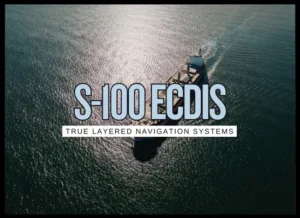
S-100 ECDIS is the shift from “one electronic chart” to a layered navigation system. Instead of a single chart dataset trying to…
Read More →
Underwater ROVs and AUVs are becoming the “underwater work crew” for ships: they inspect hulls and appendages, document damage, support in-water surveys,…
Read More →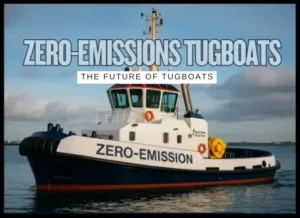
Zero emission tugboats have moved from concept to real workhorses in a few key ports. Fully electric tug fleets are already operating…
Read More →
Ship crew safety tech is getting popular for the same reason dashcams did in trucking: when something goes wrong, it goes wrong…
Read More →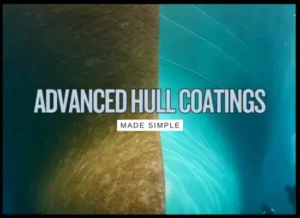
Advanced hull coatings are becoming a front-line efficiency tool because they target one of the most stubborn fuel drains in shipping: hull…
Read More →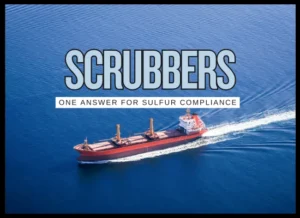
Exhaust gas cleaning systems (EGCS), better known as scrubbers, are the “sulfur compliance plumbing” bolted onto a ship’s exhaust. They let operators…
Read More →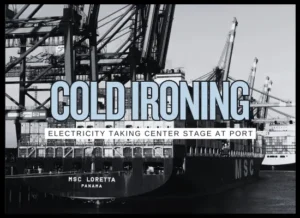
Cold ironing is the moment a ship “flips the switch” from its own engines to the pier. Instead of running auxiliary generators…
Read More →