Safety training as the foundation of professional seamanship
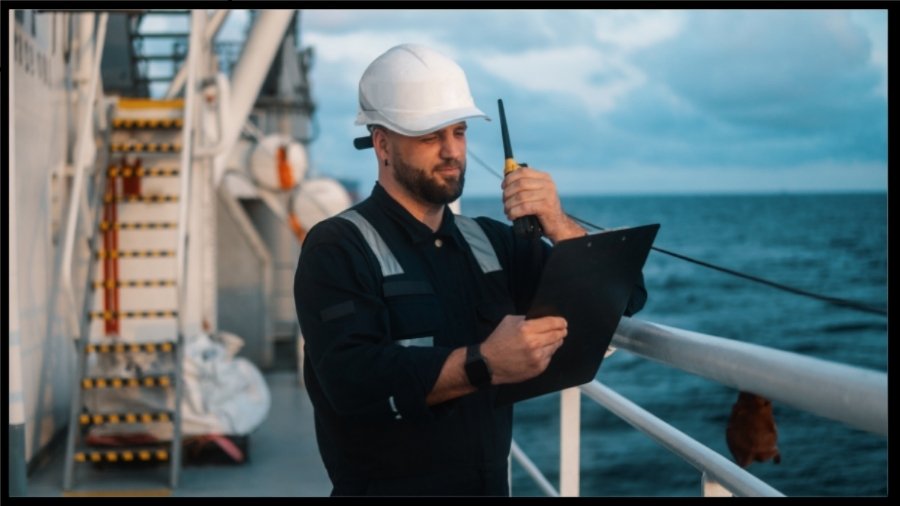
Working at sea involves responsibilities that extend far beyond daily operational tasks, because every crew member must be prepared to respond to emergencies, protect colleagues, and maintain safety on board at all times. Modern shipping operates under strict international regulations, and safety training is not simply a recommendation but a requirement for anyone who plans to work on a commercial vessel. Maritime careers begin with understanding that safety procedures, emergency response, and teamwork form the basis of professional seamanship across the global shipping industry.
International shipping relies on standardized training so that crew members from different countries can work together safely under the same procedures and expectations. Ships operate far from immediate external assistance, which means crew members must be capable of handling fires, medical incidents, evacuations, and other emergencies independently. This global approach to training ensures that every crew member, regardless of nationality or vessel type, understands the same safety principles and emergency protocols before stepping on board.
The role of safety training in maritime careers
Safety training plays a central role in the maritime industry because ships operate in environments where immediate assistance is not always available, and crew members must rely on their own training and teamwork during emergencies. Every crew member has responsibilities that contribute to the overall safety of the vessel, including fire response, emergency evacuation, first aid assistance, and maintaining safe working practices. Without proper training, even routine situations can become dangerous, which is why safety certification is required before joining most vessels.
One of the first steps for anyone entering the maritime industry is completing a STCW basic safety training course, which provides the essential knowledge and practical skills required to respond to onboard emergencies and maintain safety standards at sea. This training is mandatory for seafarers working on seagoing vessels, including deck crew, engine crew, stewards, officers, and other personnel with safety or pollution prevention responsibilities. Completing this certification is often the starting point for a maritime career and forms the foundation for further maritime training and specialization.
Safety training is important because professional seamanship includes more than navigation or engineering knowledge, as it also requires awareness of risks, emergency procedures, and communication protocols during incidents. Training ensures that crew members understand their roles during drills and real emergencies, allowing them to respond quickly and effectively. Shipping companies depend on trained crews because safety incidents can lead to injuries, environmental damage, and operational delays, which makes proper training an essential part of maritime operations.
Understanding mandatory maritime safety certification
The maritime industry operates under international regulations established by the International Maritime Organization through the STCW Convention, which sets minimum training and certification standards for seafarers worldwide. These regulations ensure that crew members across different vessels and shipping companies meet consistent safety and competency standards. Certification under this framework is required before working on most commercial vessels, making safety training an entry requirement for many maritime careers.
Mandatory certification ensures that all crew members understand emergency procedures, survival techniques, fire response, and basic medical assistance before working at sea. This approach improves safety across the entire shipping industry because crew members can join different vessels and still operate under familiar safety procedures and expectations. Standardized training also helps shipping companies maintain compliance with international regulations and safety management systems.
Core modules every seafarer must complete
Safety training for seafarers is divided into several modules that cover different emergency situations and onboard responsibilities. Each module focuses on practical skills that crew members may need during real incidents at sea.
Personal survival techniques
Personal survival training prepares crew members for situations where abandoning ship becomes necessary, including the use of life rafts, survival equipment, and emergency signaling devices. Participants learn how to enter the water safely, assist others during evacuation, and survive until rescue arrives. Training also includes procedures for cold water survival and managing group survival situations while waiting for rescue operations.
Fire prevention and fire fighting
Fire is one of the most serious risks on board ships, which is why firefighting training is a critical part of maritime safety education. Crew members learn about fire prevention, fire detection, different fire classes, and the use of firefighting equipment. Practical exercises simulate real fire scenarios so participants can practice extinguishing fires and working as a team during emergency response situations.
Elementary first aid and onboard emergencies
Medical assistance at sea often depends on trained crew members because professional medical help may not be immediately available. First aid training teaches crew members how to treat injuries, perform basic life support, manage bleeding, treat burns, and stabilize injured colleagues until further medical assistance becomes available. This training is important for all crew members because medical emergencies can occur in any work environment on board.
Personal safety and social responsibilities
This module focuses on safe working practices, communication, teamwork, and environmental awareness on board ships. Crew members learn about safe behavior, accident prevention, emergency procedures, and their responsibilities toward colleagues and the vessel. Safety culture on board depends on cooperation and communication, and this training helps crew members understand their role in maintaining a safe working environment.
Certification validity and refresher training
Maritime safety certification is not permanent, as skills and procedures must remain up to date throughout a seafarer’s career. Safety certificates are typically valid for five years, after which refresher training is required to maintain certification. Refresher courses ensure that crew members remain familiar with emergency procedures and continue to meet international safety standards.
Refresher training often includes updated procedures, new safety equipment practices, and repeated practical exercises to maintain emergency response skills. Shipping companies and maritime authorities require valid certification because safety procedures and regulations can change over time. Maintaining valid certification is therefore an important responsibility for maritime professionals who want to continue working at sea.
Choosing the right maritime training provider
Selecting a certified training provider is important because maritime certification must meet international standards and national authority requirements. Approved training centers ensure that courses include both theoretical knowledge and practical training exercises that simulate real maritime emergencies. Training providers also offer different learning formats and scheduling options to accommodate maritime professionals who may be working on rotation schedules.
Many training centers offer various STCW courses, including refresher courses, advanced firefighting training, medical training, and survival craft training, allowing seafarers to continue developing their professional qualifications throughout their careers. Combination courses and refresher programs can help seafarers maintain certification efficiently while continuing to meet regulatory requirements.
Preparing for a career at sea
Starting a maritime career involves more than technical training because safety responsibilities are part of every role on board a vessel. Crew members must be prepared to respond to emergencies, support colleagues, and maintain safety standards throughout their time at sea. Safety training is therefore one of the first and most important steps in becoming a professional seafarer.
Training providers such as FMTC offer certified maritime safety training programs that help seafarers obtain the required certification and prepare for the responsibilities of working on board commercial vessels. Completing the required safety training ensures that new crew members enter the industry with the knowledge and practical skills necessary to work safely and responsibly at sea, which benefits both individual careers and the overall safety of maritime operations worldwide.