Port Discounts & Green Rebates: The Power 6 for Shipowners
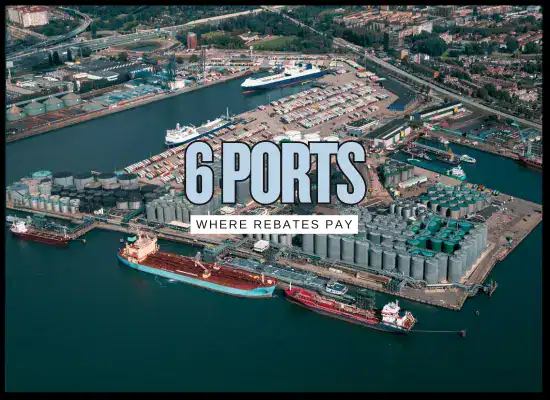
Port dues and “green” rebates are real money when the rules are clear and the evidence is tidy. This report focuses on six countries where programs are mature enough to plan around, ESI-linked dues, shore-power where available, and published eligibility you can action before PDA. For each market you’ll see what to target, the documents that unlock the discount, who to coordinate with, and the common pitfalls that make rebates disappear at invoicing.
➕ Expand: what to claim and how
- ESI-linked port dues for sea-going vessels that meet the current score threshold.
- Shore power incentives on equipped berths when a verified connection is used during the call.
- Program bundles that may combine environmental performance with operational measures. Check the current circular before ETA.
- Valid ESI certificate with a score at or above the current threshold.
- OPS readiness and use where available: compatible hardware, connection made, metered consumption recorded.
- Clean compliance history: MRV aligned, no outstanding dues disputes.
- Timing: some incentives require pre-declaration in the PDA or nomination.
- Current ESI certificate or portal printout with IMO and validity dates.
- OPS evidence when used: berth ID, connection start and stop, meter or supplier confirmation.
- Vessel particulars as required: GT/NT basis for dues, call reference, dates alongside.
- Any program form requested for the year’s incentive cycle.
- Ask the agent for the current environmental dues circular and the ESI threshold before PDA.
- Confirm which berths provide shore power and the operational window to connect.
- Insert ESI/OPS fields into your LOP/PDA template so evidence ships with the nomination.
- Check that the rebate appears on the dues line; if not, request correction while invoices are open.
- Expired ESI or score below threshold at invoicing.
- OPS connection not logged or not available at the specific berth.
- Wrong dues basis (GT vs NT) or missing call reference on supporting documents.
- Late claim submitted after the billing cycle closes.
➕ Expand: what to claim and how
- Environmental differentiation of port dues based on a recognized vessel score.
- Shore-power incentives at OPS-equipped berths when a connection is made and logged.
- Port-specific green programs that combine operational measures with environmental performance.
- Current environmental score certificate at or above the threshold published by the port.
- OPS capability and use where available with connection time recorded by berth or supplier.
- Aligned MRV and no open dues disputes for the vessel.
- Pre-declaration in PDA or nomination when required by the port circular.
- Environmental score certificate or portal extract with IMO and validity dates.
- OPS evidence if used: berth ID, connection start and stop, metered kWh or supplier confirmation.
- Vessel particulars as requested: GT/NT, call reference, dates alongside.
- Any port form for the current incentive cycle and any local green program declaration.
- Ask the agent for the current dues circular and the score threshold for your ship type.
- Confirm OPS availability at the nominated berth and the operational window for connection.
- Add score and OPS fields to your PDA template so evidence travels with the nomination.
- Verify that the rebate appears on the dues line and query discrepancies before invoices close.
- Score below threshold at time of invoicing or expired certificate.
- OPS not logged because the berth lacked equipment or connection time was missed.
- Wrong dues basis recorded or missing call reference on support documents.
- Late submission of documents after the billing cycle is closed.
➕ Expand: what to claim and how
- Environmental differentiation of port dues linked to a recognized vessel score.
- Shore power incentives at equipped berths when a connection is made and logged during the call.
- Port programs that recognize lower-emission operations or biofuel trials when evidence is provided.
- Current environmental score certificate at or above the threshold the port publishes.
- OPS capability and use where available with connection times recorded by berth or supplier.
- Evidence for any pilot participation such as biofuel blend documentation or operational efficiency records.
- Pre-declaration in PDA or nomination when the port circular requires it.
- Environmental score certificate or portal extract with IMO and validity dates.
- OPS evidence if used such as berth ID, connection start and stop, and metered consumption.
- Vessel particulars including GT or NT basis for dues, call reference, and dates alongside.
- Any current-year form or declaration required for the local green program.
- Request the current environmental dues circular and the score threshold before PDA.
- Confirm which berths provide shore power and the window to connect at your ETA.
- Add score and OPS fields to the PDA so evidence is sent with the nomination.
- Check that the rebate is shown on the dues line and follow up immediately if missing.
- Certificate expired or below the threshold when invoiced.
- OPS connection not logged because the assigned berth lacked equipment or timing did not allow.
- Wrong dues basis recorded or missing call reference on support documents.
- Submission after the billing cycle which makes adjustment harder.
➕ Expand: what to claim and how
- Environmental differentiation of port dues tied to a recognized vessel score.
- Shore power incentives at equipped berths when connection and consumption are logged.
- Local green programs or pilot schemes that combine operational measures with environmental criteria.
- Current environmental score certificate at or above the threshold in the port’s circular.
- OPS capability and connection where available, with time and kWh recorded.
- Aligned MRV and no outstanding dues disputes on the vessel.
- Pre-declaration in PDA or nomination when the port requires it.
- Environmental score certificate or portal extract with IMO and validity period.
- OPS evidence when used, including berth ID, connection start and stop, and metered consumption or supplier confirmation.
- Vessel particulars: dues basis (GT or NT), call reference, dates alongside.
- Any current-year form or declaration for the local green program.
- Request the current environmental dues circular and score threshold before PDA.
- Confirm OPS equipment at the nominated berth and the connection window at ETA.
- Add score and OPS fields to the PDA template so evidence accompanies the nomination.
- Verify that the rebate appears on the dues line and query any discrepancy before invoices close.
- Certificate expired or below threshold at invoicing.
- OPS not logged because the assigned berth lacked equipment or connection procedures were missed.
- Wrong dues basis recorded or missing call reference on supporting documents.
- Late submission after the billing cycle, delaying or preventing adjustment.
➕ Expand: what to claim and how
- Published port dues incentives for lower-emission operations where available in current-year circulars.
- Fuel-choice based incentives when using lower-carbon or alternative fuels during the call, subject to documentation.
- Recognition of participation in approved safety, efficiency, or environmental schemes as specified by circular.
- Compliance with the latest port marine circulars that specify criteria and claim windows.
- Documented fuel use on the call when relevant, with proper bunker delivery notes and mass-flow records.
- Evidence of participation or certification when the program requires an approved scheme or audit.
- Pre-declaration via agent when the circular states it is required before the call or invoicing.
- Relevant circular reference and completed claim form if the program uses one.
- Bunker documentation for the call: BDN, mass-flow meter summary, and delivery particulars.
- Sustainability certificates where blends or alternative fuels are claimed, as recognized by the program.
- Vessel particulars and call data: GT/NT dues basis, arrival/berthing/departure times, agent reference.
- Ask the agent for the latest environmental incentive circulars and confirm claim timing.
- Ensure nomination and PDA include the fields the circular requests so evidence travels with the file.
- Keep bunker paperwork complete and legible: BDN, meter printouts, supplier confirmations.
- Verify that any granted incentive appears on the dues line and follow up immediately if missing.
- Relying on an outdated circular or missing a pre-declaration deadline.
- Incomplete bunker documentation or mismatched call references on attachments.
- Assuming incentives apply to all terminals when some are program-specific.
- Submitting after the billing cycle, which complicates adjustments.
➕ Expand: what to claim and how
- Environmental differentiation of harbour/port dues linked to a recognized vessel score such as ESI.
- Shore power incentives where equipment exists and a verified connection is made during the call.
- Recognition programs that may bundle operational efficiency and environmental measures per current guidance.
- Current environmental score certificate at or above the threshold set in the port guidance.
- Shore power readiness and use where available with berthing times and metered consumption recorded.
- Accurate vessel particulars for dues calculation and a clean compliance record for the call.
- Pre-declaration via agent when the program requires notice before invoicing.
- Environmental score certificate or portal extract showing IMO and validity period.
- Shore power evidence when used: berth identifier, connection start/stop, metered kWh or terminal confirmation.
- Vessel particulars and call data including dues basis (GT/NT), arrival/berthing/departure times, and reference numbers.
- Any current-year form or declaration specified by the port’s incentive program.
- Request the latest environmental incentive guidance and confirm the score threshold before PDA.
- Verify shore power availability at the intended berth and the connection window at ETA.
- Add score and shore-power fields to the PDA template so evidence travels with the nomination.
- Confirm that the discount appears on the dues line and follow up before invoices close if it does not.
- Certificate expired or below threshold at invoicing.
- Shore power not logged because the assigned berth lacked equipment or timing did not allow connection.
- Wrong dues basis or missing call reference on supporting documents.
- Late submission beyond the billing cycle, which complicates adjustments.
Keep it simple and consistent: add ESI/OPS fields to your PDA template, verify berth shore-power ahead of ETA, log connections and times, attach certificates and call references, and confirm the rebate shows on the dues line before invoices close. Maintain a one-page tracker per country (thresholds, forms, contacts, last success date) and refresh it each quarter. The aim isn’t chasing every scheme, it’s capturing the dependable ones, every time.
We welcome your feedback, suggestions, corrections, and ideas for enhancements. Please click here to get in touch.