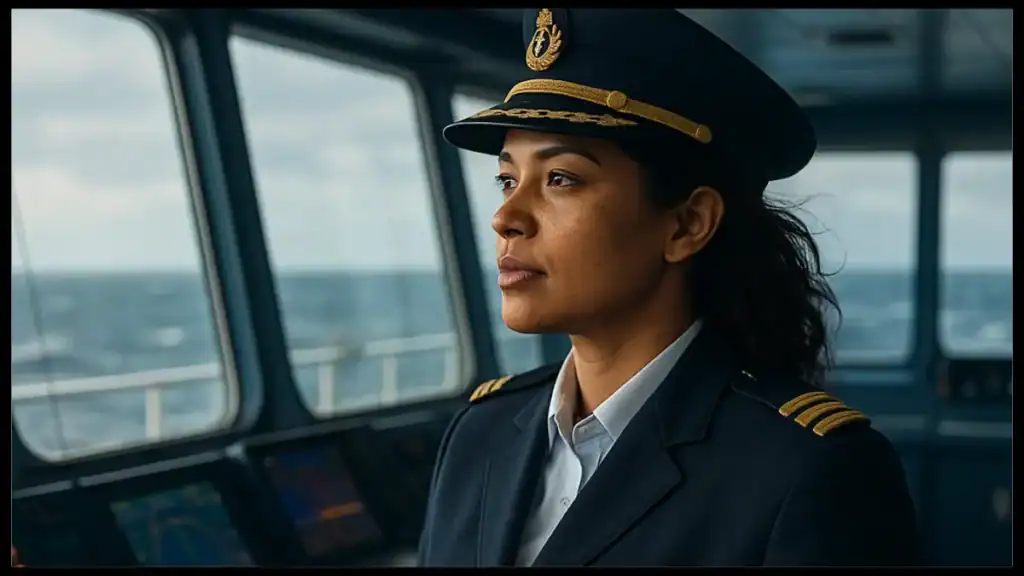
Recognition, strategy, data, and leadership appointments are aligning to push women’s participation in shipping forward. Marine Log named its latest Top Women in Maritime cohort; the Arab Women in Maritime Association (AWIMA) finalized a regional five-year plan; the IMO hosted a symposium and launched its latest Women in Maritime survey; results from that survey spotlighted progress and gaps; and Peel Ports appointed its first female Group Harbour Master. Together, these moves signal practical steps, visibility, policy, evidence, and role-model leadership, rather than rhetoric alone.
Recent Milestones for Women in Maritime
Milestone
Who / Where
Info
Importance
Outlook
Top Women in Maritime winners announced
Marine Log (global recognition)
Annual awards highlight 20 leaders across shipowning, ports, towage, yards, and services.
Raises visibility, builds networks, and showcases role models across segments.
Broader industry uptake of mentorship and sponsorship programs linked to the awards.
AWIMA finalizes five-year strategy
Arab Women in Maritime Association (MENA)
Regional plan set to increase participation, training access, and policy coordination.
Creates a structured roadmap that ports, academies, and regulators can align with.
Implementation via national chapters and targeted skills programs.
IMO symposium & survey launch
International Maritime Organization (London)
High-level event convened stakeholders and introduced the latest Women in Maritime survey effort.
Anchors policy discussions in comparable data and shared practices.
Follow-on guidance for administrations, industry associations, and training bodies.
Women in Maritime Day survey results
IMO/WISTA collaboration
Findings highlight representation levels, progress areas, and persistent barriers.
Gives owners, ports, and educators evidence to set targets and measure outcomes.
Refinement of KPIs around hiring, retention, and leadership pipelines.
First female Group Harbour Master
Peel Ports Group (UK)
Appointment of Capt. Susan Cloggie-Holden as Group Harbour Master.
Breakthrough leadership post signals widening talent pathways in port operations.
Potential ripple effects on recruitment, promotion, and succession planning at major ports.
Note: Items reflect verified announcements and publications from recognized industry and institutional sources.
Industry Impact Overview:
Recognition programs, regional strategies, and fresh survey data are converging to move diversity from rhetoric to routine practice in maritime. With a flagship awards list raising visibility, AWIMA’s strategy offering a regional roadmap, and IMO/WISTA surveys standardizing data, owners, ports, and training bodies have clearer levers to grow and retain women across sea and shore roles. Early senior appointments signal that pipelines are beginning to translate into leadership.
Key Impacts:
Pipelines with purpose: Survey-backed targets help academies and operators align cadet berths, apprenticeships, and bridge/engine officer tracks.
From mentoring to sponsorship: Programs are shifting toward measurable sponsorship (budget, stretch roles) rather than informal mentoring alone.
Procurement pull: Charterers and ports increasingly reference workforce metrics in RFPs, nudging suppliers to show progress.
Safety and retention focus: Fit-for-purpose PPE, reporting channels, and on-board culture audits reduce attrition in early career stages.
Comparable data becomes currency: Regularized surveys make it easier to benchmark, share practices, and justify funding.
Practical Levers to Advance Women’s Participation in Maritime
Lever
Who Owns It
What To Implement Next Quarter
Evidence of Progress
Risks / Watchouts
Sponsorship Pathways
Shipowners, port authorities
Name senior sponsors; assign budgeted development plans for identified talent
Promotions to watchkeeping/first-line leadership; tracked career moves
Token roles without budget or decision rights
Cadet & Apprenticeship Slots
Maritime academies, crewing firms
Reserve minimum berths; pair with sea-time guarantees and mentor-of-record
Completion rates; first contract conversion after sea time
Audit PPE fit; refresh reporting channels and anti-harassment training on board
Near-miss and grievance closure metrics improving
Paper compliance without crew confidence or uptake
Data & Benchmarking
Industry associations, HR leads
Adopt common survey fields (sea/shore, rank bands); publish an annual scorecard
Year-on-year movement by rank and function
Inconsistent definitions across vendors and portfolios
Procurement & Charter Signals
Cargo owners, charterers, ports
Include workforce metrics in RFPs; award tie-break points for verified progress
Supplier disclosures; scoring visible in award memos
Box-ticking or unverifiable claims (need assurance)
Mid-Career Returnships
Operators, OEMs, classification societies
Paid 3–6 month refreshers tied to permanent roles (bridge/engine/port ops)
Return-to-work conversion and 12-month retention
Short-term internships without role commitments
Visibility & Role Models
Media, awards bodies, HR
Feature operational leaders (masters, pilots, harbour masters) in recruitment content
Applicant diversity metrics for hard-to-fill roles
Spotlighting without creating follow-through pathways
Regional Coordination
Regional networks (e.g., AWIMA), port clusters
Align training grants, simulator time, and port internships across hubs
Placement rates into sea-going and harbour roles
Fragmented funding; duplication between programs
Leadership Succession Planning
Boards, C-suite, port executives
Run slate reviews; set targets for shortlists at superintendent and above
Diversity of promotion shortlists and final appointments
Targets without governance or board oversight
Note: This table complements current milestones by translating them into near-term actions, owners, and measurable outcomes across sea and shore roles.
At Ship Universe, we've been encouraged to see momentum building around the inclusion of women in maritime. We've followed this space for years, and it's clear that progress is happening, not just in headlines, but in real leadership appointments, policy shifts, and global strategy. We’ll continue spotlighting these changes as they unfold, because we believe a stronger maritime future includes everyone.