Washington Targets the IMO Net-Zero Framework as Fleet Planning Enters a New Uncertainty Phase
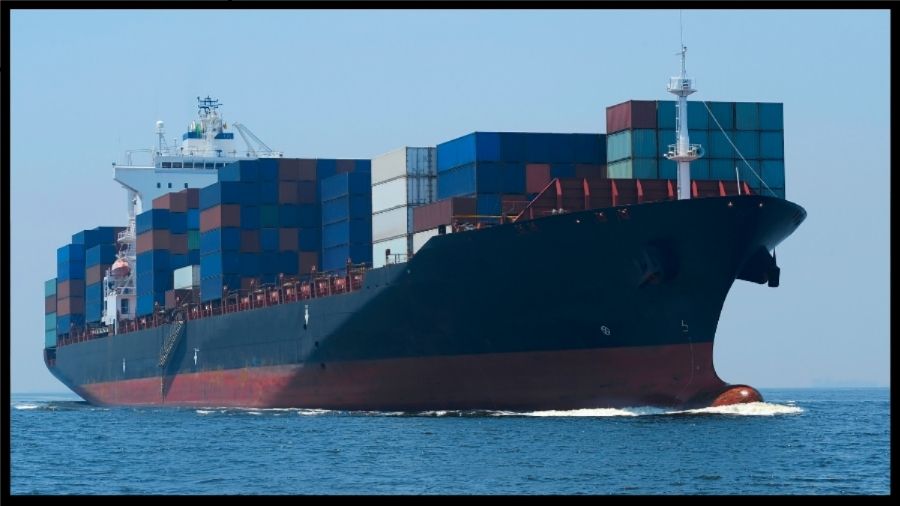
The U.S. has taken an openly hostile position toward the IMO Net-Zero Framework, opposing the draft rules that would combine a global marine-fuel standard with greenhouse-gas pricing for international shipping. The framework was approved in draft form at MEPC 83 in April 2025, but formal adoption was later deferred after IMO members adjourned the October 2025 extraordinary session and agreed to resume negotiations in 2026. Against that backdrop, Washington withdrew from the April 2025 talks, urged other countries to reject the package, and later said governments backing the framework could face retaliatory measures. As it stands in March 2026, the framework remains approved in principle but not yet formally adopted, leaving shipowners, charterers, fuel suppliers, financiers, and compliance teams planning against a rule set that is politically supported at IMO but still exposed to major U.S. resistance and a delayed international timeline.
Subscribe to the Ship Universe Weekly Newsletter
Click here for 30 second summary of the full piece ▶
The rulebook is drafted, but the politics are still live
The IMO Net-Zero Framework was approved in draft form in April 2025 as the first global shipping package to combine mandatory fuel-intensity limits with greenhouse-gas pricing, but it was not formally adopted after IMO members adjourned the October 2025 session and pushed the process into 2026. The U.S. has opposed the package, withdrawn from talks, and urged other countries to reject it, leaving fleets and fuel suppliers planning around rules that are real enough to shape decisions but still exposed to political disruption.
- Framework status: approved in draft form at IMO, but formal adoption was delayed after the October 2025 session was adjourned.
- U.S. position: Washington has rejected the package, opposed emissions-based charges, and pressed other countries not to support it.
- Industry effect: compliance planning, fuel strategy, and capital spending are now being shaped by both the framework itself and the possibility of a longer, more contested implementation path.
The shipping industry is no longer planning against a simple yes-or-no decarbonization rule. It is planning against a framework that exists in draft, has wide international backing, but remains vulnerable to delay, redesign, and political retaliation.
| Pressure lane | Current regulatory position | Immediate fleet effect | Capital and fuel planning effect | Compliance and enforcement effect | Watch item |
|---|---|---|---|---|---|
| Framework status |
The IMO Net-Zero Framework was approved in draft form at MEPC 83 in April 2025, but formal adoption was deferred after the extraordinary session was adjourned in October 2025.
Draft but unfinished
|
Companies cannot treat the package as fully locked, but they also cannot dismiss it as theoretical because the core structure is already on the table. | Fuel pathway choices, retrofit timing, and long-lead investment decisions remain tied to a framework that still shapes expectations even without final adoption. | Compliance preparation becomes more scenario-based, with teams needing to plan for implementation without having all final rules and dates settled. | The next major signal is whether negotiations in 2026 narrow differences enough to restore a formal adoption path. |
| Framework design |
The draft package combines a global fuel standard with GHG pricing under a new Chapter 5 of MARPOL Annex VI.
Two-layer rule set
|
Owners are planning for a regime that affects both the carbon intensity of fuel used and the cost of non-compliance or deficit balancing. | This creates different economics for conventional fuels, transitional fuels, and zero or near-zero alternatives. | Compliance exposure is not just a technical matter. It becomes a budgeting, chartering, and trading question as well. | Final implementing guidelines will matter almost as much as the headline rules because they determine how deficits, transfers, and contributions are actually handled. |
| U.S. opposition |
The U.S. withdrew from the April 2025 talks, rejected emissions-based charges, and urged other states not to back the package.
Political disruption risk
|
Companies now need to plan around the possibility that a major shipping and trading power may resist the framework even if a broad IMO coalition supports it. | That can slow decision-making on fuel contracts, alternative-fuel bets, and vessel-upgrade programs where regulatory clarity is needed to justify large spending. | Enforcement risk becomes more uneven if political resistance translates into delayed implementation, countermeasures, or fragmented alignment across jurisdictions. | Watch whether U.S. resistance remains mainly diplomatic or expands into a wider effort to deter other governments from adopting the package. |
| Timeline distortion |
The original pathway pointed to formal adoption in October 2025 and entry into force in 2027, but the adoption stage slipped when talks were adjourned.
Schedule slippage
|
Fleet managers now face a longer period where the likely direction of travel is clear but the exact implementation path is not. | Delays can encourage some companies to wait, but they can also raise costs for those that postpone too long and later need to catch up quickly. | Compliance programs are pushed toward a rolling-preparedness model rather than a simple countdown to a fixed start date. | The key question is whether delay becomes a short pause in finalization or the start of a more fundamental redesign battle. |
| Industry planning signal |
The framework remains a live reference point for shipowners, charterers, fuel suppliers, and financiers even without final adoption.
Planning still anchored
|
Commercial teams still need to think through exposure by fleet type, age profile, fuel pathway, and charter structure. | Investment cases for dual-fuel ships, retrofits, and fuel-supply arrangements remain highly sensitive to whether the framework survives largely intact. | Companies that ignore the framework entirely risk being underprepared if negotiations resume successfully and implementation accelerates again. | The practical planning challenge is no longer whether the framework exists. It is how much of it survives political attack and how quickly. |
This tool is designed for the current environment, where the IMO framework exists in draft but the adoption path is politically contested. It helps translate that uncertainty into planning numbers by combining fleet size, annual fuel spend, expected compliance cost, delay in implementation, and the share of capital spending tied to decarbonization decisions that could be accelerated, deferred, or repriced.
We welcome your feedback, suggestions, corrections, and ideas for enhancements. Please click here to get in touch.