War Planning Widens as Fujairah Disrupts and Gulf Infrastructure Comes Under Fire
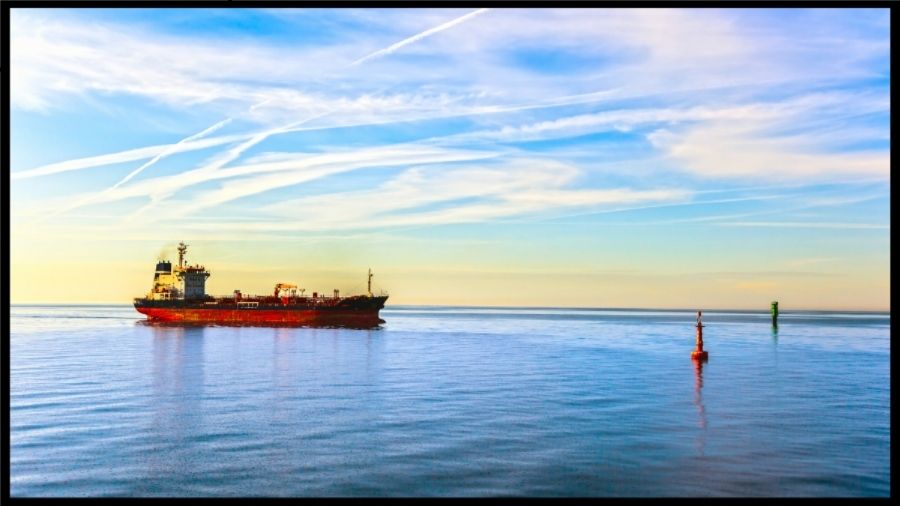
The latest escalation in the Gulf is no longer only a shipping-lane story. It is increasingly affecting the infrastructure that helps keep regional trade and energy flows moving when conditions in and around the Strait of Hormuz become more difficult. Recent disruptions are putting pressure not just on vessels at sea, but also on ports, fuel systems, and alternative export and routing hubs. Fujairah stands out because it plays an important role in handling cargo and energy flows outside the Strait itself, giving the market added flexibility when Hormuz transit is under strain. When a node like Fujairah is disrupted while the wider strike pattern is still expanding, the effect goes beyond a single incident and raises broader concerns about delays, rerouting capacity, and the reliability of the region’s backup logistics network.
Subscribe to the Ship Universe Weekly Newsletter
Click here for 30 second summary of the full piece ▶
The Gulf disruption story now includes the fallback infrastructure
The latest attacks matter because they are no longer concentrated only on ships and chokepoint transit. Fujairah, one of the Gulf’s most important export and storage nodes outside Hormuz itself, was disrupted again, while the wider strike pattern has also reached fuel storage and other regional infrastructure. That shifts the story from a narrow shipping hazard into a broader logistics-system shock.
- Infrastructure hit: Fujairah suffered another disruption, showing that even the Gulf’s bypass and relief nodes are not insulated.
- Shipping effect: when ports, fuel systems, and transit lanes are pressured at the same time, owners move more cautiously and cargo timing becomes less reliable.
- Market consequence: the more fallback infrastructure gets pulled into the strike pattern, the harder it becomes for the region to reroute, normalize loading, and absorb delay without stronger freight and energy effects.
This is turning into a multi-node Gulf disruption. Once the market starts losing confidence in both Hormuz transits and the infrastructure designed to reduce Hormuz dependency, the cost of delay, substitution, and operational friction can spread faster across shipping and energy flows.
| Impact lane | Latest escalation marker | Immediate shipping effect | Freight and energy transmission | Port and terminal consequence | Importance |
|---|---|---|---|---|---|
| Fujairah disruption |
Fujairah oil loading was halted again after a fresh strike before later resuming.
Infrastructure node risk
|
Shipping loses confidence in a key export and storage hub that normally helps the region keep cargo moving when Hormuz is under pressure. | Even temporary interruption can raise delivered-cost uncertainty because the market starts pricing not only route risk, but fallback-node risk too. | Schedules around loading, bunkering, and storage become harder to defend when a major energy-handling node becomes stop-start rather than dependable. | Fujairah is valuable precisely because it helps bypass some Hormuz dependence. If that valve falters, the whole Gulf system becomes tighter. |
| Strike pattern broadening |
The regional picture now includes attacks affecting fuel infrastructure as well as ships and approaches.
Multi-node pressure
|
Owners and operators must model not just transit safety but service continuity at the infrastructure layer around the voyage. | This shifts disruption from a single chokepoint narrative into a broader system-stress narrative involving storage, port rhythm, and regional routing alternatives. | Terminals face more risk of pauses, uneven working windows, and a buildup of cargo or vessel demand when operations restart. | Markets cope better with one broken point than with several shaky ones. The more nodes are stressed, the more persistent the distortion can become. |
| Transit compression |
Security reporting has already highlighted a steep drop in Hormuz traffic and more vessel clustering near UAE and Omani approaches.
Queue and holding risk
|
Reduced movement means ships spend more time waiting, staging, and trying to avoid predictable patterns. | Effective supply shrinks when voyage cycles lengthen, which can support stronger freight even before physical trade volumes fully recover. | Wave-release arrivals become more likely, producing berth stress and cargo bunching after quiet periods. | Delay is no longer a side effect. It has become one of the main cost channels in the Gulf system. |
| Owner risk posture |
More operators are managing the Gulf as a live war-risk operating environment rather than as a temporarily volatile market.
Behavior change risk
|
Caution rises not only because of direct strike risk, but because the reliability of routing assumptions keeps weakening. | Freight pressure can stay elevated even on quieter news days because owners and charterers price uncertainty, not just headlines. | Ports outside the hottest zone may absorb rerouted or deferred cargo, raising congestion migration risk. | Once behavior changes across multiple fleets, recovery usually lags behind any one-off operational resumption. |
| Energy market effect |
Crude markets are already reacting to repeated strikes on export and storage infrastructure around the Gulf.
Oil-plus-shipping shock
|
Shipping becomes part of the energy problem because impaired movement and impaired infrastructure reinforce one another. | The market is forced to price not just missing barrels, but slower barrels, harder-to-route barrels, and more expensive barrels. | Terminal operations, storage management, and onward distribution all become less smooth when flows arrive in bursts or are redirected. | This is the kind of setup where freight, insurance, and energy costs can stay firm together instead of normalizing separately. |
We welcome your feedback, suggestions, corrections, and ideas for enhancements. Please click here to get in touch.