VLCC Shortage Sends Newbuild Supertankers Sprinting Empty for Crude
Subscribe to the Ship Universe Weekly Newsletter
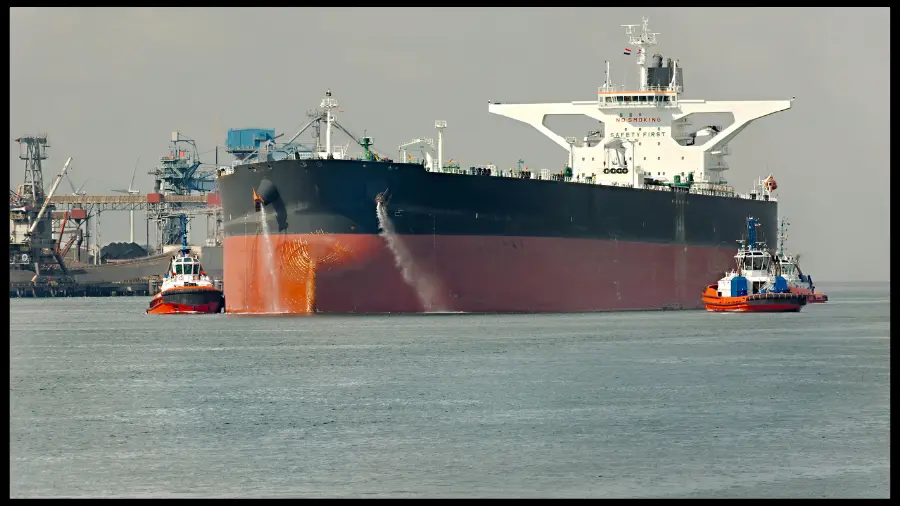
Refinery-fresh VLCCs that would normally start life carrying refined products out of Asia are now sailing in ballast straight to crude loading areas, as owners chase tight slots in an overheated crude market. The unusual pattern is a clear signal that available VLCC tonnage is stretched, with longer voyages, sanctions reshuffles, and stronger demand all combining to lift earnings and redraw deployment plans.
Click here for 3 second VLCC snapshot
New VLCCs are skipping the usual product voyages and racing in ballast to lift crude instead, a clear sign that available large crude tonnage is thin and earnings on core routes have firmed.
- Market tone – Prompt VLCC lists are tight on key long-haul crude trades, supporting stronger spot and time-charter levels.
- Cost and planning – Oil majors and traders face higher freight and less flexibility on late liftings, with more value in early cover and COAs.
- Fleet decisions – Owners weigh fresh orders, life extensions and retrofit spend against today’s strong returns and an older global VLCC fleet.
| VLCC spot earnings | Strong | |
| One-year time charter appetite | Active | |
| Effective fleet utilisation | Elevated | |
| New ordering momentum | Cautious |
- More ballast sprints for crude are a sign that VLCCs are in demand even before formal fixtures are signed.
- Firm spot returns support stronger levels on time charters and can improve loan and refinancing conversations.
- Modern, fuel-efficient ships are better placed to capture the upside where longer routes magnify bunker savings.
- Competition for prompt hulls raises freight for late-planned liftings and reduces flexibility on load dates.
- Crude trades that once relied on “opportunistic” VLCC cover may need more structured COAs or period cover.
- Longer tonne-mile patterns make it harder to reposition ships quickly when margins or arbitrages shift.
| Segment | Readout |
|---|---|
|
Core VLCC owners Direct beneficiaries |
Higher utilisation and firmer earnings across benchmark routes, with the best upside on flexible, younger ships able to switch quickly between Atlantic and Pacific employment. |
|
Oil majors and traders Freight cost risk |
Pay more for last-minute coverage and may need to adjust contract terms, hedging or sourcing patterns if tightness persists into new trading cycles. |
|
Suezmax / aframax owners Indirect impact |
Some crude flows can be split into smaller parcels when VLCCs are scarce, tightening utilisation in adjacent tanker sizes on specific routes. |
|
Older VLCC tonnage Short-term lift |
Tight conditions can keep ageing ships in play for longer, but regulatory and class timelines still cap how far life extension can go in practice. |
The empty sprint of new VLCCs into crude loadings is a visible symptom of how tight the large crude carrier market has become. For now it supports firmer earnings and asset values across much of the VLCC fleet, while pushing freight and planning risk back onto cargo interests. How long that pattern lasts will depend on fresh ordering decisions, any shift in sanctions-driven trade flows, and whether longer-haul crude routes remain the norm rather than the exception.
We welcome your feedback, suggestions, corrections, and ideas for enhancements. Please click here to get in touch.