Venezuela’s Tanker Trade Splits in Two Lanes
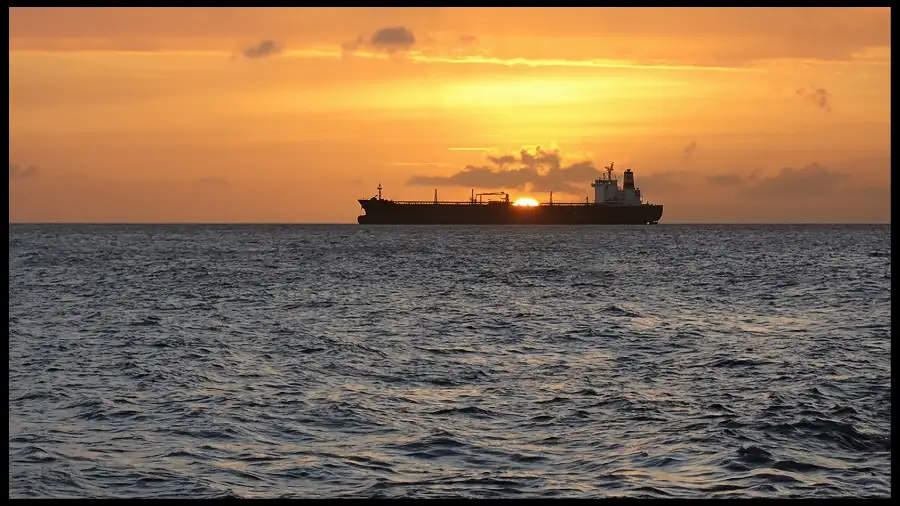
Venezuela’s seaborne oil picture is now running in two parallel lanes: a narrow, U.S.-authorized flow where a Chevron-chartered cargo has resumed loading and sailed for the U.S. Gulf Coast after a short pause, and a wider grey lane where about a dozen loaded tankers reportedly departed with AIS turned off. The operational impact is less about a single cargo and more about how quickly screening, insurance comfort, and port-service decisions tighten when track history goes dark.
Subscribe to the Ship Universe Weekly Newsletter
Click here for 30 second summary
Venezuela’s tanker flows restart, but the market is splitting into two lanes
A Chevron-chartered tanker resumed Venezuelan crude exports to the U.S. after a brief pause, keeping a narrow, authorized route open. At the same time, reporting described about a dozen loaded tankers leaving Venezuela with AIS switched off, pushing more liftings into a low-visibility “grey lane” that tends to trigger heavier screening and more service friction.
-
The visible change on the water
One compliant, licensed export line restarts while a larger set of tankers moves in “dark mode” and is harder for counterparties to clear quickly. -
Where the delay risk shows up
AIS gaps and disputed documentation can slow approvals, raise the chance of service refusal, and reduce destination options even after vessels sail. -
What it signals
The gap between mainstream tonnage and grey tonnage is widening, with different pricing and optionality depending on track history and counterparties.
Venezuela-linked tanker trading is moving again, but visibility is getting worse, and that is what drives the near-term shipping impact: more checks, more friction, and a clearer split between authorized liftings and grey departures.
Two tanker lanes are now visible in the same water
The latest reporting describes a sharp split: Chevron resumed a U.S.-authorized export lift to the U.S. Gulf Coast after a short pause, while a separate group of mostly sanctioned tankers reportedly departed with AIS switched off and, in some cases, missing standard flag or safety documentation. The practical shipping impact shows up as execution friction: more checks, more denials, and more uncertainty around where a voyage can actually complete.
The two-lane picture in one screen
Lane 1: authorized liftings
A Chevron-chartered tanker departed with about 300,000 barrels of Venezuelan heavy crude bound for the U.S. Gulf Coast, with Reuters describing Chevron as the only company currently authorized by Washington to export Venezuelan crude under the embargo framework.
Lane 2: grey liftings
Reporting based on documents and satellite data described about a dozen loaded tankers leaving in “dark mode,” carrying an estimated 12 million barrels, with many vessels already under sanctions and some said to be lacking clean flag registration or up-to-date safety documentation.
Sequence that explains the congestion risk
Blockade posture tightened, ships waited
Reuters described an effective blockade environment that left loaded ships sitting in Venezuelan waters, and it linked export stoppages to storage constraints and offshore barrels building up.
A release valve opened, departures clustered
The “dark mode” flotilla began moving, while Chevron’s authorized lane restarted in parallel. When departures bunch, the strain shifts to screening queues, port service decisions, and destination acceptance.
Where execution friction shows up first
The fastest “commercial shock” tends to appear before any court filing or official notice reaches a terminal gate. It shows up when counterparties decide what they will touch and what they will not.
- AIS loss and identity confidence issues push screening teams into manual track reconstruction and longer holds.
- Unclear flag registration or safety documentation raises the chance of service refusal or delayed port entry decisions.
- Insurance comfort can become a gating item when class, documentation, or routing history is disputed.
- STS moves and long-haul Asia routing can add extra checkpoints even after a vessel clears Venezuelan waters.
The storage angle behind the sailings
Reuters reporting connected the export halt to storage pressure, including large volumes of crude accumulated offshore and output curtailments. That matters for shipping because “storage stress” often produces clustered departures once a decision is made to move barrels, which can briefly tighten local marine services and push more traffic into anchorages and waiting areas.
Voyage friction dial (interactive)
This dial is a visualization of how quickly a Venezuela-linked voyage can shift from normal execution to high-friction execution based on the conditions highlighted in current reporting. It is illustrative, not predictive.
AIS switched off during departure
Reporting described “dark mode” sailings from Venezuela, which increases verification and screening time.
Vessel is already under sanctions
Reuters described many of the departing tankers as already sanctioned.
Flag or safety documentation is disputed
Reuters reported some tankers departed without proper registration or safety documentation.
Long-haul routing toward Asia
Reporting described many of the cargoes as heading toward Asia, which tends to add more checkpoints and counterparties.
Licensed export lane applies
Turn this on only if the movement is clearly within an authorized framework like the Chevron lane described by Reuters.
Friction level: High
Score: 0/100
Higher scores imply longer screening queues, greater service denial probability, and more uncertainty around completion options.
Venezuela’s tanker system is now showing a clear bifurcation: Reuters reported a Chevron-chartered cargo restarting the authorized U.S. Gulf flow, while a separate group of mostly sanctioned tankers moved out in “dark mode,” some without standard flag or safety documentation, after a period of storage-driven export stress. The near-term shipping effect is less about one headline sailing and more about how quickly the region’s screening and service ecosystem tightens when voyage visibility drops.
We welcome your feedback, suggestions, corrections, and ideas for enhancements. Please click here to get in touch.