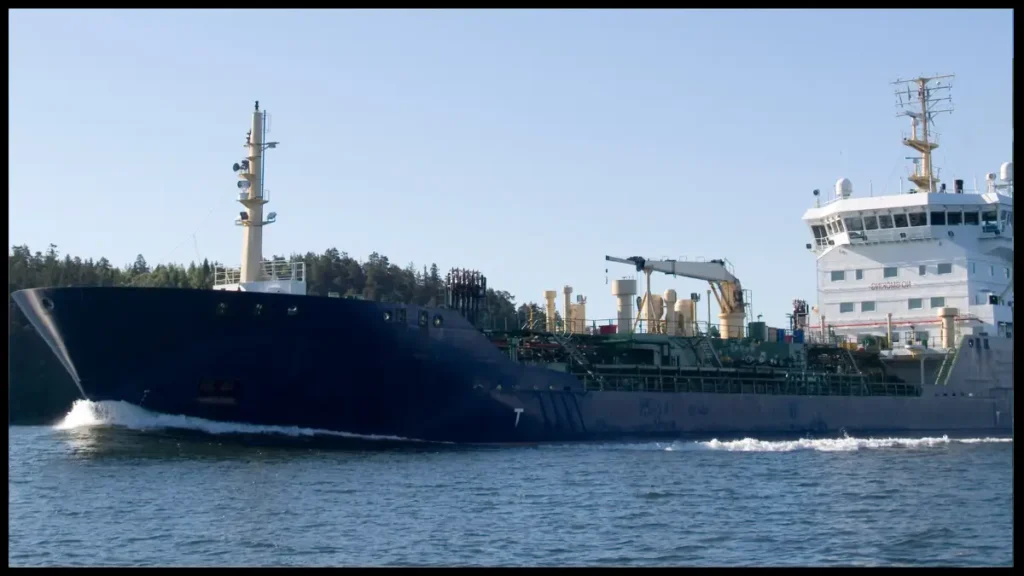
Britain has moved against Russia’s two largest oil firms and dozens of “shadow fleet” tankers, adding asset freezes, service bans, and transport restrictions that aim to choke off oil revenues and deter sanctions evasion. The package also names third-country nodes linked to Russian flows, widening compliance risk for charterers, banks, and insurers. For shipping, the near-term mix is tighter crude tonnage, higher due-diligence costs, and a likely reshuffle of routes and pricing.
UK Targets Russian Oil and Shadow Tankers: Industry Impact
Story
Impact
Business Mechanics
Bottom-Line Effect
Rosneft and Lukoil added to UK sanctions list
Key upstream and trading arms face UK asset freezes and service prohibitions.
Restrictions curb access to UK maritime, finance, legal, and trust services tied to listed entities.
📉 Counterparty pool narrows and legal costs rise for compliant trades.
Dozens of tankers in the shadow fleet identified
Specified hulls face bans on UK services, raising detention and diversion risk.
Clubs, brokers, and banks screen IMO numbers and ownership chains more tightly.
📈 Effective supply drops on compliant lanes, supportive for VLCC and Suezmax TCEs.
Sanctions extend to non-Russian terminals and refiners
Facilities linked to Russian flows face UK measures, creating routing friction.
Payments, insurance, and berth access can be curtailed for implicated nodes.
📉 Throughput pressure at named sites, 📈 tonne-miles lift as cargoes reroute.
Tighter enforcement of oil price cap services
Service providers face greater liability if documentation is weak or spoofed.
Attestation chains, AIS histories, and bill of lading trails are audited more often.
📉 Higher compliance overhead per voyage, possible delays that erode TCEs.
Freight premia and cover constraints
Risk pricing broadens on routes with exposure to listed hulls and counterparties.
War-risk, sanctions clauses, and deductibles adjusted to reflect enforcement risk.
📈 Day rates supported where compliant tonnage is scarce, 📉 higher insurance costs on marginal trades.
Fixture cycles slow and clauses tighten
More refusals of service for opaque owners and traders.
Sanctions warranties, change-of-law, and diversion clauses become gating items.
📉 Longer negotiation time and admin cost, 📈 premium for transparent ownership.
Refiners and traders reassess feedstock and routes
Delivered costs rise where sanctioned firms were central to supply chains.
Alternative grades and blend strategies sought, with more circuitous voyages.
📉 Margins pressured if spreads do not cover added logistics and compliance.
Supply and demand watch points
If large volumes divert or stall, prompt availability tightens near key discharge regions.
Storage and floating inventory can rise if trades pause for checks or re-papering.
📈 Near-term rate volatility likely, 📉 demurrage risk elevated around named ports.
Notes: Summary reflects UK actions announced mid October and related reporting. Effects vary by fleet transparency, financing, and exposure to listed counterparties and routes.
📈 Winners
Transparent crude ownersP&I clubs with strong KYCVoyage data providersNeutral transshipment hubs
📉 Losers
Designated hull ownersOpaque trading affiliatesHigh-risk STS service nodesTerminals tied to named flows
Sanctions Chain Stress Test
$0 compliance
$0 delay
$0 total
$0.000 per bbl
Illustrative calculation of per-voyage friction under tighter screening and potential detentions.
Hull Risk Flags
Ownership opacity
Frequent transfers, shell entities, or nominee directors.
AIS anomalies
Dark activities or spoofing near STS hotspots.
Service history
Prior refusals by clubs, terminals, or flag states.
Routing Pressure Board
Corridor
Pressure point
Operational effect
Russia to Asia long haul
Designated hulls and service bans
Longer fixture cycles, higher risk premia
STS transfer chains
Enhanced monitoring near known STS zones
Additional attestations, potential delays
Third-country terminals tied to flows
Bank and insurer screening at berth
Selective refusals, rerouting to neutral hubs
Attestation Stack Checklist
Beneficial ownership and manager verification
Price cap documentation with invoice trail
AIS track continuity across load, STS, and discharge
Terminal and refinery due diligence confirmations
Club cover confirmations and sanctions clauses
The UK’s expanded sanctions regime marks a turning point in the maritime oil trade, effectively shrinking the usable tanker pool and increasing compliance risk across global supply chains. The crackdown on Russia’s oil giants and the shadow fleet is already tightening freight availability, lifting rates for transparent operators while driving up due diligence and insurance costs industry-wide. Over the next quarter, freight markets may remain volatile as owners, brokers, and refiners recalibrate exposure, but the underlying trend favors cleaner ownership structures and verified trade flows, making transparency the most valuable cargo on board.