U.S. “Sanctioned Tanker” Blockade Tightens as Venezuela Sends Naval Escorts
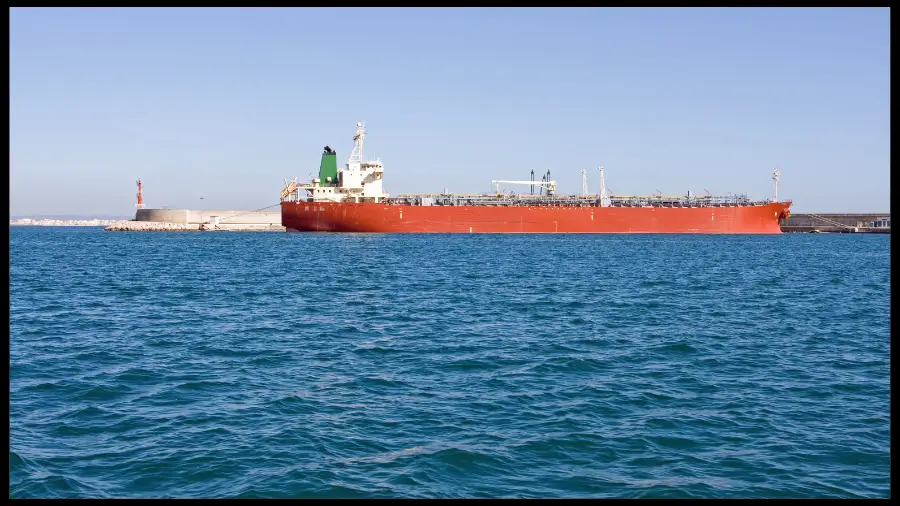
The U.S. has escalated pressure on Venezuela’s oil trade by ordering a blockade focused on oil tankers already under U.S. sanctions moving into or out of Venezuelan waters. The move follows the U.S. seizure of a VLCC carrying Venezuelan crude, and it has quickly changed tanker behavior in the Caribbean: multiple scheduled liftings have been disrupted, vessels have turned around or loitered, and a growing volume of crude and products has remained stuck offshore. Venezuela has responded by using naval escorts on some departures, raising the risk profile for any attempted interdiction near Venezuelan waters.
Click here for 30 second summary
Venezuela oil tankers hit a new risk wall after U.S. blockade order
U.S. pressure tightened around Venezuela-linked shipping after President Trump ordered a blockade aimed at oil tankers already under U.S. sanctions entering or leaving Venezuelan waters. The move followed a recent U.S. seizure of a supertanker carrying about 1.85 million barrels of Venezuelan crude. Vessel behavior shifted quickly, with multiple tankers turning away and large volumes of oil reported to be stuck offshore as contracts and logistics are reworked.
-
On-the-water reality
Tankers have reversed course instead of calling, some departures have been reported alongside naval escorts, and voyage timing has become harder to trust even when cargo is technically ready. -
Execution friction
Screening, insurance, and payment risk rose after the seizure and blockade signal. PDVSA also reported resuming deliveries after a ransomware hit to administrative systems, using manual workarounds during recovery. -
How the trade is splitting
The highest pressure sits on sanctioned and high-risk tonnage and on supply chains reliant on fragile routing or documentation. Licensed liftings under U.S. authorization have been described as continuing, creating a clearer divide between permitted and higher-risk lanes.
This has become a shipping disruption, not just a sanctions headline. The near-term impact is fewer willing ships, more barrels waiting on the water, and higher voyage failure risk for Venezuela-linked liftings, while clearly licensed and compliant cargo flows gain relative advantage.
- ⚓More predictable service access: mainstream ports, finance, and documentation.
- 🧾Higher emphasis on paperwork quality and traceability.
- 🧭Voyage planning still sensitive to counterparties and routing optics.
- 🔍Screening intensity tends to rise when enforcement headlines dominate.
- ⛔More probability of boarding, detention, seizure, and voyage failure.
- 💼Rapid tightening in insurance, finance, and service availability.
The Venezuela tanker situation has shifted from sanctions background noise to a front-page operational disruption, with enforcement signals and naval escorts reshaping how ships approach, load, and depart. With PDVSA also working through a cyber-related administrative disruption, the trade has begun to split into clearer “permitted” lanes and higher-risk lanes, leaving more barrels waiting on the water and increasing uncertainty around timing and execution. The next phase will be defined by how consistently the U.S. applies the blockade posture against sanctioned vessels and whether the standoff changes routing and ton-miles across Caribbean and Atlantic flows.
We welcome your feedback, suggestions, corrections, and ideas for enhancements. Please click here to get in touch.