U.S. LNG Record Run as Middle East Disruption Pulls Cargoes East
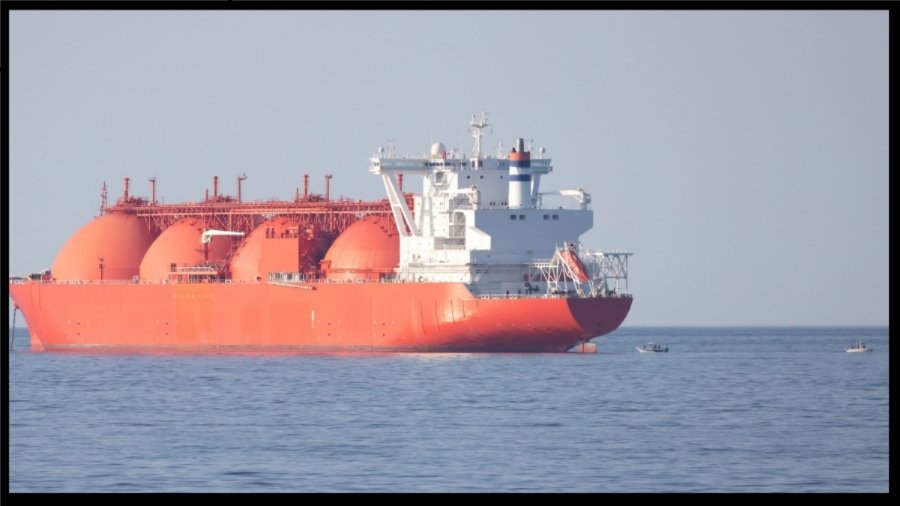
U.S. liquefied natural gas exports climbed to a new monthly record in March, as global buyers scrambled to replace volumes lost or delayed by the Middle East supply shock and by the disruption of shipping through Hormuz-linked routes. Preliminary ship-tracking data show U.S. LNG exports reached 11.7 million metric tons in March, beating the previous monthly high of 11.5 million tons set in December. Asia sharply increased its intake of U.S. cargoes, with volumes rising to 1.99 million tons from 970,000 tons in February, while Europe still remained the largest overall buyer at 7.49 million tons, or about 64% of March exports. The shift reflects a market in which Qatar’s damaged export system, the loss of large Gulf LNG volumes, rising Asian spot prices, and the flexibility of U.S. destination-free cargoes combined to redirect trade from the Atlantic basin toward deficit buyers farther east.
Subscribe to the Ship Universe Weekly Newsletter
Click here for 30 second summary ▶
U.S. cargoes surged as Asia bid harder and Gulf supply stayed constrained
March turned into a record month for U.S. LNG exports as global trade patterns bent around the loss of Middle East supply and the disruption of traditional Gulf-linked flows. U.S. plants ran above nameplate levels, new capacity began contributing, and buyers leaned on destination-flexible American cargoes to replace missing or delayed volumes. Asia’s pull strengthened sharply as regional prices rose, but Europe still took the largest share of U.S. exports overall, showing that the Atlantic basin is still being used as the market’s balancing pool even while a larger slice of cargoes is being dragged east.
| Trade lane | Latest marker | Immediate market read | Why U.S. cargoes moved first | Shipping and destination effect | Next checkpoint |
|---|---|---|---|---|---|
| Middle East supply loss | Qatar and UAE LNG volumes moving through Hormuz-linked routes were heavily disrupted. Missing supply became the trigger | The trade shock started with the loss or delay of Gulf supply, not with a sudden collapse in end-user demand elsewhere. | The U.S. has destination-flexible cargoes that can be redirected faster than more rigid supply systems. | Atlantic cargoes started behaving like replacement barrels for buyers further east, especially in Asia and MENA-adjacent deficit markets. | Watch for any restoration timeline out of Qatar and for whether additional outages become long-duration rather than temporary. |
| Asia price pull | Asian spot LNG averaged $21.65 per mmBtu in March versus $16.17 for Dutch TTF. East pulled harder | Asia had to bid more aggressively to attract marginal cargoes away from shorter-haul Atlantic destinations. | Flexible U.S. cargoes can follow price signals quickly when destination economics widen enough. | More U.S. molecules moved west-to-east even though Europe continued taking the largest aggregate share. | Watch whether Asian spot premiums stay high enough to keep pulling cargoes east through April. |
| Europe balancing role | Europe still took 7.49 million tons, about 64% of U.S. March exports. Atlantic buffer still active | Europe did not lose its role as the main balancing basin. It simply had to share more of the flexible Atlantic pool. | Europe’s regas capacity and trading liquidity still make it the largest absorber of U.S. LNG volumes. | The shift is not Europe losing cargoes wholesale. It is Europe facing a tighter contest for marginal supply. | Watch whether Europe’s share starts slipping more sharply if Asian prices remain elevated and Gulf supply stays constrained. |
| New U.S. capacity | Golden Pass started first LNG production and Cheniere added output from Corpus Christi expansion. New capacity hit on time | Extra U.S. liquefaction arrived into a market that suddenly needed replacement volumes fast. | New production mattered because existing U.S. plants were already running hard and spare flexibility elsewhere was limited. | The record could be surpassed again if ramp-up continues and demand stays elevated. | Watch first cargo timing from Golden Pass and sustained ramp-up rates at new and expanded trains. |
| Floating destination decisions | More than 1 million tons of U.S. LNG left port without a final destination locked in. Trade flow still repricing mid-voyage | Some cargoes were effectively waiting for the market to tell them whether Europe, Egypt, Asia, or another buyer would pay more. | Destination flexibility works best when cargoes can stay commercially mobile while freight and spot prices adjust. | Anchoring near Suez or signaling for orders is a sign that route economics remain fluid, not settled. | Watch whether those floating cargos resolve eastbound, Mediterranean-bound, or back toward Atlantic buyers. |
| Freight response | LNG freight rates jumped sharply after the Middle East strike wave intensified. Transport cost joined the squeeze | Higher shipping rates make long-haul replacement flows more expensive even when molecules are available. | The farther cargoes move from the U.S. Gulf to Asian demand centers, the more freight starts to matter in delivered cost. | The record export story is therefore not only about production. It is also about how much buyers are willing to pay to move replacement cargoes farther east. | Watch whether Atlantic and Pacific LNG freight stay elevated or normalize as trade routes settle. |
We welcome your feedback, suggestions, corrections, and ideas for enhancements. Please click here to get in touch.