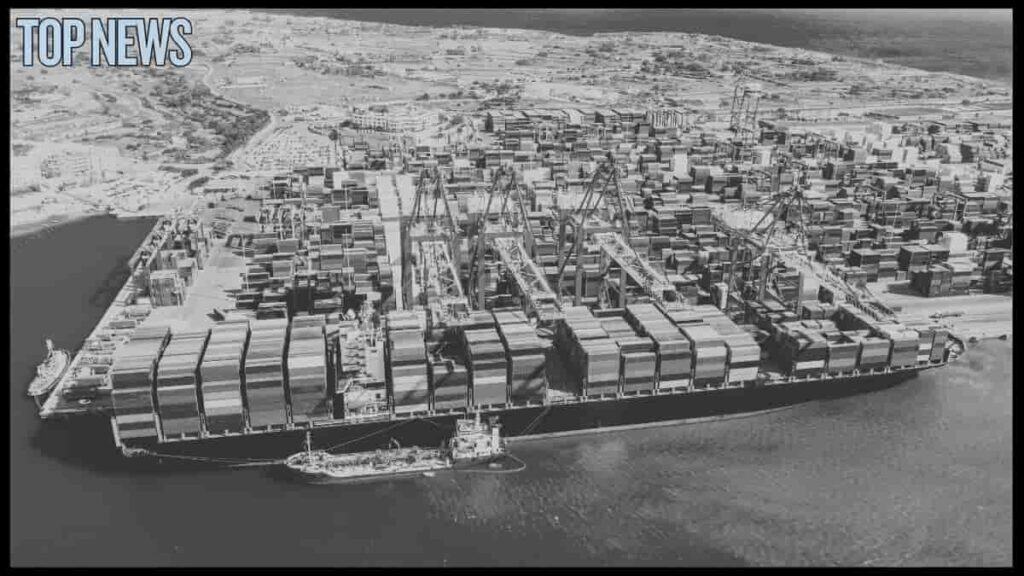
The last few days have been unusually active for maritime shipping. Cross-border corridors are moving forward in South Asia, India is layering new governance tools on top of port reform, and U.S. regulators have shaken offshore logistics with a high-profile stop-work order. At the same time, safety incidents and LNG timeline shifts are rippling through fleet operations. Here is a clear, source-based snapshot of the ten developments shaping the picture right now.
Key shipping developments and operational effects
Event
Location
What happened
Impact on shipping
India–Bangladesh coastal link progresses
South Asia
Officials advanced a coastal corridor connecting Indian and Bangladeshi ports. The route would bypass congested land borders and cut container and bulk costs.
If executed, feeder operators may gain steady volumes, and trucking could lose share. Strong potential for shorter transit and cost savings for shippers in textiles, agri-commodities, and light manufacturing.
India explores maritime satellite capacity
Indian coast & EEZ
Plans unveiled for either a dedicated satellite or leased transponder to monitor vessel traffic, fishing zones, and port approaches.
Could raise oversight in crowded sea lanes like the Arabian Sea approaches. Also enhances data transparency for insurers and charterers evaluating risk exposure.
Baltimore bulk carrier explosion
U.S. Mid-Atlantic
A coal carrier explosion disrupted the port channel near a high-profile bridge collapse site. The vessel was stabilized and traffic eventually resumed.
Even with limited damage, incidents amplify concerns about safety in older bulkers. Insurers and port authorities likely to impose stricter inspection regimes in the short term.
Indian Ports Bill modernizes governance
India
The new legislation updates a colonial-era framework, aligning port oversight with global standards and creating space for private-public coordination.
Positions Indian ports to compete for larger share of Asia–Europe traffic. Likely to attract investment from terminal operators and improve turnaround times.
India boosts Maritime Development Fund
India
Funding allocation raised to stimulate port-led growth and shipyard upgrades, including coastal shipping clusters.
Provides a government-backed capital channel at a time of tight credit. Could accelerate ordering of small and mid-size vessels and new repair facilities.
Boxship captain arrested for intoxication
Seattle, U.S.
A container ship master was detained by the U.S. Coast Guard after failing a sobriety test while docked.
Spotlights human-factor risks at a time of growing vessel size and complexity. May push carriers to tighten crew monitoring and expand zero-tolerance training protocols.
U.S. halts Revolution Wind project
U.S. Northeast
Federal authorities issued a stop-work order on a nearly complete offshore wind project, citing regulatory and safety reviews.
Creates ripple effects for heavy-lift contractors and cable-laying vessels. Heightens perceived regulatory risk for offshore wind developers and their marine suppliers.
Lake Charles LNG export timeline extended
Louisiana, U.S.
The Department of Energy granted more time for developers to begin exporting LNG from the terminal.
Delays ripple through LNG carrier employment planning and long-term charter agreements. Traders may recalibrate supply schedules for Atlantic Basin customers.
Russian oil flows interrupted
Central Europe
Pipeline deliveries to Hungary and Slovakia were suspended after conflict-related strikes in Ukraine.
Tanker demand rises to cover gaps in pipeline supply. May lead to temporary spikes in Aframax and Suezmax chartering rates on Black Sea and Med routes.
Fire incident aboard Marie Maersk
At sea, liner trade
One of Maersk’s ultra-large containerships required tug assistance after a container fire reignited mid-voyage.
Adds to mounting concern about container fire risk on ULCVs. Insurers and P&I clubs likely to revisit fire suppression standards and cargo declaration compliance.
Note: Developments are based on verified reports from government releases, company statements, and industry sources.
Industry Impact Overview
The latest run of maritime news illustrates how intertwined regulation, infrastructure, and operational safety have become in global shipping. We’ve seen governments in Asia push forward with modernization and funding, while the U.S. dealt with offshore project delays, LNG timelines, and onboard safety enforcement. The overall effect is a reminder that financial flows, political will, and safety culture are converging to shape how ships move and how ports adapt.
Key Impacts
Policy and Regulation Drive Change: India’s port reforms and fund expansion show governments are steering shipping with new legal and financial levers.
Operational Safety in the Spotlight: Arrests, shipboard fires, and explosions highlight vulnerabilities that directly affect trust in maritime logistics.
Energy Transition Uncertainty: U.S. offshore wind stoppages and LNG project delays underline how fragile the energy-shipping nexus remains.
Geopolitics Redirecting Flows: Russian oil supply interruptions emphasize the link between conflict and tanker market adjustments.
Technology and Oversight: Proposals like India’s maritime satellite point to how surveillance and governance tools are being scaled up for efficiency and safety.
Structural Undercurrents Behind the Headlines
Theme
Economic Effect
Operational Signal
Long-Term Direction
Government-led modernization
Creates stronger incentives for private capital to enter port and shipbuilding sectors.
India’s Ports Bill and development fund commitments.
More states may replicate blended finance and updated governance frameworks.
Safety and compliance pressure
Rising costs for owners from investigations, insurance claims, and downtime.