Third Shadow Fleet Tanker hit as Ukraine’s Drones disable Suezmax in Black Sea
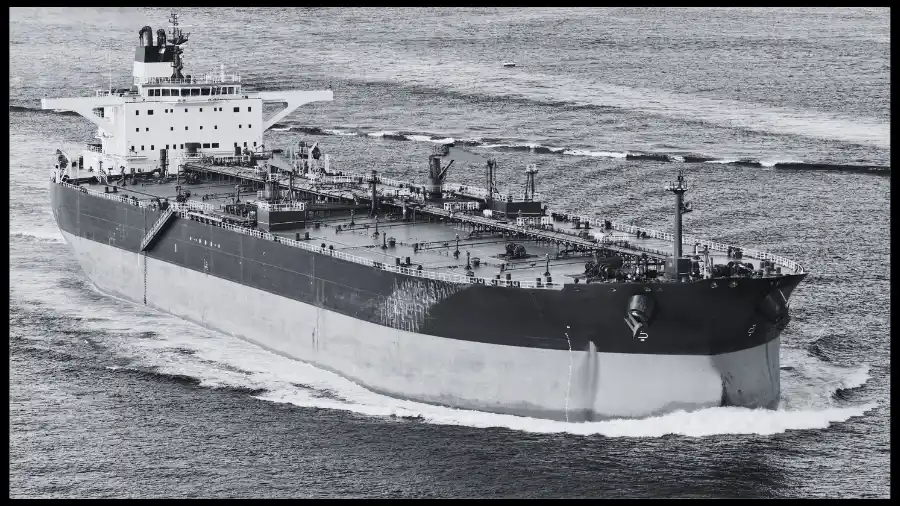
'Ukraine has confirmed a new sea-drone strike on the Comoros-flagged suezmax tanker Dashan in the Black Sea, the third attack on a Russian “shadow fleet” tanker in recent weeks after the Kairos and Virat. The vessel was reportedly unladen and headed toward Novorossiysk in Ukraine’s exclusive economic zone when it was hit, reinforcing Kyiv’s strategy of targeting opaque tonnage supporting Russia’s oil exports and pushing war-risk costs higher for any owners trading near the region.

📊 Subscribe to the Ship Universe Weekly Newsletter
Click here for 30 second summary

Dashan strike and what it means for tankers

Ukraine has disabled a third Russia linked shadow fleet tanker in the Black Sea, the suezmax Dashan, using sea drones. This confirms a sustained campaign against opaque tankers moving Russian crude and adds another high profile loss to a small but concentrated pool of ships operating in that trade.

  • Strike pattern Three tankers hit within roughly a month shows that earlier attacks were not isolated events. Unladen or laden status matters less than ownership, routing and role in Russian export logistics, which are now clearly under targeted pressure.
  • Cost and cover effects War risk premiums for Black Sea calls are moving higher, with tighter checks on flag, beneficial ownership, AIS history and sanctions exposure. For some shadow tonnage, acceptable cover or finance terms may no longer be available on normal conditions.
  • Fleet consequences Disruption to shadow fleet capacity can tighten effective supply in certain size classes and routes, which may support earnings for compliant tankers. At the same time, operators that depend heavily on Russian barrels face higher physical risk, port friction and potential asset devaluation.
Bottom line The Dashan strike cements shadow fleet tankers as active targets rather than background noise in the Black Sea. Tanker markets now have to factor in the possibility of further losses, shifting export routes and sustained war risk pricing as a central part of trading decisions connected to Russian oil.
Ukraine’s third strike on Russia’s shadow fleet tanker: Industry Impact
Item Summary Business mechanics Bottom-line effect
Suezmax Dashan targeted by sea drone A Ukrainian naval drone struck the Comoros-flagged suezmax Dashan in the Black Sea while it was unladen and reportedly heading toward Novorossiysk through waters within Ukraine’s exclusive economic zone. The vessel is part of Russia’s shadow fleet used to move crude outside mainstream insurance and banking channels. Damage to a fully operational suezmax underlines that this campaign is aimed at ships providing lift for sanctioned Russian oil flows rather than random targets. 📉 Extra days at anchor raise costs for owner and charterer as hull checks, repairs and cover questions slow employment decisions. 📈 Sends a clear signal that documentation for sanctioned or older ships will be tested in practice, not just on paper.
Third shadow fleet tanker hit in series The Dashan strike follows earlier drone attacks on the tankers Kairos and Virat, marking the third hit on shadow fleet tonnage in roughly two weeks and confirming a sustained Ukrainian campaign against this segment. A repeated pattern forces underwriters, banks and charterers to reassess how they treat vessels associated with Russia’s opaque logistics network. Every new incident raises perceived loss probability for similar ships, not just the individual hull that was hit. 📉 Raises the risk discount on shadow fleet values and pushes financing, insurance and charter access further out of reach for some vessels. 📈 Sends a clear signal that shifting employment toward compliant trades can preserve asset liquidity.
War-risk pricing and cover terms Each successful attack feeds into war-risk models for Black Sea voyages, with insurers already lifting quotes and tightening cover wording for ships trading near Russian and some Ukrainian ports. Underwriters look at flag, age, technical management, ownership transparency, AIS behaviour and trade history. Shadow fleet vessels that rely on alternative or lightly regulated cover are more exposed, while mainstream fleets may face higher deductibles and closer scrutiny on routing. 📉 Extra days at anchor raise costs for owner and charterer when war-risk approvals and premium decisions hold up sailing orders. 📈 Sends a clear signal that cleaner compliance files and transparent ownership can support continued access to reputable cover.
Crude export flows and tonne-mile impact Disruption to shadow fleet tankers complicates Russia’s efforts to move crude through Black Sea routes, and could redirect volumes to alternative outlets or loadports if attacks persist. Traders may spread liftings across different routes or employ a higher share of compliant tonnage to reduce operational and reputational risk. That can alter tonne-mile demand, shift which basins see tighter supply, and influence regional rate spreads for suezmax and Aframax fleets. 📉 Any forced rerouting or long outage on damaged ships can remove lift from the market and distort regional availability in the short run. 📈 Sends a clear signal that flexible fleets positioned outside the highest risk lanes can benefit from dislocated earnings.
Political and regulatory backdrop Kyiv’s strikes support Western efforts to curb sanctions evasion, while Moscow has responded with threats against shipping tied to Ukraine’s supporters, raising the political temperature around Black Sea trades. Regulators and sanctions authorities can point to these incidents when pressing banks, insurers and owners to clamp down on opaque trades. At the same time, operators have to balance legal and physical risk against commercial opportunities in a more volatile security environment. 📉 Heightened political risk raises the chance of sudden route changes, contract disputes and stranded assets for vessels closely linked to Russian exports. 📈 Sends a clear signal that early moves toward cleaner employment and stronger sanctions controls can protect fleet value.
Notes: Based on public reporting that Ukrainian naval drones struck the Comoros-flagged suezmax Dashan in the Black Sea, following earlier attacks on the tankers Kairos and Virat, and on subsequent commentary about war-risk pricing and political reaction. Actual exposure and cost impact vary by vessel, counterparties, cargo and routing; operators should rely on up to date legal, sanctions and insurance guidance for specific voyages.
Signal board after the Dashan strike
Simple directional read of how the third tanker hit in the Black Sea campaign is landing for fleets, financiers and charterers.
Operational risk level
Shadow fleet focus
Very high for opaque Russian trades
  • Repeat hits on tankers used for Russian crude exports highlight targeting of specific logistics chains.
  • Unladen tankers are not viewed as safe by default if they are headed to Russian loadports.
Insurance and finance response
Pricing pressure
Higher war premiums and tighter checks
  • War cover for Black Sea calls is being repriced, with closer checks on flag, ownership and trade history.
  • Lenders and lessors pay more attention to how dependent collateral is on Russia linked employment.
Market structure and earnings
Mixed effects
Regional disruption but also support
  • Shadow fleet disruption can tighten effective tanker supply and support earnings for compliant tonnage.
  • Routing changes and uneven flows create local spikes in rates and idle days, depending on basin and ship size.
Risk gradient by fleet segment
Segment Current readout
Shadow fleet suezmax and Aframax tankers Highest direct exposure. Physical risk, cover availability and port reception all under strain after three strikes in short succession.
Mainstream crude and product tankers serving the region Elevated war premium and routing friction but stronger access to insurance and finance compared with opaque tonnage.
Tankers with little or no Black Sea exposure Limited operational risk yet still affected by changes in tonne mile demand, regional spreads and asset pricing.
Directional view only. Actual risk depends on specific ship, counterparties, route and sanctions profile.

The strike on the Dashan confirms that Ukraine’s campaign against Russia’s shadow fleet is no longer a one off but a persistent feature of the Black Sea risk landscape. For now the main pressure sits on opaque Russian crude logistics and the vessels that serve them, yet the pricing of war cover, routing choices and earnings patterns is already rippling into the wider tanker market and will remain a live factor in voyage economics for the months ahead.

We welcome your feedback, suggestions, corrections, and ideas for enhancements. Please click here to get in touch.
By the ShipUniverse Editorial Team — About Us | Contact