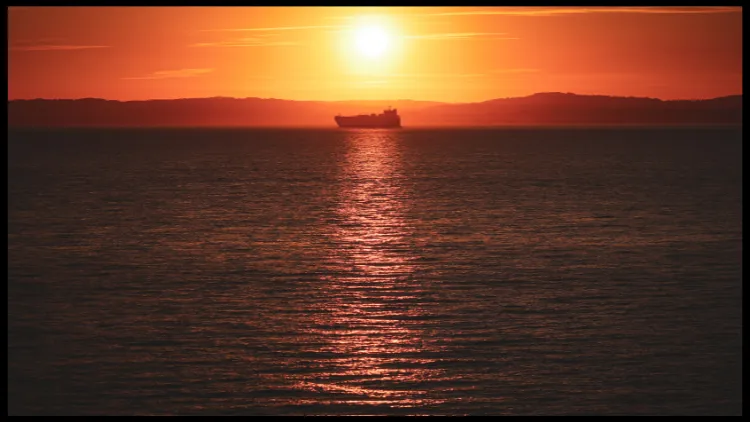
A Malta-flagged product tanker named Hellas Aphrodite was boarded by armed pirates on November 6, 2025, roughly 549 to 560 nautical miles off central Somalia while sailing gasoline from Sikka, India to Durban, South Africa. The crew of 24 retreated to the citadel, were reported safe, and a European Union naval asset moved toward the scene. Alerts from UKMTO cited a boarding at 02°05’N 057°10’E. Security firms reported small-craft attackers using small arms and RPGs and operating from a hijacked Iranian fishing vessel used as a mothership. Authorities said this is the most serious Somali piracy escalation in over a year.
Click here for 30 second summary
Simple Summary in 30 Seconds
On November 6, 2025, the Malta-flagged products tanker Hellas Aphrodite was boarded in deep water about 550 nautical miles east-southeast of Somalia. The crew reached the citadel and were reported safe, and a European naval asset moved toward the scene. Advisories cited a boarding near 02°05’N 057°10’E. Reports indicate small craft attackers likely supported by a hijacked fishing mothership. The voyage was Sikka, India to Durban, South Africa.
🚨 What happened
Armed pirates boarded a Malta-flagged product tanker far offshore. The crew secured in the citadel and sent alerts. Naval forces and UKMTO advisories followed.
📍 Where and route
Approximate position near 02°05’N 057°10’E, well beyond coastal risk bands. The ship was sailing gasoline from Sikka to Durban across the Indian Ocean.
🛡️ Risk and cost effect
A wider threat radius means higher war-risk and K&R premiums, more use of embarked guards, higher speed margins, and possible waypoint offsets that add days and fuel.
📌 Bottom line: The boarding pushes the risk map outward. Expect near-term security and insurance costs to rise on exposed Indian Ocean routes until interdictions curb activity.
Hellas Aphrodite Boarding: Impact Summary
Issue
Summary
Business Mechanics
Bottom-Line Effect
Incident snapshot
Malta-flagged product tanker boarded in the Indian Ocean on Nov 6 while on an India to South Africa run. Crew secured in citadel and reported safe as naval response closed in.
Citadel prevents immediate hostage taking and buys time for naval forces.
📉 Schedule uncertainty for nearby trades and vessels on similar routes.
Where it happened
Boarding reported near 02°05’N 057°10’E, about 549 to 560 nm from the Somali coast, well beyond traditional coastal risk bands.
Attack radius expands the zone where owners consider risk controls and routing margins.
📉 Wider area to insure and patrol raises operating cost on a larger footprint.
Modus operandi
Small craft with small arms and RPGs. Reporting indicates use of a hijacked Iranian fishing vessel as a mothership to extend range.
Motherships enable deepwater approaches and multiple sorties before interdiction.
📉 More credible deepwater threat increases security and fuel speed margins.
Security posture
No armed team reported on board. Vessel altered course and speed before boarding. Crew mustered to safe room.
Onboard posture and watch routines determine time to citadel and distress calls.
📉 Operators may add guards or higher steaming speeds, lifting voyage OPEX.
Naval response
EU Operation Atalanta directed an asset to the scene. UKMTO issued warnings and coordinates to shipping in vicinity.
Response time depends on nearest warship position and sea state.
🔁 Relief once presence arrives, but delays and diversions can still accrue costs.
Insurance and contracting
War risk premia and kidnap and ransom cover reassessed for deepwater lanes east of Somalia.
Premiums and security surcharges adjust with incident frequency and range.
📉 Higher premiums, security team costs, and potential rider clauses on fixtures.
Market impact lens
Effective supply tightens on routes where prudent detours and speed changes are adopted.
Longer passages and avoidance of hotspots reduce available ship-days.
📈 Supportive for spot earnings if disruptions persist on clean and crude legs.
Trend context
First successful Somali piracy boarding of a commercial ship in over a year, amid several recent approaches and attempts.
Weather window and mothership use can lift incident counts seasonally.
🔁 Risk level subject to patrol density and interdictions in coming weeks.
Notes: Details reflect reports from maritime security firms and official statements. Distances are approximate. Effects vary by ship type, speed policy, and contract terms.
Incident stamp
Vessel: Hellas Aphrodite (products tanker)
Flag: Malta
Voyage: Sikka, India → Durban, South Africa
Position reported: near 02°05’N 057°10’E
Crew: reported safe in citadel
Deepwater boarding reported far offshore; naval response notified.
Boarding reported Nov 6
Mothership tactic noted
Transit risk meter
Indicative pressure on Indian Ocean product and crude routes
Higher near-term vigilance and security costs on exposed lanes
Insurance pulse
War-risk and K&R reassessments likely if attempts continue
Positive / Negative quick scan
Naval presence mobilized
Citadel procedures effective
Tighter prompt supply can support TCE
Premiums and guard costs up
Speed margins lift fuel burn
Wider detour radius
Route lens
Direct track with security posture
Maintain route with onboard watch routines and safe-room drills
Add embarked guards where policy allows
Expect slightly higher fuel use from speed margins
Offset waypoints to avoid clusters
Adjust waypoints to skirt recent incident coordinates
Accept extra distance and time allowances
Coordinate with insurers on routing notes
Time arrival with patrol windows
Monitor naval advisories and UKMTO updates
Stagger ETA to pass during higher patrol density
Balance schedule integrity versus risk posture
What typically moves cost
War-risk and K&R premiums adjusted after incidents
Embarked security team day rates and logistics
Fuel from higher average speed and deviations
Schedule buffers and charter-party rider clauses
Signals to watch next
Further deepwater approaches using motherships
Interdictions or arrests that curb activity
Advice updates from UKMTO and naval task forces
Insurance circulars revising additional premiums
This boarding shifts the risk map outward into deep water. Owners on Indian Ocean routes are likely to spend more on security, fuel and insurance until patrols and interdictions cool the pattern. The market impact is a tighter pool of prompt ships where caution adds time and cost, with earnings support possible if disruptions persist.