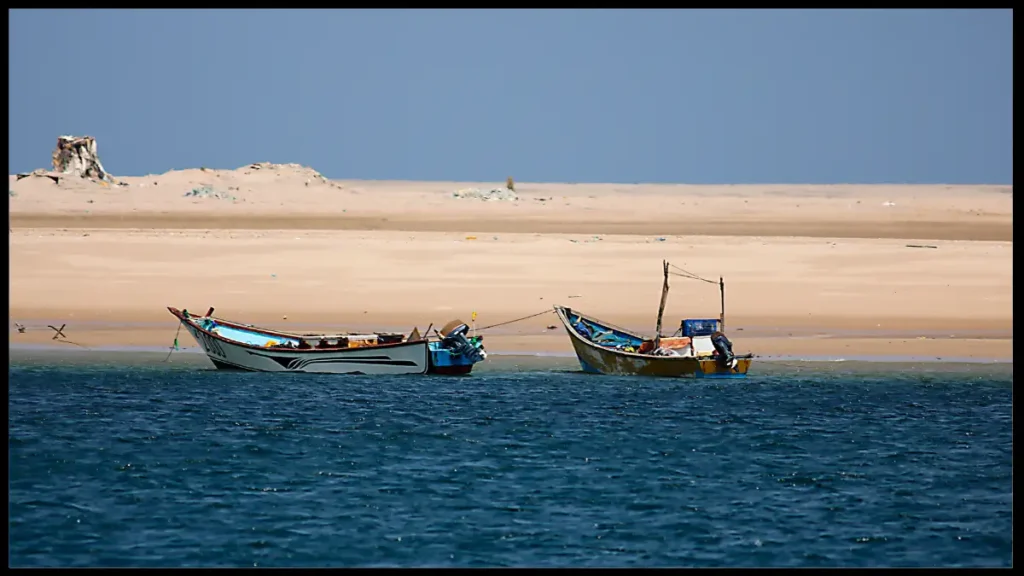
A chemical tanker was fired upon about 330 nautical miles east of Mogadishu on November 3. The master raised the alarm, increased speed, and the embarked armed team deterred the boarding. No injuries or damage were reported. Advisories point to a mother-ship and a four-person skiff. The event confirms a live threat window along the Arabian Sea and Gulf of Aden routes, with practical effects on routing, security posture, insurance, and schedule buffers.
Simple Summary in 30 Seconds
A tanker beat back a pirate attempt far off Somalia. The corridor is active again, so ships run faster, keep guards on board, and steer farther offshore. That adds cost and can slow schedules. If many ships do this, capacity tightens and spot rates can firm.
What changed
An attempted boarding was repelled east of Somalia; alerts for the Arabian Sea and Gulf of Aden remain active.
Cost and time impact
Guards, higher transit speed, and extra sea-room add OPEX and days. Prepared ships clear approvals faster.
Bottom line: keep guards and BMP-5, budget extra fuel and fees, and add a small schedule buffer through the risk box to avoid bigger disruptions.
Somali Basin Piracy Attempt Repelled: P&L Impact
Aspect
Summary
Business mechanics
Bottom-line effect
Incident recap
A chemical tanker reported small-arms fire and an attempted boarding ~330 nm east of Mogadishu. Alarm, speed-up, and onboard guards deterred the attackers. Authorities noted a skiff launched from a larger craft.
UKMTO alerting, naval monitoring, operator confirmation of response actions.
📉 No hull loss, but security posture stays high. 📈 Market reads a live risk corridor, supportive for spot when slowdowns stack up.
Routing and schedule buffers
Masters may add distance off the coast, favor daylight approaches, or adjust waypoints near the IRTC and Gulf of Aden approaches.
Speed-through zones, convoy timing, and extra sea-room planning add hours to days depending on risk posture.
📉 Extra steaming and waiting increase OPEX and can cut daily TCE if not compensated. 📈 If many ships slow, effective capacity tightens.
Security costs
Armed guards, citadel drills, barbed wire, and L/RAD or water-mist readiness become standard along the corridor.
Team day-rates, bunker uplift from higher RPM, small gear CAPEX, and training time.
📉 Higher voyage OPEX per transit. 📈 Some costs can be passed via piracy or security surcharges where contracts allow.
Insurance and finance
War-risk and K&R endorsements are scrutinized. Underwriters may ask for evidence of BMP-5 compliance and security vendor credentials.
Additional premiums and endorsements, bank LC conditions referencing route and security measures.
📉 Premium creep and documentation lead time. 📈 Prepared operators clear approvals faster and avoid delays.
Port state and terminal asks
Some terminals and charterers require voyage security plans, AIS explanations, and proof of guard accreditation before berth or laycan acceptance.
Pre-arrival questionnaires expand. More evidence requests on AIS continuity and any slow or loitering legs.
📉 Admin load and potential NOR timing risk. 📈 Clean paper trail reduces idle days.
Charter-party clauses
Pursue explicit security cost allocation, safe-route wording, and off-hire protection for piracy deviations.
Piracy clauses, deviation rights, surcharge pass-throughs, and evidence standards for claims.
📈 Margin protection if clauses are tight. 📉 Leakage where contracts are silent or vague.
Trend watch
Regional incidents rose in 2024 and into 2025, with naval forces reporting multiple interventions and alerts. The risk is episodic but persistent.
Threat level shifts with dhow hijacks, skiff activity, and force presence along Somali and Yemeni coasts.
📈 Short spikes can firm rates via delays. 📉 Prolonged risk raises structural costs on the corridor.
Notes: Effects vary by ship type, trade, insurer, and charter terms. Keep BMP-5, UKMTO reporting, and company security plans current.
Threat Pulse — What this attempt suggests
Modus operandi
Skiff launched from a larger mother vessel, small arms reported. Deterrence by speed-up and embarked team.
Operating box
Open ocean east of Somalia with reach into Arabian Sea approaches. Activity can shift with dhow hijacks and weather.
Defense signals
BMP-5 measures plus armed guards remain effective. Speed and distance from shore reduce boarding chance.
Voyage Drag — Relative cost and time effects
Driver
Relative drag
High-speed transit through risk box
Embarked security team costs
Extra sea-room off the coast
Convoy timing and reporting
Bars show directional impact. Actual values vary by speed policy, team composition, and routing choice.
Route Options — Risk and efficiency trade-offs
IRTC corridor transit
Well-traveled path with naval presence and reporting. Efficient but requires strict BMP-5 discipline.
Add modest time slack near risk box to avoid night approaches and coordinate with escorts if arranged.
Positive signals
Guards deterred boardingBMP-5 remains effectiveNaval reporting active
Negative signals
Mother-ship support observedWide-area reach into open oceanOPEX creep from speed and teams
Documents Often Requested for High-Risk Transits
BMP-5 compliance statementArmed guard accreditationVoyage security plan excerptAIS continuity explanationReporting chain to UKMTO/EUNAVFOREvidence of physical hardening
Vessel Profile — Sensitivities
Low freeboard hulls need extra hardeningSpeed capability is a key deterrentBridge team drills shorten response timeOT comms segregation helps resilience
This incident shows the corridor is active. Most operators will keep guards aboard, maintain speed through the box, and hold a little extra time in the schedule. Those steps increase costs per voyage, but they also reduce the chance of disruption and keep charters on track.