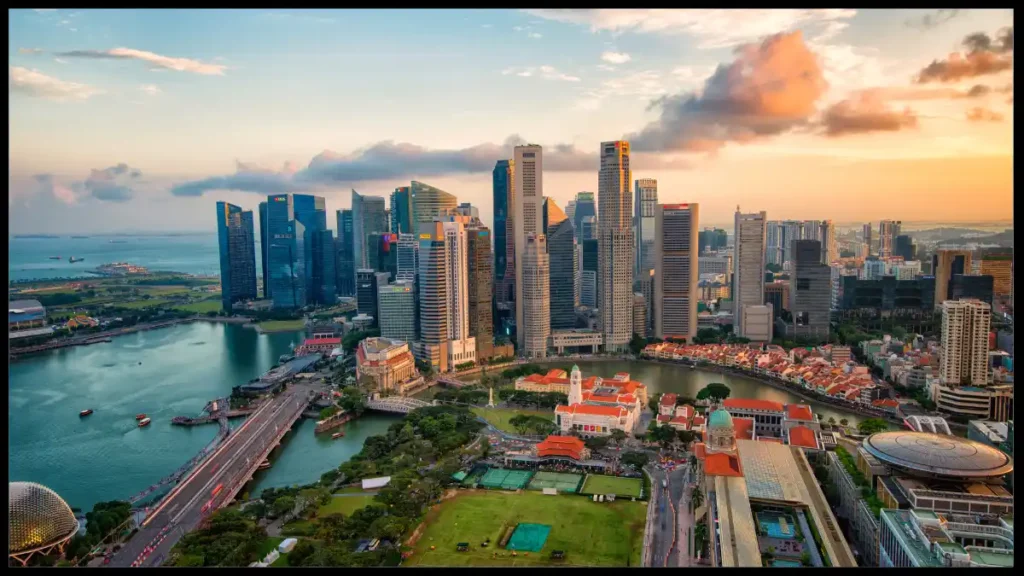
Singapore has appointed three licensed suppliers to start marine methanol bunkering from January 1, 2026, setting a firmer foundation for dual-fuel ships to lift in the world’s busiest refuelling port. The move follows successful trials and growing infrastructure work at the port, and it gives owners and charterers clearer visibility on fuel availability, barge readiness and documentation. Expect smoother employment for methanol-capable tonnage and a tilt in tender language toward verified methanol supply, even as price spreads and barge margins remain practical constraints in the near term.
Click here for 30 second summary
Simple Summary in 30 Seconds
Singapore confirms licensed methanol bunkering from 2026. That gives owners a dependable low-carbon fuel option at the world’s top bunkering hub, improves bankability for dual-fuel ships, and makes it easier for charterers to nominate methanol on Asia mainlines. Price spreads and supply at other hubs still matter for full-route planning.
⛽ What happened
Authorities named licensed methanol suppliers for multi-year service starting in 2026, supported by technical guidance for safe custody transfer.
💰 Cost and time impact
Less fuel uncertainty at a key call, smoother fixtures, and clearer documentation. OPEX depends on methanol versus VLSFO pricing and availability.
🧭 Market signal
Stronger case for methanol-capable ships on Asia routes, better support for financing and sustainability targets, and a tilt in charter preferences.
📋 What to track
Delivered methanol prices at Singapore, volumes and barge readiness, certification and chain-of-custody, coverage at secondary hubs on your network.
📌 Bottom line: With Singapore “on” for methanol in 2026, owners gain a practical fuel pathway at a major hub. The more routes add supply, the stronger the employment case for dual-fuel fleets.
Singapore locks in methanol suppliers for 2026 bunkering: Industry Impact
Story
Summary
Business Mechanics
Bottom-Line Effect
Three licensed suppliers named
Singapore has selected a trio of firms to supply marine methanol starting Jan 1, 2026 under multi-year licences, formalising availability at the hub and following earlier pilots and guidance. Public reporting identifies Global Energy Trading, Golden Island and PetroChina International (Singapore) among successful licensees. (MPA announcement covered by major trade press)
Supply licensing, safety and ops frameworks, confirmed barge providers.
📈 Stronger bankability for dual-fuel projects; 📈 clearer charter language on fuel options; 📉 less counterparty hesitation on Singapore calls.
Operational proof points
The port has already handled methanol and bio-methanol bunkering safely during commercial calls, including ship-to-ship refuelling alongside cargo ops, demonstrating readiness and playbooks for wider rollout.
📈 Lower perceived operational risk; 📉 fewer “trial only” caveats; 📈 faster internal approvals for charterers and financiers.
Barge capacity vs margins
2025 saw weaker bunker margins that led several suppliers to trim conventional barge fleets in Singapore. Methanol ramp-up will still progress, but operators will watch utilisation and spreads when deciding how fast to add or convert barges.
Barge leasing, conversion timelines, crew training, economics per tonne delivered.
📈 Priority access for early dual-fuel customers; 📉 possible short-term tightness at peaks; 📈 incentive for longer tenor supply deals.
Charter specs shift
As supply becomes predictable at Singapore, tenders can specify methanol-capable ships for key loops. Owners with compliant tanks, piping and crew training win shorter onboarding and fewer carve-outs.
Contract clauses for dual-fuel availability, fuel quality terms, bunkering windows.
📈 Better employability and TCE resilience for methanol-ready fleets; 📉 retrofit laggards risk being screened out on select trades.
Banking and P&I comfort
Licensed suppliers plus proven port procedures reduce execution risk for lenders and underwriters, supporting loan approvals and premium stability for dual-fuel assets that call Singapore regularly.
Evidence packs: licences, bunkering SOPs, safety records, training logs.
The value case still depends on methanol-to-VLSFO spreads and product grades available. Where pricing is favourable and bunkering slots are firm, operators can switch without schedule risk. When spreads widen, conventional fuel remains the fallback.
Term vs spot supply, grade selection, energy-adjusted cost per voyage day.
📈 Optionality supports uptime; 📉 cost swings still impact per-box or per-tonne economics.
Notes: Public reporting indicates three licensees selected by MPA to supply marine methanol from 2026. Earlier commercial bunkering demonstrations and safety guidance at Singapore underpin the rollout. Market margins and barge utilisation will influence near-term ramp speed.
What changes for owners at Singapore in 2026
What gets easier
Bankability improves. A named supply base supports term sheets and green-linked loans.
Fixing confidence rises. Charterers can nominate methanol at a reliable hub.
Voyage planning simplifies. One hub covers both bunkers and cargo ops on Asia strings.
What still hard
Global coverage remains patchy. You may still need conventional fuel on non-hub legs.
Price discovery evolves. Methanol indices and spreads to VLSFO will move around.
Specs and certification differ by supplier. Paperwork and audits still matter.
Voyage flow with a methanol-capable ship (Singapore call)
Before fixing
You can price a methanol bunker stem at Singapore with named suppliers. This supports cleaner clauses and gives lenders clearer fuel risk.
Port call
Mass-flow metering guidance and local TR for methanol help custody transfer. Simultaneous ops may be possible subject to terminal rules.
After sailing
Emissions reporting is cleaner. Charterers can point to a verified low-carbon fuel use on the mainline leg.
Singapore 2026 readiness
Supply licences
Three licensees named for five years starting 1 Jan 2026.
Standards & ops
Technical reference and MFM guidance support custody transfer.
Network coverage
Singapore is strong. Other hubs still scale up over time.
Charter shortlist tilt
Methanol-ready ships
Gain preference on Asia mainlines that touch Singapore and want lower scope numbers.
Transparent supply chains
Certificates and chain-of-custody evidence move fixtures faster.
Older conventional tonnage
Still competitive on trades without methanol access or price advantage.
Singapore’s decision to license three methanol suppliers from January 2026 gives owners and charterers a dependable fuel option at the world’s busiest bunkering hub. If volumes build as planned, dual-fuel ships gain clearer employment and financing routes while price and certification frameworks continue to settle.