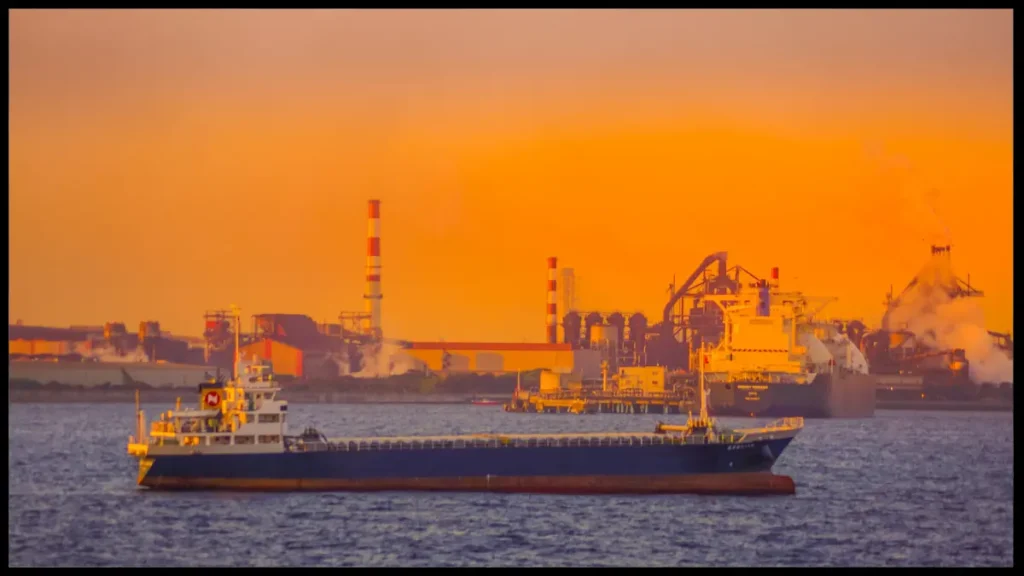
Washington rolled out a broad new sanctions package, hitting the logistics that move Iranian crude and LPG: more than fifty additional people, companies, and ships were designated, alongside a China-based crude terminal and an independent “teapot” refinery that U.S. officials say have been central in receiving Iranian barrels. Several VLCCs, MRs, an LR1, and multiple VLGCs were named. For shipping, that means longer KYC cycles, tougher insurance, fewer mainstream employment options for opaque tonnage—and, for compliant fleets, a nudge toward tighter utilization and firmer earnings as effective capacity comes off the market.
U.S. Sanctions Sweep — Industry Impact
Story
Impact
Business Mechanics
Bottom-Line Effect
New designations across people, companies & ships
Dozens added to sanctions lists including facilitators and named hulls tied to Iranian crude/LPG exports.
SDN listings trigger asset freezes and counterparty prohibitions for U.S. persons and many global banks/insurers.
📉 Employability of exposed tonnage falls; 📈 compliant fleets gain relative pricing power.
Named hulls span VLCC, MR, LR1 & VLGC segments
Removal of specific tankers and gas carriers from mainstream fixtures narrows available supply.
Banking/insurance hesitancy; arriving ships face enhanced screening
Rerouting to alternative ports; longer voyages and queuing lift tonne-miles
Lane Friction Gauge — Early Read (Qualitative)
Lane
Friction
Notes
Gulf → East Asia (crude)
High
Designation proximity drives refusals; alternative discharge points considered
Gulf → South Asia (crude)
Firm
Selective rerouting and longer ballast legs where counterparties tighten
Gulf → Asia (LPG)
Tight
Named VLGCs raise booking friction; mainstream VLGCs see steadier employment
Class Exposure Snapshot (Qualitative)
Class
Designation proximity
Market implication
VLCC
Moderate–High
Long-haul substitutions add tonne-days; compliant fleets gain share on mainstream charters
Suezmax/Aframax
Moderate
Regional diversions and STS chain scrutiny lengthen fixture cycles
MR/LR (products)
Medium
Clean trades avoid opaque tonnage; compliant supply tightened at the margin
VLGC (LPG)
High
Booking friction elevates; mainstream VLGC TCEs supported by steadier liftings
Enforcement Vectors — Where Friction Arises
Port State control checksBanking & trade finance gatewaysP&I cover conditionsTerminal acceptance policiesAIS/ownership trail audits
The latest designations don’t just remove a handful of ships from circulation; they add frictions at every choke point from finance to terminal gates. That combination may likely lift earnings for transparent fleets while raising costs and delays for counterparties near the web of sanctioned entities. How long the uplift lasts will hinge on enforcement follow-through and the pace at which trades reroute to lower-risk corridors.