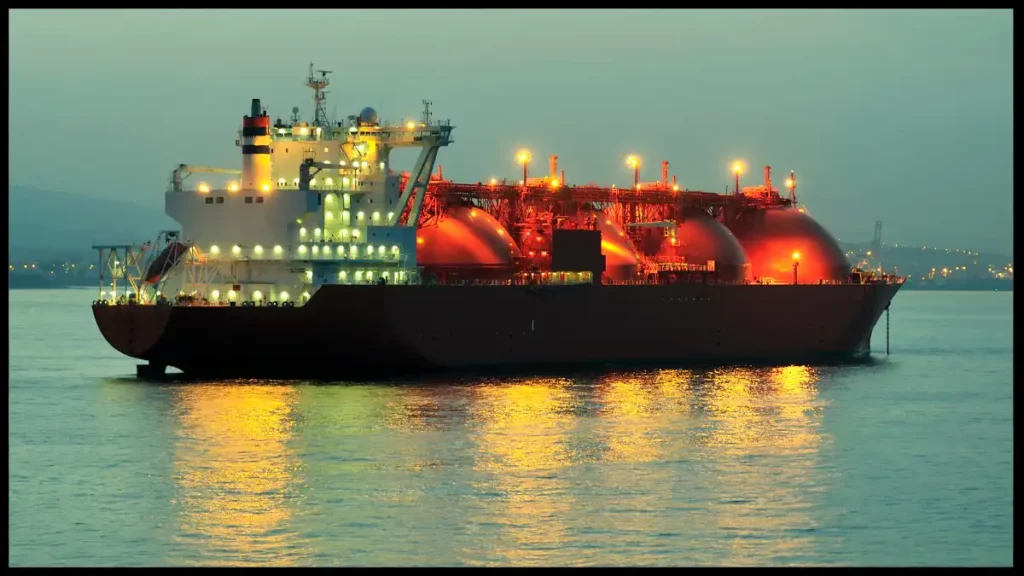
A packed week for shipping finance and operations. Fresh U.S. sanctions tighten the screws on Iranian energy trades while the roster of blacklisted vessels continues to swell. U.S. port fees for China-linked ships near go-live, creating a new cost line and paperwork burden. Offshore wind absorbs a high-profile vessel cancellation, LNG gets clarity after a major arbitration, and ExxonMobil commits to dedicated LNG bunker tonnage. Add a long-term terminal pact at Santos and a multibillion icebreaker build path, and you have a clear view of where money is made or lost in the months ahead.
Top Developments Impacting Maritime P&L - 10/10/25
Story
Impact
Business Mechanics
Bottom-Line Effect
US sanctions expand on Iran energy export network
Broader designations touch traders, fronts, and named vessels. Screening tightens and chartering windows lengthen.
Banks and P&I step up KYC. Some units go dark or exit mainstream markets. Cargoes shift routes and counterparties.
📈 Effective capacity falls on affected lanes, supporting compliant tanker earnings. 📉 Admin and delay costs rise for exposed trades.
US port fees for China-linked ships near start date
Operators bear liability and pre-arrival payment. Documentation burden increases and rotations are reconsidered.
New surcharges flow into contracts. Some services reassign hulls or ports of call to minimize exposure.
📉 Voyage margins pressured where costs cannot be passed through. 📈 Relative advantage for exempt fleets.
Offshore wind: $475m WTIV order terminated
Large capex item removed from a thin builder market. Yard revenue at risk, subcontractors exposed.
Contract terms and remedies drive cash flow. Vessel supply outlook tightens for some projects if schedules hold.
📉 Near-term hit to the builder and vendors. ↔ Project developers may face higher future day rates if WTIV supply tightens.
LNG: arbitration outcome favors offtaker
Contract enforcement signals firmer expectations on liftings from US export facilities.
Cargo programs stabilize and slot planning improves. Counterparty risk premia recalibrated.
📈 Voyage visibility improves for LNG carriers tied to these volumes. ↔ Legal costs fade compared with operational certainty.
US–Finland path for up to 11 icebreakers
Multi-year build queue for hulls and systems. Work scopes spread across design and heavy industry.
Financing and deliveries phase over several years. Industrial spillovers to suppliers and yards.
📈 Orderbook and jobs grow for participating yards. ↔ Limited direct effect on commercial freight rates near term.
ExxonMobil commits to LNG bunkering vessels
Credible supplier adds dedicated tonnage and timetable for service entry.
Fuel logistics de-risked at select hubs. Dual-fuel fleet utilization improves as supply becomes predictable.
📈 Opex certainty for LNG-capable ships. ↔ Pricing dynamics shift as competition deepens.
Sanctioned vessel roster keeps growing
Overhang of blacklisted units complicates fixture choices and financing channels.
📈 Rate support on compliant fleets. 📉 Higher due-diligence costs and occasional diversion delays for all parties.
Ten-year terminal pact at Santos
Throughput and berth windows secured at Brazil’s largest container hub.
Contracted volume supports equipment and labor planning. Network reliability on ECSA strings improves.
📈 Terminal revenue visibility rises. 📈 Steadier service for carriers and cargo moving via South America East Coast.
Notes: Items reflect publicly reported developments. Effects vary by trade lane, fleet mix, contract cover, and financing terms.
📈 Winners
📉 Losers
Compliant crude/product tanker owners: expanded Iran-related sanctions and larger blacklists remove “gray” capacity and support earnings on mainstream trades.
Operators with non-China-linked tonnage on U.S. routes: relative cost advantage as port fees land on exposed calls; easier billing/compliance posture.
Existing WTIV owners and alternative builders: a canceled $475m unit tightens forward supply, buoying utilization and prospective day rates for delivered assets.
LNG carriers tied to restored contract liftings: arbitration clarity improves cargo programs and voyage visibility.
Shipyards & suppliers in the U.S.–Finland icebreaker pipeline: multi-year orderbooks, systems work, and employment tailwinds.
DP World Santos & long-term ECSA services: decade-long throughput visibility and steadier berth windows aid planning and asset turns.
Shadow/opaque fleets and sanctioned counterparties: greater screening friction, financing hurdles, higher insurance adders, and idle time.
China-linked vessels calling U.S. ports: recurring per-call fee outlays and heavier documentation burdens squeeze voyage margins if not passed through.
Seatrium and WTIV supply chain tied to the canceled build: revenue loss, utilization gaps, and potential dispute costs.
Counterparties on the losing side of LNG contract disputes: diminished flexibility to defer cargoes; reputational and commercial knock-on effects.
Ports/services positioned to sell “workarounds” to U.S. fee exposure: fewer lucrative detours or re-flags if operators secure compliant hulls.
Owners reliant on gray-area fixtures for employment: shrinking mainstream acceptance narrows charter options and depresses TCEs net of risk costs.
Hull assignments & documentation determine liability; some re-flags/re-deployments expected
Transatlantic Europe → U.S.
Low–Moderate
Smaller share of exposed hulls; admin burden still present for operators
Gulf & Caribbean trades
Variable
Operator portfolios differ; mixed exposure across feeders/mainlines
WTIV Market Glance — After a High-Profile Cancellation
Orderbook concentration remains high; each cancellation shifts day-rate expectations for late-decade projects
Subcontractors (jackets, cranes, power electronics) face utilization gaps if replacement contracts lag
Project schedulers may revisit installation windows and charter cover for 2027–2029
Contract Enforcement Pulse (LNG)
Fuel Logistics Build-Out (LNG)
Arbitration outcome clarifies lift obligations, stabilizing shipping programs tied to U.S. export capacity
Voyage visibility ↑Counterparty risk premia reset
Dedicated bunker vessels slated to enter service mid/late-decade, anchoring supply at select hubs
Dual-fuel fleet utilization ↑Supply certainty at hubs
Santos — Long-Horizon Volume Signal
Brazil’s largest container hub10-year carrier-terminal pactBerth-window predictabilityEquipment/labor planning clarity
Icebreaker Build — Program Phases
Phase
Activities
Economic read-through
Design & Long-Lead
Systems integration, steel orders, propulsion/ice-class package selection
Suppliers’ orderbooks fill; advance payments flow
Hull & Outfitting
Block fabrication, machinery installation, trials
Peak yard employment; milestone receipts to builders
Delivery & Sustainment
Sea trials, acceptance, lifecycle support
Aftermarket services open multi-year revenue stream
Compliance & Financing — Friction Signals
Higher documentation precision around U.S. fee applicability and vessel provenance
Expanded sanctions lists tighten insurer appetite and bank screening thresholds
Fixture cycles lengthen when counterparties require enhanced assurance
Recent developments in maritime leans toward tighter compliance and clearer long-horizon commitments. Sanctions and fee regimes raise the cost of opacity while LNG decisions and long-term port and shipbuilding deals firm up planning assumptions. Where policy and contracts add certainty, capital follows; where enforcement bites, rates and delays do the talking.