Ras Laffan Hit Hard as Qatar Confirms Years of Lost LNG Capacity
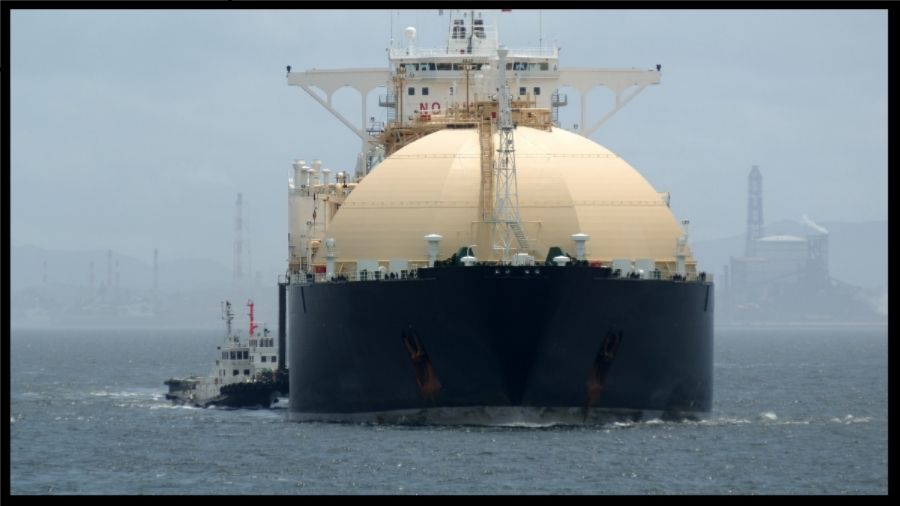
Qatar has confirmed that missile attacks on Ras Laffan Industrial City caused severe damage to two LNG trains and one gas-to-liquids facility, cutting about 17% of the country’s LNG export capacity and leaving part of the complex facing a repair window of roughly three to five years. QatarEnergy said the damaged LNG trains account for 12.8 million tonnes per annum of production and that the scale of the disruption will force declarations of force majeure on some long-term LNG contracts. The company has also said the damage extends beyond LNG, with lower output expected in condensate, LPG, helium, and petrochemicals, while the wider North Field expansion timetable could also be pushed back. The confirmed outage comes from Ras Laffan, the world’s largest LNG export hub, and immediately places long-term supply, shipping deployment, cargo allocation, and replacement sourcing under new pressure across both Atlantic and Pacific LNG trade flows.
Subscribe to the Ship Universe Weekly Newsletter
Click here for 30 second summary of the full piece ▶
Ras Laffan shifts from outage story to multi-year capacity story
Qatar has confirmed that two LNG trains at Ras Laffan suffered severe damage and will be out for a long repair period, cutting about 17% of the country’s LNG export capacity. The issue is no longer just an interruption. It is now a multi-year loss of liquefaction capacity tied to one of the most important LNG supply hubs in the world.
- Plant damage: two LNG trains and one GTL facility were badly damaged, with repairs expected to take roughly three to five years.
- Cargo effect: force majeure risk is now directly linked to long-term LNG contracts and replacement cargo sourcing.
- Shipping result: vessel deployment, ballast planning, and freight assumptions all shift when missing volumes are measured in years rather than weeks.
This is now a structural LNG supply and shipping event. A long repair window at Ras Laffan means the market must plan around missing Qatari volumes, not simply wait for a quick restart.
| Impact lane | Confirmed development | Immediate owner and charterer effect | Freight and cargo transmission | Terminal and portfolio consequence | Next read-through |
|---|---|---|---|---|---|
| Two LNG trains damaged |
Qatar has confirmed that two LNG trains at Ras Laffan were severely damaged and are expected to remain offline for years.
Capacity destruction
|
Owners and charterers lose confidence in previously stable Qatari loading assumptions and must begin planning around missing cargo programs rather than delayed cargo programs. | Missing Qatari volumes tighten replacement demand elsewhere, shifting vessel demand and ballast positioning as cargoes are sourced from alternative basins. | Portfolio sellers and long-term buyers move from routine scheduling to allocation and substitution mode, especially where contract obligations remain fixed but plant output no longer is. | The key market question becomes how much Atlantic and Pacific replacement tonnage can be mobilized without a major freight repricing. |
| Long repair window |
QatarEnergy has indicated that repairs could take roughly three to five years.
Structural outage
|
This removes the usual assumption of a near-term restart and forces multi-year planning across chartering, contracts, and fleet deployment. | Freight markets react differently to long outages than to short interruptions because vessel cycles, project cargo planning, and replacement contracting all change. | Buyers and sellers may rework supply ladders over multiple seasons rather than simply bridge a few disrupted cargoes. | The longer the outage looks, the more likely it is that shipping patterns reset rather than temporarily distort. |
| Force majeure risk |
QatarEnergy has said the damage will compel force majeure declarations on some long-term LNG contracts.
Contract stress
|
Contracted buyers must secure substitute supply or reoptimize demand, while ship operators face less certainty around loading sequences that would normally look very stable. | Freight support can strengthen when replacement cargoes come from longer-haul origins than Qatar, increasing tonne-mile demand even if absolute LNG supply falls. | Contract portfolios become more exposed to destination flexibility, diversion options, and buyer tolerance for timing changes. | The next signals to watch are which buyers are affected first and how much substitution comes from the U.S., Australia, or other flexible exporters. |
| Wider product impact |
The damage also reaches GTL and is expected to reduce output of condensate, LPG, helium, and petrochemicals.
Broader export complex stress
|
The disruption is no longer limited to LNG carriers. Other gas-linked cargo and energy-related shipping segments can also feel the strain. | Supply chains linked to feedstocks and industrial gases become more vulnerable as export balances tighten across several product streams at once. | Ras Laffan’s role as a multi-product export cluster means operational stress can spread beyond LNG loading into a wider industrial-city effect. | The more product categories remain constrained, the harder it becomes for the system to normalize around one repaired asset alone. |
| Expansion delay risk |
QatarEnergy has warned that the North Field expansion timetable could also be pushed back.
Future supply hit
|
This adds a second layer of stress because the market may lose not only current output but also expected future growth timing. | Shipping demand forecasts for new LNG output may need to be revised if additional trains arrive later than planned. | Buyers, lenders, and shipowners all have to reassess timelines that were built around Qatar’s expansion staying on schedule. | A delay to new capacity would extend the market impact beyond outage management and into future fleet and supply planning. |
This model estimates the shipping and procurement pressure created when long-term LNG capacity disappears from a major export hub. It combines lost annual volume, repair duration, replacement distance, extra freight per cargo, and substitute supply premium to show how a multi-year outage can reshape cargo economics and vessel demand.
We welcome your feedback, suggestions, corrections, and ideas for enhancements. Please click here to get in touch.