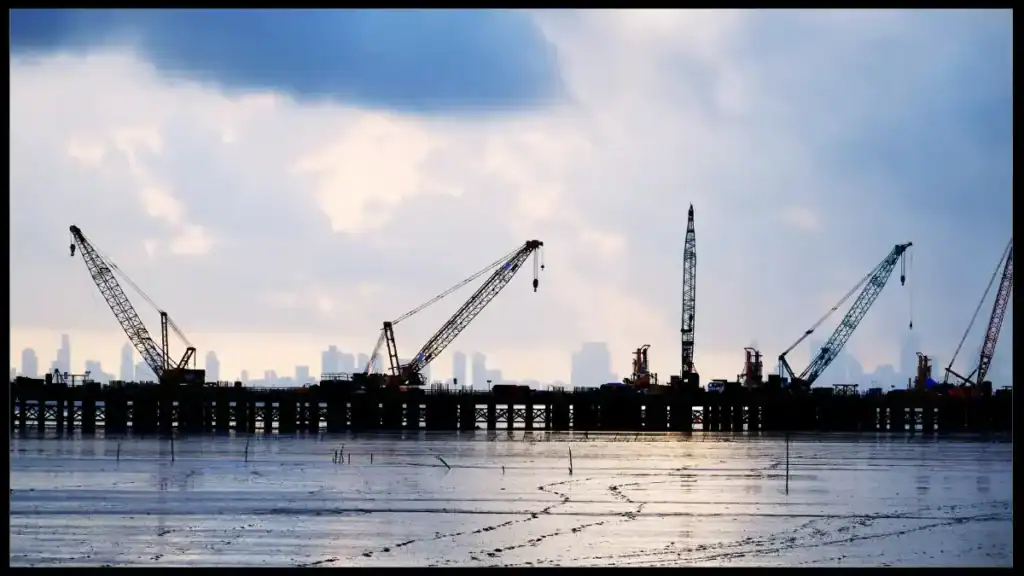
PSA’s Bharat Mumbai Container Terminals (PSA Mumbai) has inaugurated Phase 2 at JNPA (Nhava Sheva), doubling annual capacity to about 4.8 million TEU and extending the quay to 2,000 m of continuous berth, enough to work multiple mega-ships at once. The opening was marked on September 4, 2025 with remarks from India’s Prime Minister Narendra Modi and Singapore’s Prime Minister Lawrence Wong. The project, built via a PPP with roughly US$1.3 bn committed, adds deep-draft berths, a large yard footprint (≈200 ha), rail sidings, and additional crane capacity, positioning the terminal to lift throughput and sharpen schedule reliability on India trades.
PSA Mumbai Phase 2 — Commercial Readout
Item
What Happened & Who’s Affected
Infrastructure & Ops Detail
Bottom-Line Effect
Commissioning
Phase 2 inaugurated at PSA Mumbai (JNPA), positioning it as India’s largest container terminal by annual handling capacity.
Capacity ≈ 4.8 m TEU/yr; continuous quay length ≈ 2,000 m; deep-draft berths for mega-ships.
📈 Higher berth availability and parallel ship working → fewer delays and improved schedule integrity for carriers and shippers.
Equipment & Yard
Terminal adds yard and crane capacity to support higher moves and rail connectivity.
≈200 ha yard; up to 24 STS cranes and ~72 RTGs across phases; multiple RMGCs; six rail sidings (per operator/official briefings).
📈 Faster turnarounds and better landside flow; 📉 reduced dwell and trucking idle time where rail is used.
Vessel Sizes
Built to berth and work multiple large container ships simultaneously.
Design supports mega-ships (18k-TEU class) with deep-draft access and extended quay frontage.
📈 Economies of scale on India calls; potential for fewer, fuller services and improved box slot economics.
Network Effects
Mainline carriers can consolidate calls; feeders and ICD/rail operators adjust rotations around higher gateway throughput.
Nearby terminals lacking upgrades: competitive disadvantage on berth availability and crane productivity.
Shippers tied to less efficient gateways: relative cost position weakens versus those routing via Mumbai.
Note: Assessment reflects the likely distribution of benefits and pressures from PSA Mumbai’s Phase 2 expansion, based on operator releases and reputable trade press reports.
How PSA Mumbai’s Expansion Ripples Through the Trade
We’ve been watching this development and it’s not just about bigger berths and more cranes. It’s about how the entire South Asia trade matrix shifts when a gateway like Mumbai doubles its capacity. Here’s what stands out to us:
We see competitive pressure mounting on secondary ports that now risk losing volume as carriers consolidate calls at a larger hub.
Shippers and BCOs gain leverage from faster turns and steadier supply chains, which can reshape procurement strategies.
Feeder networks get recalibrated some will benefit from higher utilization, others will face redundancy if services reroute.
Rail and inland logistics take center stage, with expanded sidings pulling some share away from trucking-only corridors.
Secondary Impact of PSA Mumbai’s Phase 2
Theme
Emerging Shift
Stakeholders Affected
Bottom-Line Angle
Feeder Realignment
Carriers consolidate calls at PSA Mumbai, changing feeder rotations and capacity distribution.
📈 Lower inland cost for rail users; 📉 trucking margins eroded on some routes.
Customs & Clearance
Bigger yard footprint and upgraded interfaces pressure customs to streamline processing.
Shippers, BCOs, freight forwarders.
📈 Lower dwell and fewer penalties if clearance improves; ↔ bottlenecks persist if not addressed.
Regional Competitiveness
Neighboring ports may lose calls as Mumbai consolidates hub status.
Secondary ports, regional governments, investors.
📉 Volume leakage at rival terminals; 📈 potential uplift in asset values around Mumbai logistics parks.
Global Carrier Strategy
Liners can now up-gauge vessels and adjust alliance schedules to optimize tonnage.
Mainline carriers, alliances, lessors.
📈 Economies of scale reduce slot cost; 📉 exposure rises for operators locked into smaller ships.
Note: These shifts reflect likely secondary effects of PSA Mumbai’s Phase 2 expansion, based on operator announcements, port data, and reputable trade reporting.