PSA Singapore and MOL Launch Dedicated RoRo Terminal Joint Venture in Singapore
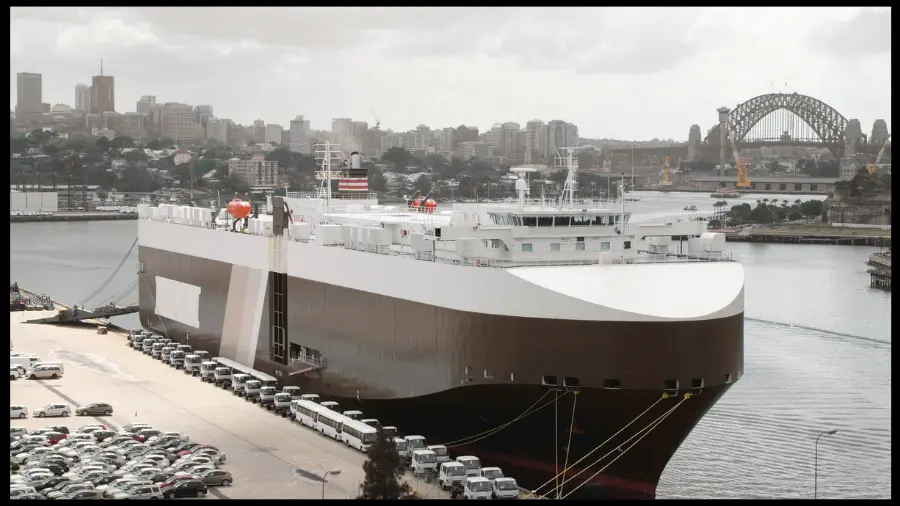
PSA Singapore and Mitsui O.S.K. Lines (MOL) have announced a joint venture to run a RoRo terminal in Singapore, aimed at locking in dedicated terminal capacity and improving operating reliability for MOL’s vehicle logistics flows. The JV is subject to regulatory approval and is expected to start operations in the first half of 2026, with the partners also pointing to collaboration on operational optimization, digital work, and sustainability initiatives alongside terminal operations.
Subscribe to the Ship Universe Weekly Newsletter
Click here for 30 second summary
PSA Singapore and MOL RoRo terminal JV in one read
PSA Singapore and MOL announced the formation of a joint venture to establish a RoRo terminal in Singapore, positioned around automobile transhipment. The JV is subject to regulatory approval and is expected to commence operations in the first half of 2026.
- Core purpose
Improve terminal service reliability and operational efficiency for MOL’s RoRo services while securing long term terminal capacity. - Why Singapore
Singapore is framed as a regional automotive transhipment hub connecting Asia to major global markets with multiple onward connections. - Beyond the terminal
The partners also cite collaboration on operational optimisation, digital innovation, and sustainability leadership.
Dedicated terminal capacity in a major hub is a direct reliability lever for vehicle logistics, because berth access and yard availability are often the constraint during surge periods.
| Fast reader take | Locked in | Start window and gating | Port and lane impact | Closest stakeholders |
|---|---|---|---|---|
| Dedicated terminal access |
A joint venture RoRo terminal in Singapore, positioned to secure long term capacity for MOL’s vehicle flows.
Stated goal is reliability and operating efficiency for RoRo services.
|
Expected to commence operations in the first half of 2026, subject to regulatory approval. | Dedicated access can reduce peak period congestion risk and tighten schedule integrity for transshipment vehicle flows. | Car carrier operators, OEM logistics teams, forwarders moving finished vehicles, and terminal planners. |
| Hub positioning | Singapore is framed as a key regional gateway with strong onward connectivity for vehicles transiting from source to market. | Regulatory approval is the main near term dependency before operations begin. | Higher confidence in berth and yard availability can influence port choice in multi call itineraries. | Network planners balancing Singapore versus nearby vehicle hubs and overflow options. |
| Operational quality focus | Partners highlight a push for higher operating quality and synergy in global automobile logistics. | Launch timing in 2026 creates a clear planning marker for seasonal allocation and contract cycles. | Reliability improvements often show up first as smoother yard turns, shorter dwell variability, and fewer last minute reschedules. | PCTC chartering desks, ro ro liner service teams, and shippers sensitive to delivery windows. |
| Broader collaboration track | Beyond terminal operations, the partners cite three workstreams: operational optimization, digital innovation, and sustainability leadership. | These initiatives can be implemented progressively alongside terminal ramp up. | Digital process alignment can reduce handoff friction across booking, gate processes, and documentation touchpoints. | Cargo owners and logistics providers that value visibility and predictable handoffs. |
| Competitive signal | A carrier aligned terminal structure typically signals intent to protect service quality during demand spikes. | Initial operating phase is likely the key proof point for cadence and throughput resilience. | Dedicated capacity can pull volume into a more stable operating pattern, affecting rivals’ overflow and peak season options. | Competing terminals, regional port authorities, and car carrier alliances evaluating hub strategy. |
Enter values and click Calculate.
A dedicated JV terminal structure in a major transhipment hub is a direct capacity and reliability signal for RoRo flows, especially during seasonal surges when berth access and yard availability become the limiting variables.
We welcome your feedback, suggestions, corrections, and ideas for enhancements. Please click here to get in touch.