Primorsk and Ust-Luga Go Dark After Ukrainian Drone Strikes
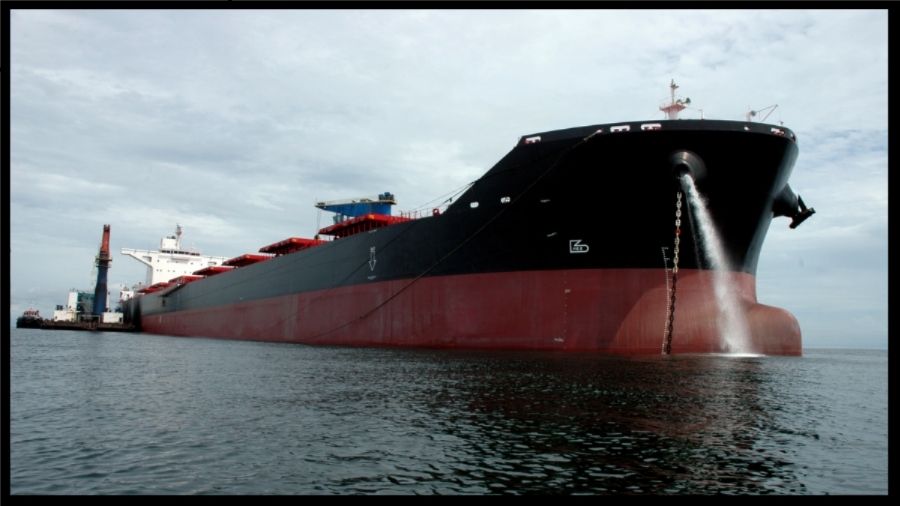
Russia’s two main Baltic petroleum export outlets, Primorsk and Ust-Luga, suspended crude oil and fuel exports from Sunday after drone attacks, according to industry-source reporting published on March 23. Primorsk, where regional officials said several fuel reservoirs were set on fire, is a major outlet for Urals crude and diesel and can handle more than 1 million barrels per day, while Ust-Luga handles around 700,000 barrels per day of oil exports and also shipped 32.9 million metric tons of oil products last year. The disruption follows earlier attacks and weather-related export problems across Russia’s western system, and comes with Russia’s Black Sea outlet at Novorossiysk already under pressure from storms and drone-related delays this month.
Subscribe to the Ship Universe Weekly Newsletter
Click here for 30 second summary of the full piece ▶
Russia’s two main Baltic petroleum outlets have both been knocked offline
Industry-source reporting published on March 23 says Primorsk and Ust-Luga suspended crude oil and fuel exports from Sunday after drone attacks. In Primorsk, regional officials said several fuel reservoirs were set on fire. Primorsk can export more than 1 million barrels per day and Ust-Luga handles around 700,000 barrels per day of oil exports, making this a disruption to the center of Russia’s western petroleum export system rather than a peripheral terminal incident.
- Two-port hit: both Primorsk and Ust-Luga were reported to have halted crude and fuel exports.
- Primorsk fire: local officials said several fuel reservoirs were set ablaze after the drone attack.
- System context: Russia’s western export network was already under strain from earlier drone-related and weather-related disruption at Novorossiysk.
| Port or issue | Confirmed development | Scale | Operational effect | Signals to watch next |
|---|---|---|---|---|
| Primorsk |
Exports of crude and fuel were reported suspended after drone attacks, while the governor of the Leningrad region said several fuel reservoirs in Primorsk were set ablaze.
Primorsk is Russia’s largest Baltic crude outlet and a major loading point for Urals crude and diesel.
Direct hit and halt
|
More than 1 million barrels per day of crude export capacity. | Cargo loading schedules, berth availability, tank operations, and tanker line-up discipline all come under immediate pressure when reservoir fires and export suspension overlap. | Fire-control progress, terminal restart timing, tanker queue formation, and whether loadings resume partially or remain fully halted. |
| Ust-Luga |
Exports were also reported suspended after the same wave of attacks, although immediate damage at the port was not clear in early reporting.
The lack of confirmed visible damage does not prevent operations from being halted when the surrounding risk picture is unstable.
Halted despite uncertainty
|
Around 700,000 barrels per day of oil exports; 32.9 million metric tons of oil products exported last year. | Even without clearly identified infrastructure loss, a stop at Ust-Luga tightens export optionality and reduces Russia’s ability to rebalance westbound flows. | Clarification on terminal condition, pump and storage status, and whether crude and product streams restart together or separately. |
| Combined Baltic effect |
The two ports together are Russia’s largest western petroleum export outlets, making simultaneous disruption unusually important for both crude and refined products.
This is a system-level export interruption, not just a local fire event.
Dual-port shock
|
A combined western outlet base measured in the high hundreds of thousands to well above 1.5 million barrels per day. | Export flows can no longer rely on normal Baltic dispatch, forcing Russia to lean harder on remaining western and eastern nodes if available. | Whether Russia diverts volumes toward Novorossiysk, Kozmino, STS chains, or revised loading plans later this month. |
| Wider western-port strain |
Reuters reported earlier this month that Novorossiysk had already been hit by severe weather and frequent drone attacks, with delays of up to ten days affecting oil export operations.
That means the Baltic disruption lands on top of a western system already under stress.
No easy relief valve
|
Western port loadings had already been projected lower in March. | The normal backup logic becomes weaker when the main Black Sea alternative is already constrained by weather and prior attacks. | Revised March export plans, tanker waiting times, and whether Russia cuts output or deepens logistical workarounds. |
| Historical repeat pattern |
Primorsk had also seen interrupted oil loadings after an attack in September, showing this is not the first time Ukraine has affected the Baltic export chain.
Repeated disruption changes the planning horizon for traders, operators, and insurers.
Recurring vulnerability
|
Earlier attacks had already shown loading interruptions at Primorsk. | Market participants may treat Baltic terminal risk less as a temporary anomaly and more as a persistent operating condition. | Insurance behavior, charter-party adjustments, and greater use of indirect routing or ship-to-ship logistics. |
A Baltic export shock becomes more severe when several things happen at once: large volumes go offline, the outage lasts beyond a brief pause, fallback ports are already stressed, and tanker logistics cannot easily absorb the detour. This tool turns that logic into a practical shipping stress read.
Primorsk and Ust-Luga matter because they are not peripheral ports. They sit at the heart of Russia’s western crude and products export system.
If Novorossiysk or other alternatives are already facing weather, attack, or scheduling friction, the market loses room to rebalance.
Cargo delays, tanker waiting time, revised programs, and greater use of STS or indirect routing can all follow even before a long outage is confirmed.
We welcome your feedback, suggestions, corrections, and ideas for enhancements. Please click here to get in touch.