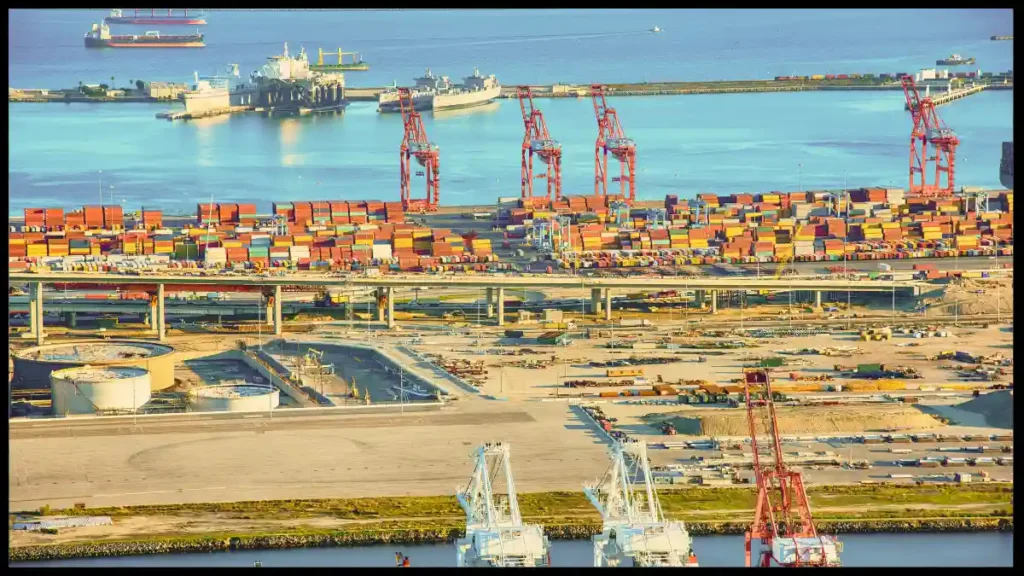
The two busiest U.S. container ports have agreed with Southern California air regulators on a binding roadmap to plan and build zero-emissions infrastructure. The air district approved the deal on Nov 7, the Long Beach board backed it a few days later, and Los Angeles votes next. The pact sets dated planning milestones through 2029, adds enforcement if deadlines slip, and runs alongside state at-berth rules that already require shore-power or equivalent controls for key ship types. For operators and terminals, the cost curve now depends on power availability, equipment rollout, and how quickly incentives line up with compliance.
Click here for 30 second summary
In late 2025 the Ports of Los Angeles and Long Beach agreed with regional air regulators on a binding plan to deliver zero-emissions infrastructure. The pact sets dated milestones through the late 2020s, adds enforcement if progress slips, and runs alongside California at-berth rules that already require many ships to plug into shore power. The near term focus is shore-power readiness, terminal equipment plans, drayage turnover, and grid upgrades that unlock charging and connections.
🚨 What changed
A formal accord locks the ports into planning and reporting for zero-emissions moves. There are penalties for missed milestones and a pause on new local rulemaking while the plan is executed. One port board has approved and the other is finalizing its vote.
🔌 What it covers
Shore power at berth, cargo-handling equipment roadmaps, harbor craft and rail coordination, and zero-emissions drayage targets. California at-berth rules continue to apply to container, reefer and cruise ships, with additional categories phased in.
💰 Cost and timing
Capex is front-loaded for vessel retrofits, berth connections and charger fields. Operating costs depend on electricity tariffs and plug-in performance. Early projects secure utility capacity and incentives, while laggards risk fees, delays and weaker berth priority.
📌 Bottom line: LA and Long Beach are moving from targets to dated delivery. Owners that assign plug-in-ready ships and tighten charter wording will protect margins. Terminals that lock in grid upgrades and equipment plans early will avoid bottlenecks and capture incentives.
Ports of Los Angeles & Long Beach binding zero-emissions accord: Industry Impact
Item
Summary
Business Mechanics
Bottom-Line Effect
What was approved
Air district board okayed a binding cooperation deal with the ports to deliver zero-emissions infrastructure plans and progress checks. Long Beach board approved; Los Angeles vote is pending.
Agreement covers infrastructure plans for trucks, cargo handling equipment, harbor craft, rail and ships, plus reporting and verification.
Fines of roughly $50k to $200k per violation fund near-port projects. Air district pauses new port rules for five years while the pact runs. A 45-day termination clause exists.
Penalties escalate if plans slip. Pause reduces immediate rule uncertainty but progress is audited annually.
📈 Short-term regulatory stability; 📉 monetary downside if milestones miss.
Planning phases and dates
Three phases culminate in approved plans for all equipment categories by end-2029. Draft plan targeted around mid-2027.
Staged design lets terminals queue projects and align with utility upgrades and grants.
📈 Smoother capex pacing; 📉 long lead items need early purchase to avoid bottlenecks.
At-berth compliance today
California’s 2020 at-berth rule already requires container, reefer and cruise vessels to control emissions at berth. In 2025, tankers at LA/LB and auto carriers statewide also fall under the rule.
Use shore power or a CARB-approved strategy. Terminal connection points and ship hardware readiness drive readiness.
📈 Ships and terminals that are shore-power ready avoid delays; 📉 retrofits and non-compliance fees raise voyage OPEX.
Terminal equipment target
San Pedro Bay Clean Air Action Plan aims for zero-emissions cargo-handling equipment by 2030.
Electrification or hydrogen solutions, charger layout, and duty-cycle matching are central.
📉 Significant capex and commissioning time; 📈 long-run fuel and maintenance savings possible.
Drayage trucks target
Zero-emissions drayage by 2035 remains the policy goal, supported by Clean Truck Fund revenue and incentive programs.
Fleet turnover paced by charger and fueling buildout, purchase incentives and total cost of ownership.
📉 Higher near-term truck capex; 📈 reduced emissions fees and potential operating savings later in cycle.
Power and grid readiness
Large new electric loads require substation and distribution upgrades, with different utilities on each side of the complex.
Sequencing with utilities is a critical path item for charger fields and shore-power expansion.
📉 Risk of schedule friction if power lags; 📈 early utility MOUs de-risk timelines.
“CAAP Plus” for ships
Parties plan additional measures focused on cleaner oceangoing vessels, including Environmental Ship Index incentives, with work slated to wrap up in 2026.
Financial incentives nudge cleaner calls and higher plug-in rates where shore power exists.
📈 Potential tariff or incentive upside for compliant fleets; 📉 less room for non-plug-in callers.
Chartering and rotations
Lines may favor shore-power-capable ships on LA/LB strings. Non-ready ships could be assigned elsewhere or incur mitigation costs.
Contract clauses may add plug-in warranties, downtime allowances, and penalties.
📈 Better slot economics for compliant tonnage; 📉 tighter windows and higher risk pricing for non-ready vessels.
What to monitor
Los Angeles commission vote, phase calendars, utility buildout schedules, grant awards, and any revisions to at-berth compliance guidance.
Annual progress reports and penalty actions will signal whether pacing is realistic.
📈 Early movers can secure grid capacity and incentives; 📉 late movers risk higher costs and delays.
Notes: Details reflect public reporting and agency documents. Exact phase calendars and project lists will be finalized during the port–agency planning process.
LA and Long Beach Zero Emissions Accord
What a compliant call looks like, where costs land, and how fast plans move
Shore power, terminal equipment, drayage and grid are the four drivers. Milestones are phased through the late 2020s with enforcement if progress slips.
Shore power at berth
Container, reefer and cruise ships use shore power or approved controls today on covered calls.
Tankers at LA and LB and auto carriers statewide are added to the rule set in 2025 style programs.
Higher plug in rates need both vessel hardware and berth connection availability by window.
Readiness signal
Cargo handling equipment
Clean Air Action Plan targets zero emissions yard gear by 2030 on a phased basis.
Charger fields, transformer upgrades and duty cycle fit are the cost and schedule gatekeepers.
Hydrogen options are evaluated where duty cycles are difficult for battery only use.
Capex intensity
Drayage and yard gates
Policy target keeps zero emissions drayage by 2035 with near term purchase and fueling incentives.
Charger access behind the gate and along corridors paces fleet turnover.
Total cost of ownership depends on electricity tariffs and duty cycle matches.
Infrastructure maturity
Where costs land on a typical LA/LB call
Shore power hook up
Connection, energy use, testing
Vessel hardware
Onboard gear, cable management, certification
Terminal upgrades
Berth connections, switchgear, load planning
Grid and demand charges
Substations, feeder capacity, tariff structure
📈 Supportive signals
Regulatory clarity allows owners to assign shore power ready ships to LA/LB strings and reduce delay risk at berth.
Incentive programs and port indexes reward lower emission callers and higher plug in rates.
Modern fleets capture better slot economics and contract terms where plug in performance is guaranteed.
📉 Headwinds
Upfront retrofit cost and verification time can push non ready ships off the rotation or add idle days.
Grid capacity or tariff delays can stall charger fields and increase operating cost variability.
Penalties or make good obligations apply if milestones or plug in targets are missed.
Milestones to watch
At berth compliance checks rampAnnual progress reports and auditsDraft integrated infrastructure plan mid decadeCategory plans approved before 2030
For the ship
Shore power hardware tested and certified for the connection standard used at the assigned berth.
Plug in procedures and crew drills documented for the port call window.
Charter party includes plug in warranties and penalties for failure to connect when required.
For the terminal
Berth has available connection, load plan and verified breaker capacity for the vessel class.
Charger fields for yard tractors and top handlers sequenced to avoid power bottlenecks.
Reporting is ready for annual audits under the accord and related state rules.
In plain terms, the LA and Long Beach agreement locks in a plan to expand shore power use and build zero emissions capability across terminals and drayage. For shipowners, the near term priority is assigning plug in ready ships to this gateway and tightening charter wording so power connection and any penalties are clear. For terminals, the long pole is grid and charger buildout, which sets the pace for yard equipment turnover. The overall effect is higher capex and some operating complexity now, with a path to more predictable calls and lower emissions costs once the power and equipment are in place.