Panama Canal Turns the Corner: FY2025 Transits and Revenue Rebound After Drought
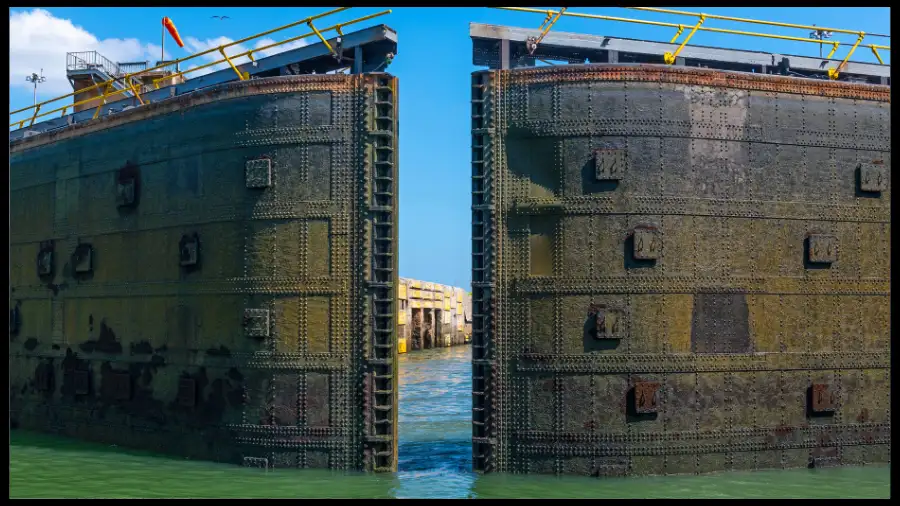

After the 2023 to 2024 drought disrupted schedules and forced operating limits, the Panama Canal closed fiscal year 2025 with a clear rebound in both vessel traffic and financial results. The Canal Authority reported higher transits, higher cargo tonnage, and higher total revenues, supported by improved water conditions and stronger performance in key segments such as containers and LPG, while LNG volumes lagged expectations.
Click here for 30 second summary
Panama Canal’s FY2025 rebound in one read
The Panama Canal reported a recovery year in FY2025 after the drought-disrupted period, with higher traffic and stronger financial results. Transits increased to 13,404 (up 19.3%) and cargo tonnage rose to 489.1 million CP/SUAB tons (up 15.6%), while total revenues were reported at about $5.7 billion (up 14.4%). The Canal cited containers and LPG as major contributors, while noting LNG came in below expectations.
-
The numbers that matter
Higher transits and higher tonnage combined with improved operating conditions drove the year’s rebound. -
Where strength showed up
Containers and LPG were highlighted as key positives, while bulk was described as continuing its recovery. -
The soft spot
LNG underperformance was flagged by the Canal as a drag versus expectations during the year.
FY2025 marks a measurable step back toward normal canal operations, with improved throughput translating into stronger reported revenue and profit as longer-run water capacity and competitiveness investments move into focus for 2026 and beyond.
| Panama Canal Drought Recovery: FY2025 traffic and revenue rebound | |||
| Item | Summary | Business mechanics | Bottom-line effect |
|---|---|---|---|
| FY2025 revenue outcome | Total revenues reported at about $5.7 billion for FY2025, up 14.4% year on year (preliminary, unaudited). | Higher volumes and mix supported total intake after the prior year’s drought restrictions constrained operations. | 📈 A stronger top line reinforces route availability versus drought period uncertainty and supports future operating resilience. |
| Net profit and budget result | Net profit reported at B/. 4.134 billion, above budget by B/. 372 million, and higher than FY2024’s reported net profit. | A stronger year increases flexibility to fund maintenance, reliability, and water security related investments. | 📈 Higher profitability improves financial headroom as the Canal transitions from drought response to longer-term resilience planning. |
| Transits rebound | Total transits rose to 13,404, up 19.3% year on year for the 12 months ending September 30, 2025. | More available slots and improved water conditions increased throughput and reduced constraint-driven rationing. | 📈 More predictable passage availability supports schedule planning and reduces forced re-routing pressure. |
| Panamax vs Neopanamax mix | FY2025 reported 3,342 Neopanamax transits and 10,062 Panamax transits. | Lane mix signals which vessel classes regained access as conditions normalized. | 📈 Broader lane usability increases network optionality across vessel sizes and cargo programs. |
| Tonnage recovery | Total tonnage reported at 489.1 million CP/SUAB tons, up 15.6% from FY2024. | Higher throughput and stronger loading profiles translate into improved toll economics and slot utilization. | 📈 Higher tonnage supports revenue durability and reduces reliance on drought-era light-load workarounds. |
| Segment drivers | Containers and LPG were cited as key drivers; bulk continued recovering; LNG underperformed expectations. | Different segments respond differently to freight spreads, draft limits, and alternative routing costs. | 📈 Strength in containers and LPG supports baseline demand. 📉 LNG softness limits upside in a premium segment. |
| Draft and water conditions | FY2025 reporting referenced recovered lake levels and the ability to maintain a 50-foot draft through the year. | Draft reliability reduces forced light-loading and supports more consistent slot usage. | 📈 Reliability improves voyage planning and reduces hidden costs associated with restrictions. |
| Revenue mechanics noted | The Canal referenced at least B/. 100 million from frontloading and contributions from its LoTSA long-term slot allocation program. | Allocation and timing mechanisms can stabilize revenues and manage demand across segments. | 📈 More structured access and booking can reduce volatility during demand swings or segment weakness. |
| Treasury contribution | The Canal Administration reported a transfer of $2.965 billion to Panama’s National Treasury for FY2025-related contributions. | Strong fiscal outcomes reinforce the Canal’s economic role domestically. | 📈 Financial strength can support long-horizon planning and investment continuity. |
| 2026 investment framing | Canal leadership pointed to planned investments beginning in 2026 to strengthen water capacity and route competitiveness. | Water security and capacity resilience are being positioned as core operating requirements. | 📈 Resilience investment focus supports long-run reliability and reduces the likelihood of recurring restriction cycles. |
| Notes: Figures above are from the Panama Canal Authority’s FY2025 preliminary, unaudited disclosures and related reporting. Fiscal year referenced is the 12 months ending September 30, 2025. Commercial impact varies by segment, vessel class, toll structure, and seasonal water conditions. | |||
FY2025 headline scoreboard
Recovery momentum chart (percent change vs FY2024)
Lane mix: volume vs weight tells two different stories
In FY2025, Panamax made up most transits by count, while Neopanamax carried a slightly larger share of tonnage, highlighting why both lanes remain central to canal economics.
What moved the FY2025 result: segment pulse
Looking past FY2025: investment and logistics developments on the record
ACP framed FY2025 as positioning the canal for investments beginning in 2026 aimed at strengthening water capacity and competitiveness. Reuters later reported additional planning details discussed by the Canal’s administrator, including a competitive process for two new ports targeted for 2029, the Rio Indio reservoir project referenced with a 2031 timeline, and interest in a proposed LPG pipeline in the canal zone with a 2030 inauguration target.
The Panama Canal’s FY2025 results show a clear operational and financial rebound from the drought-disrupted period, with higher transits and higher tonnage translating into stronger revenue and reported profit. Officials attributed the year’s gains largely to containers and LPG, while noting that LNG performed below expectations, and highlighted supplemental revenue support from frontloading and long-term slot allocation. With the canal also pointing to investments beginning in 2026 to bolster water capacity and competitiveness, the FY2025 recovery sets the context for a new phase focused on resilience and broader logistics development.
We welcome your feedback, suggestions, corrections, and ideas for enhancements. Please click here to get in touch.